Chinese astilbe 'Pumila' in November: monthly care
Month-by-month care — Astilbe chinensis 'Pumila'
In November your chinese astilbe 'Pumila' needs attention: prune.
- Prune
What to do this November
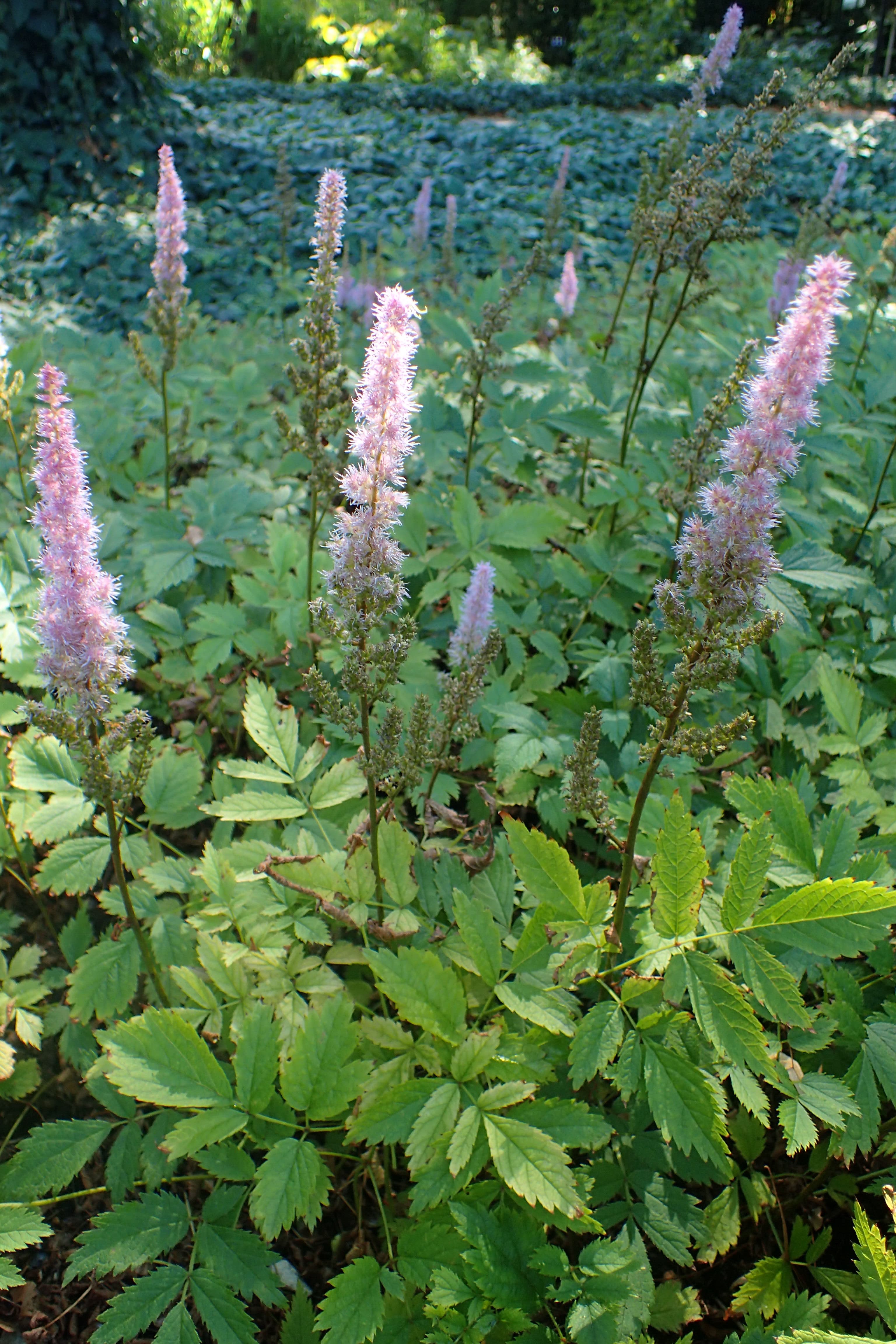
Astilbe chinensis 'Pumila' requires very little pruning, but a couple of seasonal tidy-ups will keep it looking its best and support vigorous growth. The main pruning window falls in March or November, and the approach differs slightly depending on when you choose to act. In November, after flowering has finished and the foliage begins to die back, you can cut the spent flower spikes down to the base if you prefer a tidy winter garden. However, many gardeners leave the dried plumes standing through winter—they provide structure, catch frost beautifully, and offer some shelter for beneficial insects. If you take this route, delay the main cutback until March, just as new growth begins to emerge at the base. In early March, use secateurs or garden shears to remove all the old, dead foliage and flower stems, cutting right down to ground level. This clears the way for fresh shoots and prevents any overwintering pests or fungal spores from lingering on decaying material. Be careful not to damage the emerging crowns as you work. Astilbe chinensis 'Pumila' does not require shaping, thinning, or rejuvenation pruning in the way shrubs do. Deadheading during the flowering season is optional; removing faded blooms won't encourage a second flush, as astilbes flower once in late summer. If clumps become congested after several years and flowering diminishes, lift and divide them in early spring rather than pruning—split the crown with a spade or knife, replant vigorous sections, and discard woody centres.