Caring for Chinese astilbe 'Pumila'
Complete guide — Astilbe chinensis 'Pumila'
chinese astilbe 'Pumila' needs low maintenance, a position in partial shade or full shade on loam / clay soil and moderate.
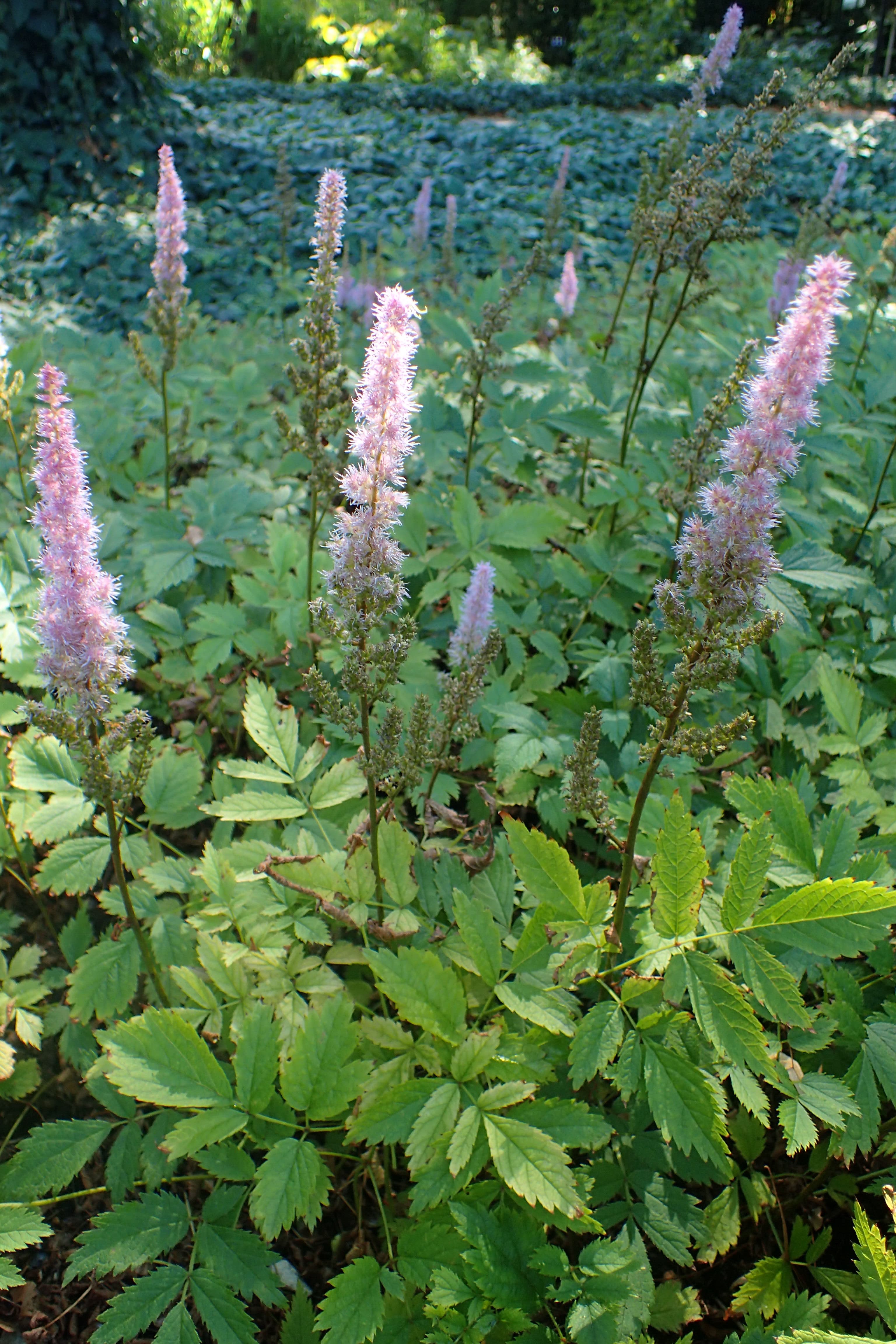
Position
partial shade, full shade
loam, clay soil
moderate
Feeding
Feed in March, April and May.
Year-round care
Astilbe chinensis 'Pumila' is low-maintenance once established, but consistent moisture is the key to success. Water regularly during dry spells, especially from late spring through summer when the plant is in active growth and flowering. The soil should remain evenly moist but not waterlogged; clay and loam soils help, but even these can dry out in prolonged heat. In autumn and winter, natural rainfall is usually sufficient, though newly planted specimens may need occasional watering if conditions are unusually dry. Feed in March, April, or May with a balanced general-purpose fertiliser or a slow-release granular feed sprinkled around the base of the plant. A spring mulch of well-rotted compost or manure serves double duty, feeding the soil and locking in moisture. Avoid high-nitrogen feeds later in the season, as these promote soft growth at the expense of flowers. Refresh the mulch layer each spring, maintaining a 5 cm depth of organic material around (but not touching) the crown. This suppresses weeds, keeps roots cool, and reduces watering frequency during summer. Astilbe chinensis 'Pumila' is hardy to zone 4 and needs no special winter protection in temperate Europe. The crown is fully frost-tolerant, though a mulch layer offers extra insulation in exposed sites. Pests are rarely a problem, but vine weevil larvae can occasionally damage roots in container-grown plants. Powdery mildew may appear on foliage if the soil dries out repeatedly; maintaining consistent moisture and good air circulation around clumps minimises this risk. Slugs sometimes nibble emerging shoots in spring—use organic pellets or barriers if damage is severe.


