Caring for Japanese primrose
Complete guide — Primula japonica
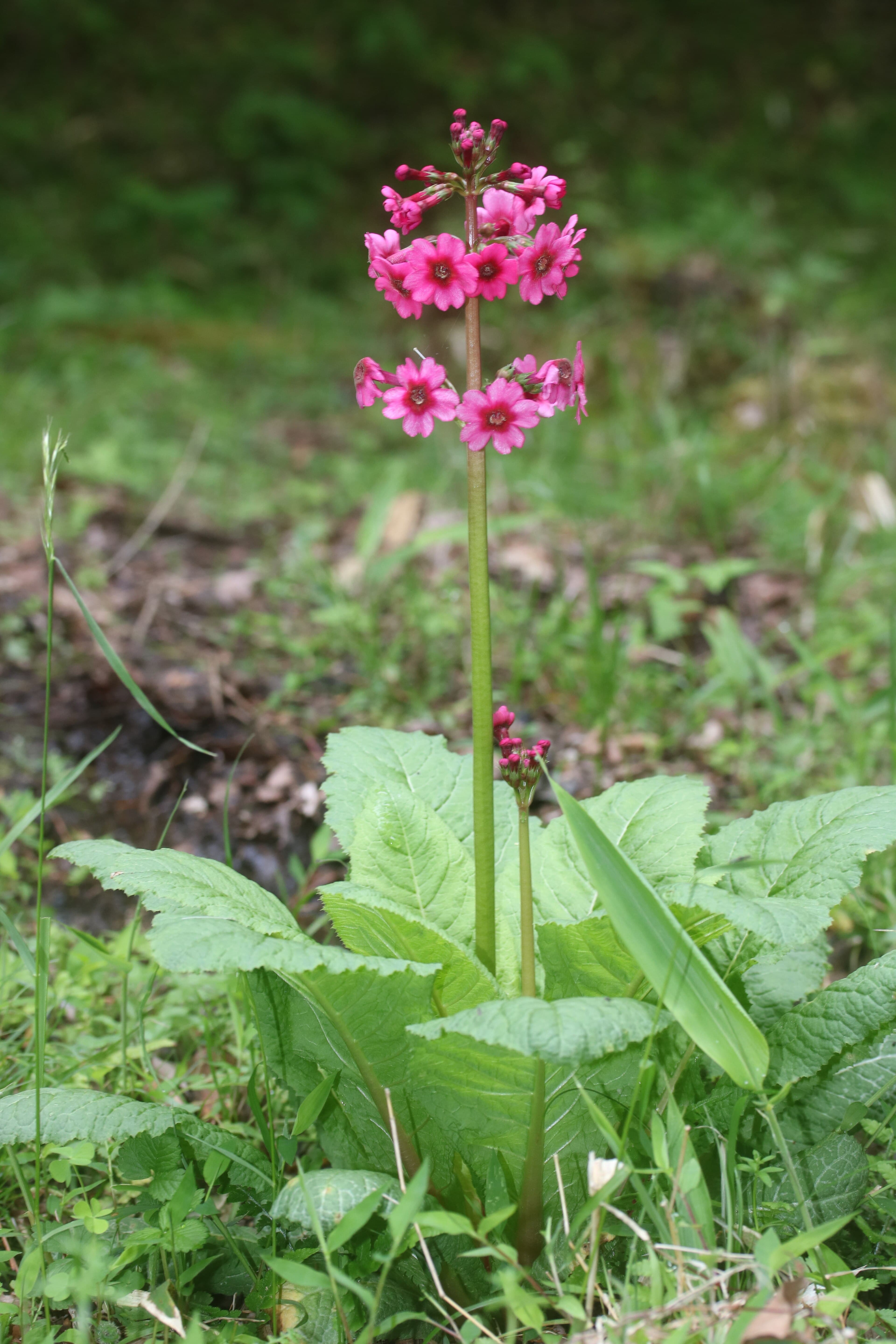
japanese primrose needs moderate maintenance, a position in partial shade or full shade on loam / clay soil / peat soil and high water needs.
Position
partial shade, full shade
loam, clay soil, peat soil
high water needs
Feeding
Feed in March, April and May.
Year-round care
Japanese primrose has high water needs and will not tolerate dry soil at any time of year. Water regularly from spring through autumn, especially during dry spells, ensuring the soil remains consistently moist but not waterlogged. In summer, check the soil every few days; plants growing in full sun or lighter soils will need more frequent watering. In winter, natural rainfall is usually sufficient, but water during prolonged dry periods if the ground isn't frozen. Feed in March, April, and May to support strong growth and abundant flowering. Apply a balanced liquid fertiliser every three to four weeks, or scatter a slow-release granular feed around the base of the plant in early spring. Avoid high-nitrogen feeds, which promote leaf growth at the expense of flowers. A spring mulch of well-rotted compost or leaf mould will also provide gentle, steady nutrition. Japanese primrose is hardy in zones 5–8 and requires no special winter protection in temperate Europe. The crown may die back partially in harsh winters but will regenerate in spring. Ensure good drainage to prevent waterlogging and crown rot during wet winters, though the soil must still remain moist. Slugs and snails are the main pests, particularly in spring when new leaves emerge. Check regularly and use organic pellets, copper tape, or hand-pick in the evening. Vine weevil larvae can damage roots; look for notched leaf edges as a sign of adult activity. Primrose can suffer from grey mould (botrytis) in damp, poorly ventilated conditions—remove affected leaves promptly and thin overcrowded clumps every three to four years by division in early spring or autumn.


