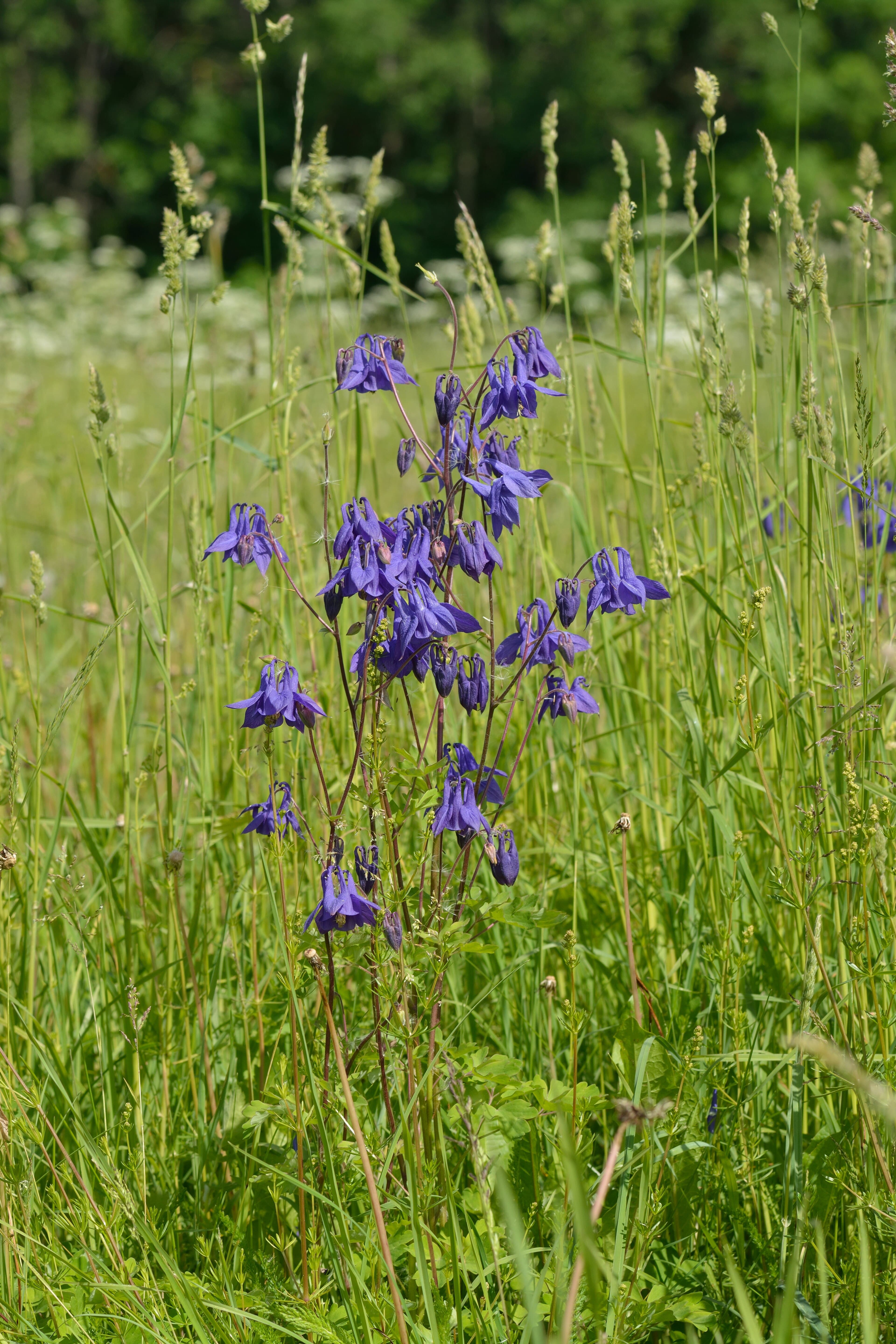
Columbine 'Nora Barlow'
Aquilegia vulgaris 'Nora Barlow'
Dutch: Akelei 'Nora Barlow'
Akelei 'Nora Barlow' (Aquilegia vulgaris 'Nora Barlow') is a native to the Netherlands perennial from the Ranunculaceae family that grows up to 80cm tall. This plant thrives in partial shade to full sun and requires low maintenance. Blooms in late spring and early summer with pink, white flowers and attracts bees and butterflies.
60–80 cm
30–45 cm
partial shade, full sun
moderate
loam, clay soil
low maintenance
late spring, early summer
pink, white
Ecologische waarde
Verzorgingskalender
| Taak | Jan | Feb | Mrt | Apr | Mei | Jun | Jul | Aug | Sep | Okt | Nov | Dec |
|---|---|---|---|---|---|---|---|---|---|---|---|---|
| 🌱Planten | ||||||||||||
| ✂️Snoeien | ||||||||||||
| 💧Bemesten |
Care tips
Planting
Aquilegia vulgaris 'Nora Barlow' thrives in partial shade or full sun, though in warmer spots some afternoon shade helps prevent scorching and prolongs flowering. Choose a position with loam or clay soil that retains moisture without becoming waterlogged. The plant tolerates heavier soils well, making it a good choice for gardens with clay. Prepare the soil by digging in well-rotted compost or manure to improve structure and fertility, especially if your soil is heavy clay. This also aids drainage while maintaining the moderate moisture levels aquilegias prefer. Plant 'Nora Barlow' in March, April, September, or October when the soil is workable and temperatures are mild. Spring planting allows the plant to establish before summer, while autumn planting gives roots time to settle before winter dormancy. Set young plants at the same depth they were growing in their pots, spacing them 35 cm apart to allow for their mature spread of 30–45 cm. If sowing seed, scatter thinly on the surface and barely cover, as aquilegia seed needs light to germinate. Sow in pots in early spring or directly outdoors in late spring, though named varieties like 'Nora Barlow' may not come true from seed. Water thoroughly after planting to settle soil around the roots and eliminate air pockets. Apply a 5 cm layer of organic mulch such as compost or leaf mould around the base, keeping it clear of the crown to prevent rot. This conserves moisture and suppresses weeds while the plant establishes. In dry spells during the first growing season, water regularly until the root system is well developed.
Pruning
Aquilegia 'Nora Barlow' doesn't require pruning in the traditional sense, but timely deadheading and cutting back will keep the plant tidy and encourage better performance. The main task comes in July and August, after the late spring and early summer flowering period has finished. Once the distinctive double pompom flowers fade and begin to look untidy, cut the entire flowering stem back to the base, just above the mound of foliage. Use clean, sharp secateurs to make neat cuts. This prevents the plant from putting energy into seed production and often stimulates a modest second flush of foliage growth. If you want 'Nora Barlow' to self-seed around the garden, leave a few spent flowerheads in place, though be aware that seedlings from this cultivar rarely replicate the parent's double pink-and-white blooms and usually revert to simpler forms. By late summer or early autumn, the foliage may look tired and tatty, especially if mildew has taken hold. At this point you can cut back all the old leaves to ground level. Fresh basal foliage will often emerge in autumn and persist through winter in milder areas, giving the plant a head start in spring. If the foliage remains healthy and green, you can leave it in place until late winter and tidy up just before new growth begins in early spring. Remove any damaged, diseased, or yellowing leaves throughout the growing season to maintain plant health and appearance. Aquilegias are generally short-lived perennials, lasting three to five years, so allow some self-seeding to ensure continuity in your borders.
Maintenance
Aquilegia 'Nora Barlow' has moderate water needs and performs best with consistent moisture, especially during spring growth and flowering. Water regularly during dry spells in late spring and early summer, aiming to keep the soil evenly moist but not saturated. Clay and loam soils retain moisture well, so check before watering to avoid overwatering. In autumn and winter, natural rainfall is usually sufficient, and the plant is fully hardy to zone 3, requiring no winter protection in temperate European gardens. Feed in March and April as new growth emerges. Apply a balanced granular fertiliser such as blood, fish and bone or a general-purpose feed like Growmore around the base of the plant, following packet instructions. Alternatively, top-dress with a 3 cm layer of well-rotted compost or manure, which feeds the soil and improves moisture retention. Avoid high-nitrogen feeds, which promote lush foliage at the expense of flowers. Refresh mulch annually in spring, maintaining a 5 cm layer of organic matter around the plant to suppress weeds and conserve moisture. Keep mulch away from the crown to prevent rot. Powdery mildew is the most common problem, particularly in dry conditions or crowded plantings. It appears as white powdery patches on leaves, usually after flowering. Improve air circulation, water at the base rather than overhead, and remove affected foliage promptly. Aphids occasionally cluster on young shoots and flower buds; squash by hand or spray with soapy water. Leaf miners create pale winding trails in the foliage but rarely cause serious harm—simply remove affected leaves. Aquilegia sawfly caterpillars can strip foliage rapidly in late spring; inspect regularly and pick off by hand if seen.
More about this plant
Combines well with
Related guides
Columbine 'Nora Barlow' in your garden design?
Make a free garden design with AI advice. Our AI knows Columbine 'Nora Barlow' and 130+ other plants.
Start free design