Common juniper in May: monthly care
Month-by-month care — Juniperus communis
In May your common juniper needs attention: watch the bloom.
- Blooms
What to do this May
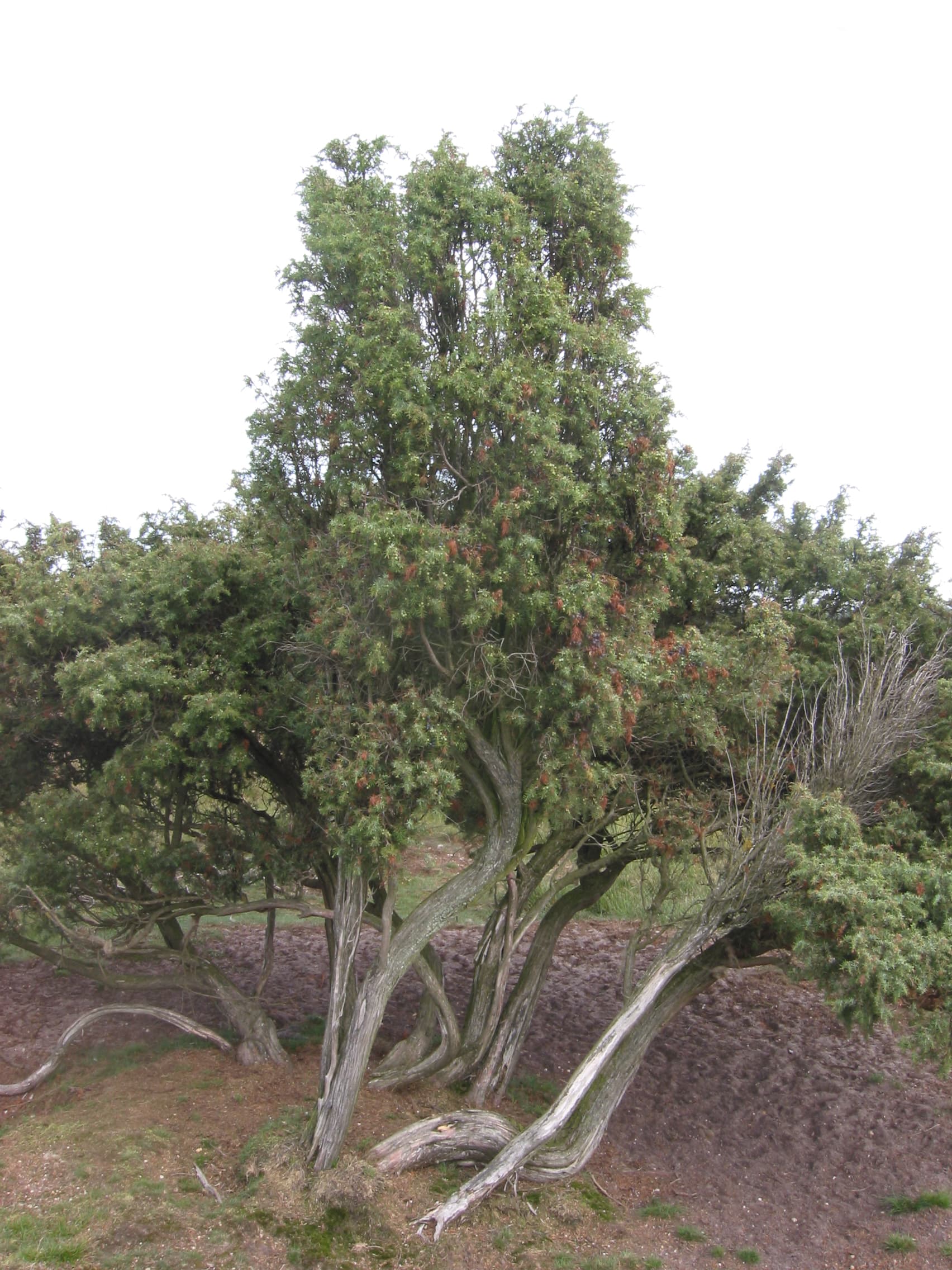
Once established, common juniper is remarkably undemanding. It has low water needs and tolerates drought well, so you'll only need to water during prolonged dry spells in the first year or two. Mature plants rarely require watering except in extreme conditions. Overwatering or poor drainage is far more harmful than underwatering and can lead to root rot. Feed sparingly in March with a slow-release general-purpose fertiliser or a light scattering of blood, fish, and bone around the root zone. Junipers are adapted to poor soils and excessive feeding encourages lush growth that's prone to disease and winter damage. One feed per year is sufficient; more is counterproductive. Common juniper is fully hardy across temperate Europe (zones 2–8) and needs no winter protection. Being evergreen, it provides year-round structure and interest. Refresh the mulch layer every couple of years to suppress weeds and conserve moisture, keeping it clear of the stem. Pests are uncommon, but watch for juniper aphids in spring and early summer; a strong jet of water usually dislodges them, or use an insecticidal soap if numbers are high. The main disease risk is Phytophthora root rot in poorly drained soil—prevention through good site selection is key. Occasionally, you may see browning foliage caused by juniper scale insects; treat with a winter wash or horticultural oil. Remove and bin any branches affected by fungal dieback promptly to prevent spread. Overall, common juniper is a low-maintenance, resilient evergreen that rewards neglect better than fussing.