Coneflower 'Hot Papaya' in November: monthly care
Month-by-month care — Echinacea 'Hot Papaya'
In November your coneflower 'Hot Papaya' needs attention: prune.
- Prune
What to do this November
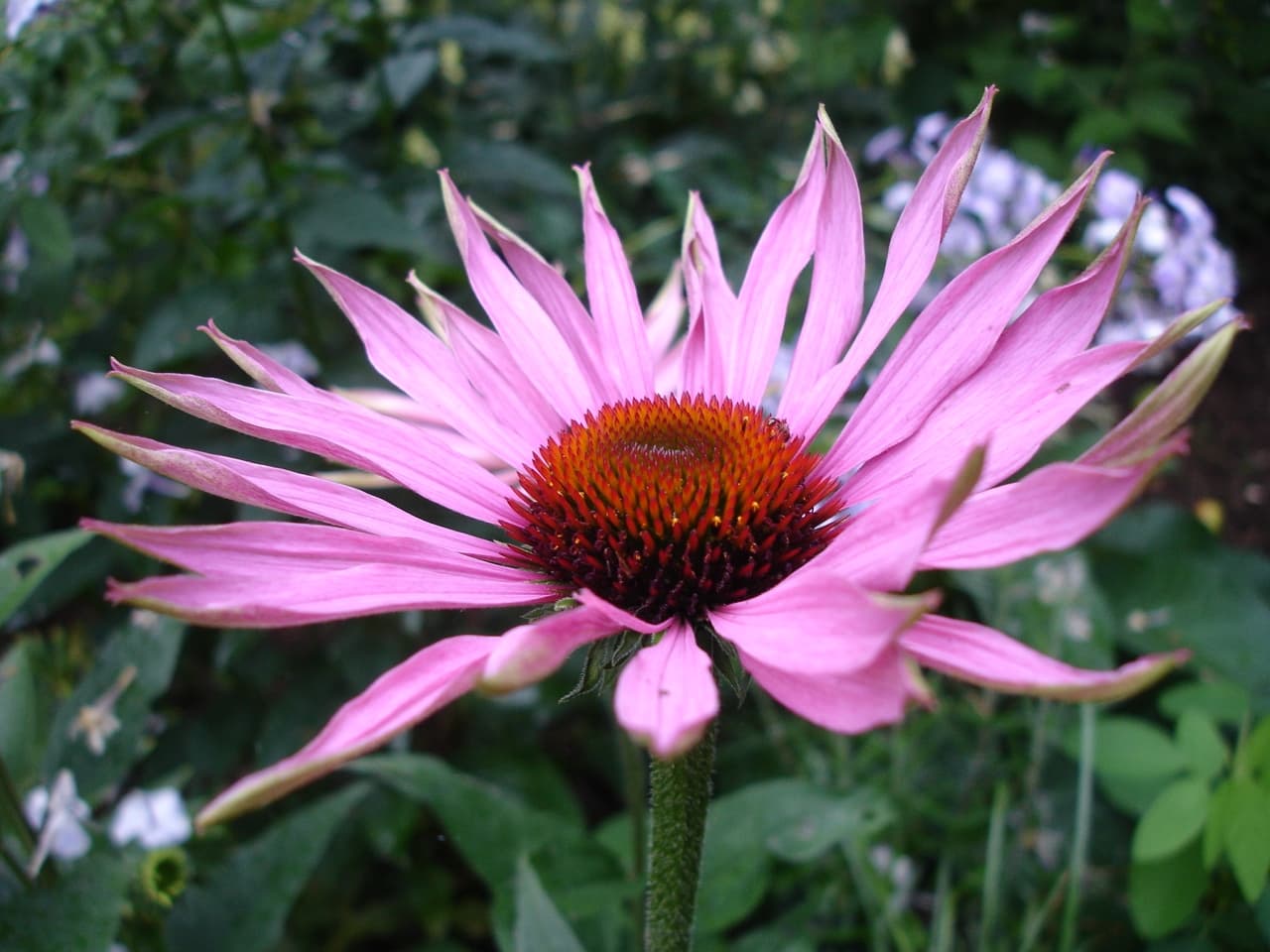
Echinacea 'Hot Papaya' requires minimal pruning, but a little attention at the right times keeps plants tidy and vigorous. The main pruning window is March and November, though deadheading during the flowering season is beneficial. In November, after flowering has finished and the first frosts have blackened the foliage, you can cut back the spent stems to around 10 cm above ground level. However, many gardeners prefer to leave the seed heads standing over winter. The dried cones provide food for finches and other seed-eating birds, and the skeletal stems add structure and frost-dusted interest to the winter garden. If you choose to leave them, defer cutting back until March. In early March, before new growth emerges in earnest, cut all old stems down to the base using secateurs or hand shears. Remove any dead or damaged material and clear away debris from around the crown to reduce the risk of fungal diseases as the weather warms. During summer and into early autumn, deadhead spent flowers regularly by snipping off the faded blooms just above a set of healthy leaves or side buds. This encourages the plant to produce more flowers rather than putting energy into seed production, extending the display into September. That said, if you want to leave some seed heads for wildlife or to self-seed, stop deadheading in late August. Echinacea 'Hot Papaya' doesn't require shaping or thinning like a shrub. If clumps become congested after three or four years, lift and divide them in March or April rather than pruning, replanting vigorous outer sections and discarding the woody centre.