Caring for Cranesbill
Complete guide — Geranium 'Rozanne'
cranesbill needs low maintenance, a position in full sun or partial shade on loam / sandy soil / chalky soil and moderate.
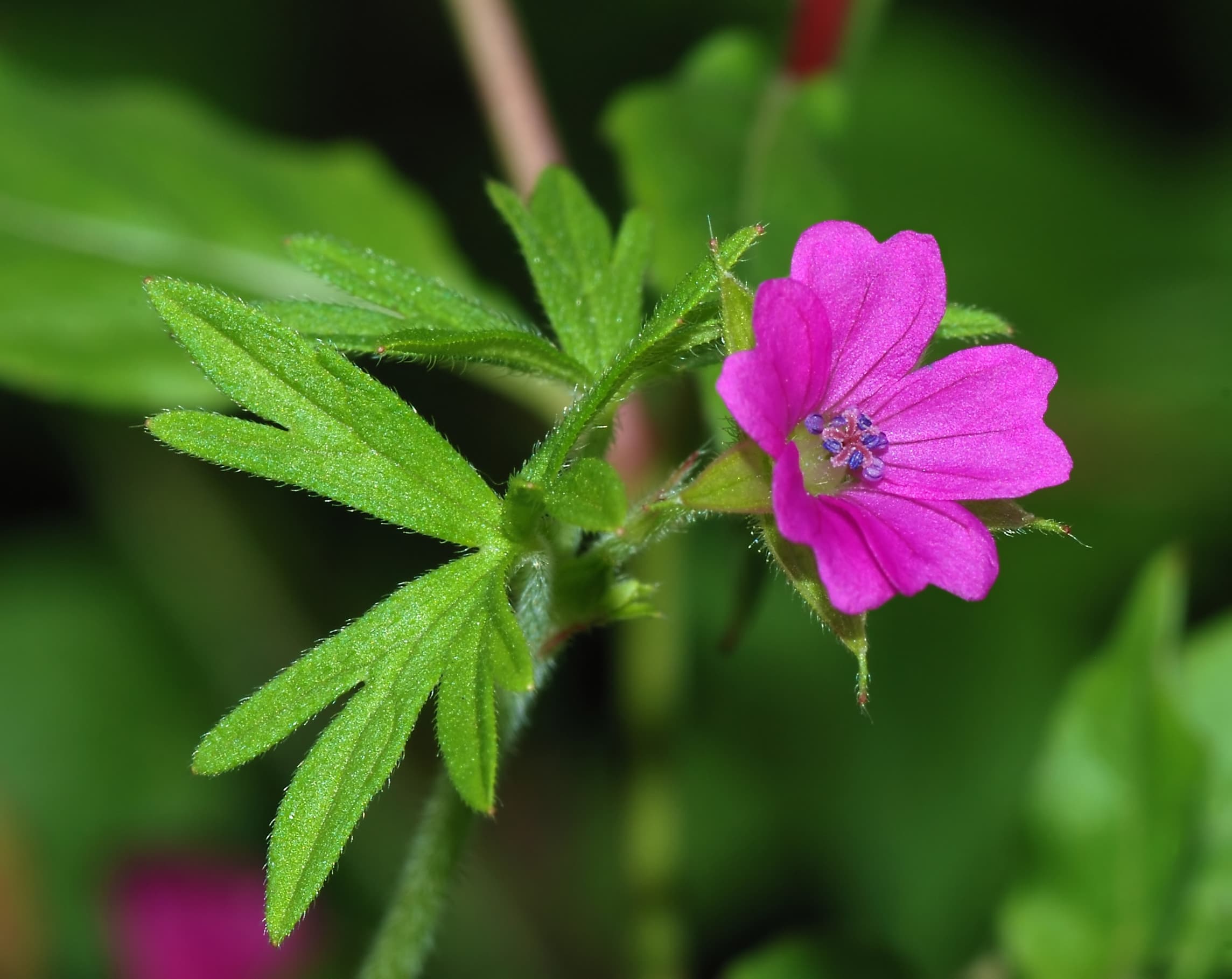
Position
full sun, partial shade
loam, sandy soil, chalky soil
moderate
Feeding
Feed in March and April.
Year-round care
Geranium 'Rozanne' has a well-deserved reputation for being undemanding. Water regularly during the first growing season to help roots establish, then reduce frequency once the plant is settled. In summer, water during prolonged dry spells—once or twice a week is usually sufficient if rainfall is scarce. The plant tolerates moderate drought but flowers more freely with consistent moisture. In autumn and winter, natural rainfall is generally adequate, and overwatering should be avoided to prevent root rot. Feed in March or April as new growth begins. A single application of a balanced general-purpose fertiliser (such as blood, fish and bone or a slow-release granular feed) scattered around the base is enough for the season. Avoid high-nitrogen feeds, which promote leafy growth at the expense of flowers. A light top-up in early summer can extend the flowering period, but it's not essential. 'Rozanne' is fully hardy in zones 5a–8b and requires no special winter protection in temperate Europe. The top growth will die back after hard frosts, but the crown survives underground and regrows reliably each spring. A mulch of compost or leaf mould applied in late autumn helps insulate roots and improves soil structure. Pests and diseases are rare. Slugs and snails may nibble young shoots in spring, so check regularly and use your preferred control method. Vine weevil larvae occasionally attack the roots of container-grown plants; if growth suddenly wilts, inspect the root ball. Powdery mildew can appear in very dry conditions, but good spacing and adequate watering usually prevent it. Overall, 'Rozanne' is a robust, trouble-free perennial.


