Dwarf goat's beard in November: monthly care
Month-by-month care — Aruncus aethusifolius
In November your dwarf goat's beard needs attention: prune.
- Prune
What to do this November
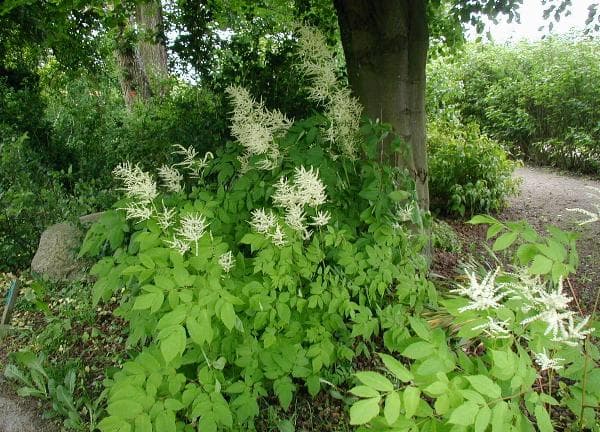
Aruncus aethusifolius requires very little pruning, which is part of its appeal as a low-maintenance perennial. The main task is tidying up spent foliage rather than structural pruning. The plant produces airy plumes of creamy-white flowers in early summer, followed by attractive seed heads that persist into autumn. Many gardeners leave these in place for winter interest and to provide food and shelter for wildlife. Cut back the old foliage and stems in March or November. March is often preferable in colder gardens, as the dead top growth offers some frost protection to the crown over winter and adds structure to the dormant border. If you prefer a tidy garden or live in a milder area, November works well once the foliage has fully died back and turned brown. Use secateurs or garden shears to cut stems down to within a few centimetres of ground level, taking care not to damage emerging shoots if pruning in early spring. There's no need to deadhead during the flowering season unless you dislike the look of fading blooms. Removing spent flowers won't encourage a second flush, as Aruncus flowers once per season. The seed heads are ornamental and turn a pleasing russet-brown, so leaving them is worthwhile. This perennial doesn't require division to stay healthy, but you can lift and divide congested clumps in early spring if you want to propagate or rejuvenate an old plant. Dig up the whole clump, tease or cut it into sections with a sharp spade, and replant immediately, watering well.