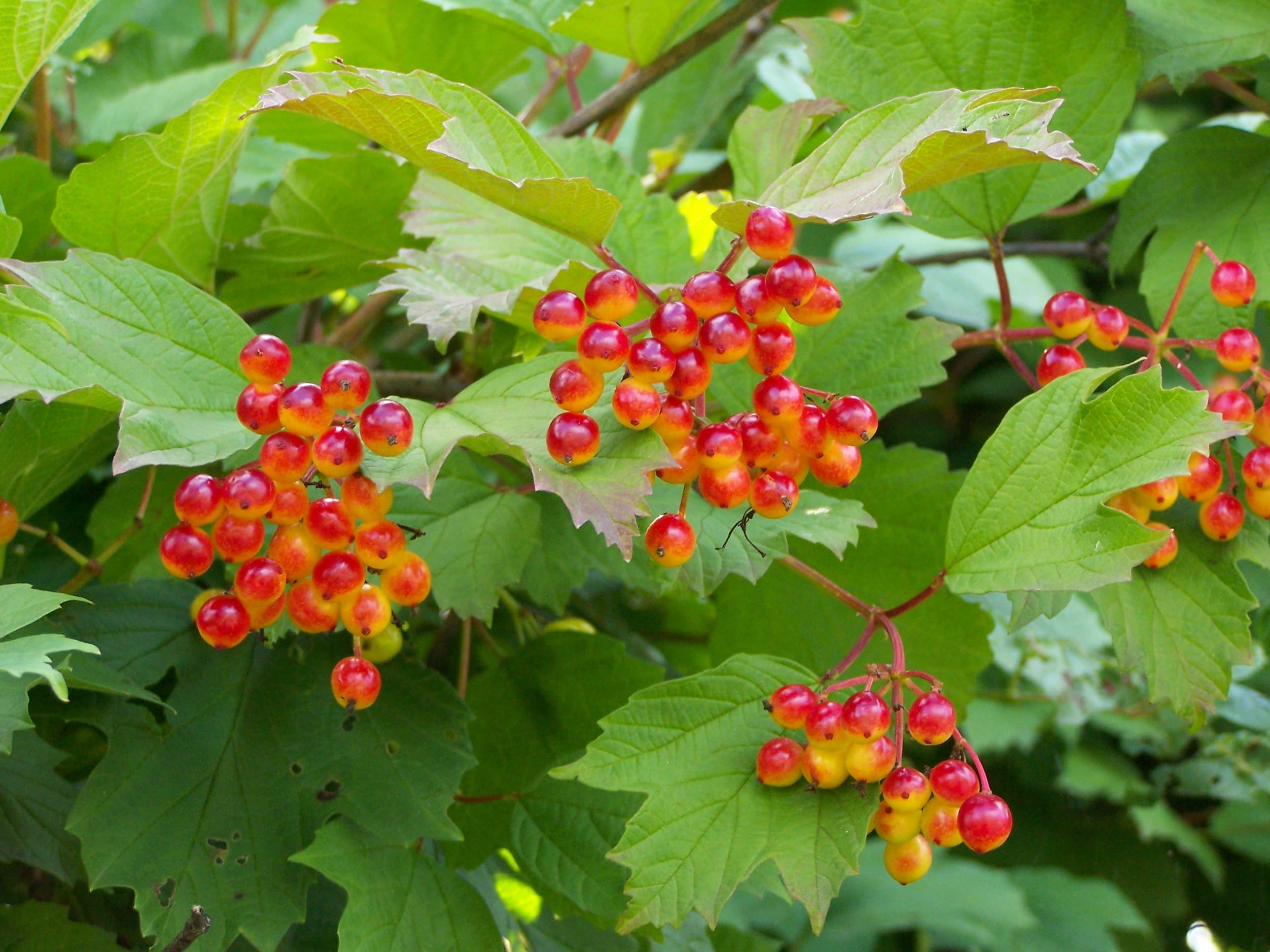
Dwarf Viburnum
Viburnum opulus 'Compactum'
Dutch: Dwerg-sneeuwbal
Dwerg-sneeuwbal (Viburnum opulus 'Compactum') is a native to the Netherlands ground cover from the Adoxaceae family that grows up to 100cm tall. This plant thrives in full sun to partial shade and requires low maintenance. Blooms in late spring and early summer with white flowers and attracts bees and butterflies and birds.
60–100 cm
80–120 cm
full sun, partial shade
moderate
loam, clay soil, peat soil
low maintenance
late spring, early summer
white
Ecologische waarde
Verzorgingskalender
| Taak | Jan | Feb | Mrt | Apr | Mei | Jun | Jul | Aug | Sep | Okt | Nov | Dec |
|---|---|---|---|---|---|---|---|---|---|---|---|---|
| 🌱Planten | ||||||||||||
| ✂️Snoeien | ||||||||||||
| 💧Bemesten |
Care tips
Planting
Dwarf viburnum thrives in full sun or partial shade, making it adaptable to most garden positions. It performs best in moisture-retentive soils such as loam, clay, or peat-based ground, though it will tolerate a range of conditions provided drainage isn't excessively poor. Before planting, dig over the soil to a spade's depth and work in a generous amount of well-rotted compost or manure, especially if your soil is light or sandy. This improves moisture retention and provides a good nutrient base for establishment. Plant container-grown specimens in March, April, May, September, or October. Autumn planting is often ideal because the soil is still warm and autumn rains help roots establish before winter. Dig a hole roughly twice the width of the root ball and about the same depth, so the top of the root ball sits level with the surrounding soil surface. Backfill with the excavated soil mixed with compost, firming gently as you go to eliminate air pockets. Space plants 60 cm apart if you're creating a low informal hedge or groundcover planting; this allows the shrubs to knit together over two to three years while maintaining good air circulation. For specimen planting, give each plant the full 80–120 cm spread to develop its natural rounded habit. Water thoroughly immediately after planting, soaking the root zone deeply. Apply a 5–7 cm layer of organic mulch such as composted bark or leaf mould around the base, keeping it a few centimetres clear of the stems to prevent rot. Mulch conserves moisture and suppresses weeds during the critical first growing season. Check soil moisture weekly during dry spells in the first year until the roots are well established.
Pruning
Dwarf viburnum requires very little pruning to maintain its compact, rounded shape. The cultivar 'Compactum' has been bred specifically for its naturally tidy habit, so heavy cutting back is rarely necessary and can spoil its form. The best time to prune is in March, after the harshest winter weather has passed but before the plant puts on strong spring growth and sets flower buds for late spring and early summer display. Use clean, sharp secateurs or loppers for stems up to about 2 cm thick. Start by removing any dead, damaged, or diseased wood, cutting back to healthy tissue or to the base if an entire stem is affected. Next, take out any branches that cross or rub against each other, as these can create wounds that invite infection. If the shrub has become congested in the centre, thin out a few of the oldest stems at ground level to improve air circulation and light penetration, which encourages healthy new growth and reduces the risk of fungal problems. Avoid shearing or formal clipping, which destroys the natural character of the plant and removes the flower buds. If you need to reduce size slightly, cut individual branches back to a healthy outward-facing bud or to a main stem junction, rather than trimming the whole plant uniformly. Light tip pruning can be done immediately after flowering if you need to tidy wayward shoots, but keep this minimal. Spent flower clusters can be left on the plant—they develop into attractive red berries in autumn that provide food for birds and add seasonal interest through winter.
Maintenance
Dwarf viburnum has moderate water needs and prefers soil that stays evenly moist, particularly during the growing season. Water regularly during dry spells in spring and summer, giving the root zone a thorough soaking rather than frequent light sprinkles. Established plants are reasonably drought-tolerant once their roots have spread, but prolonged dryness can stress the shrub and reduce flowering. In autumn and winter, natural rainfall is usually sufficient unless conditions are exceptionally dry. Feed once a year in April with a balanced slow-release fertiliser such as blood, fish, and bone or a general-purpose shrub feed. Scatter a handful around the base of each plant, keeping it clear of the stems, and lightly fork or rake it into the soil surface. Alternatively, top up the mulch layer each spring with well-rotted compost, which feeds the soil as it breaks down and helps retain moisture through summer. This viburnum is fully hardy across zones 3a–8b and requires no special winter protection in temperate European gardens. Mulching in autumn helps insulate roots during cold snaps, but the plant itself is extremely cold-tolerant. Pests are rarely a serious problem, though viburnum beetle can occasionally damage foliage, leaving it skeletonised. Check leaves in late spring and summer; if you spot larvae or adult beetles, pick them off by hand or use an appropriate insecticide if infestation is severe. Aphids may cluster on soft new growth in spring but seldom cause lasting harm—a strong jet of water usually dislodges them. Powdery mildew can appear on leaves in dry summers, particularly in crowded or poorly ventilated spots. Ensure good spacing and avoid overhead watering to minimise risk.
More about this plant
Combines well with
Related guides
Dwarf Viburnum in your garden design?
Make a free garden design with AI advice. Our AI knows Dwarf Viburnum and 130+ other plants.
Start free design