Dwarf Viburnum in October: monthly care
Month-by-month care — Viburnum opulus 'Compactum'
In October your dwarf Viburnum needs attention: plant / sow.
- Plant / sow
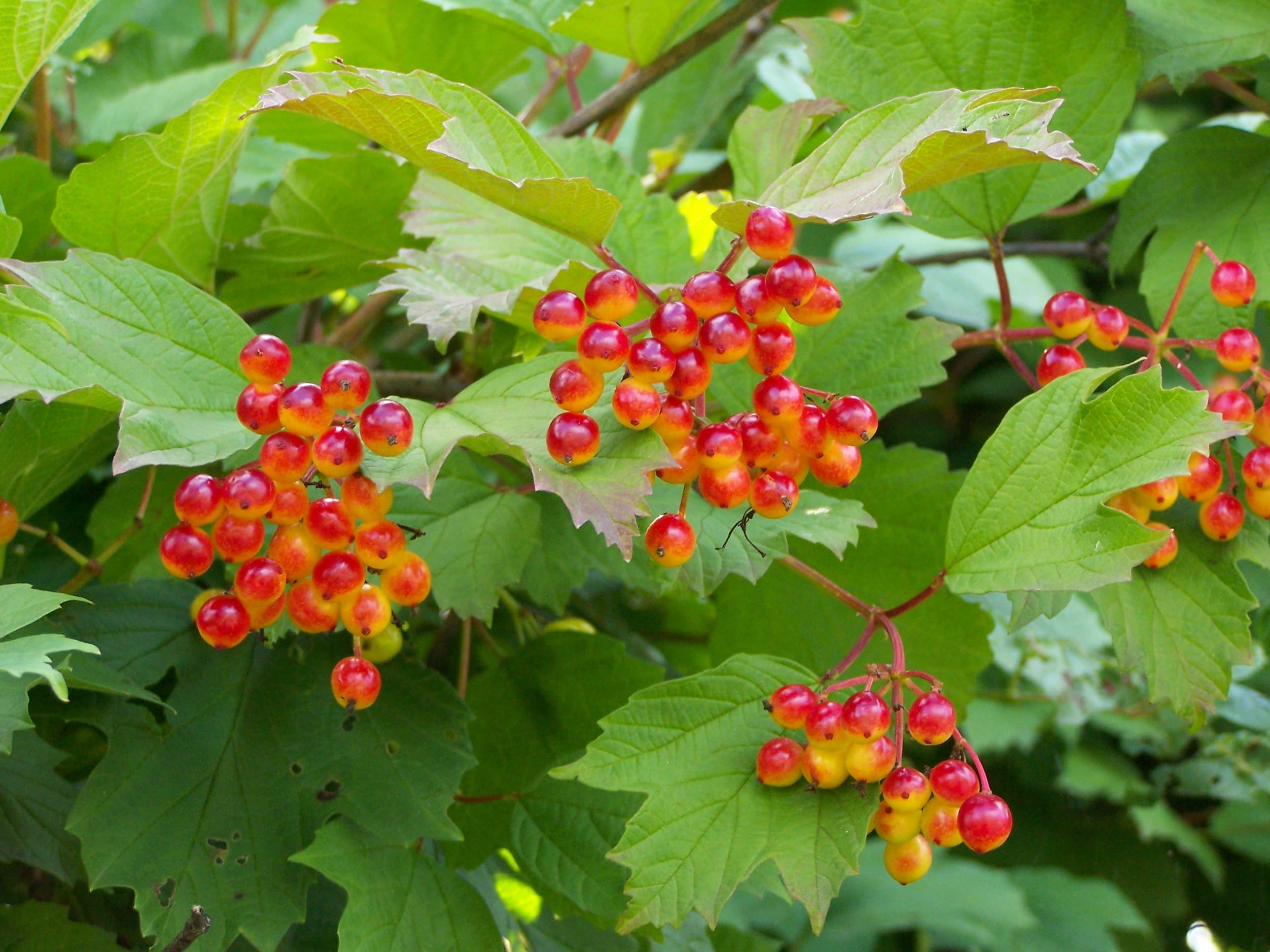
What to do this October
Dwarf viburnum thrives in full sun or partial shade, making it adaptable to most garden positions. It performs best in moisture-retentive soils such as loam, clay, or peat-based ground, though it will tolerate a range of conditions provided drainage isn't excessively poor. Before planting, dig over the soil to a spade's depth and work in a generous amount of well-rotted compost or manure, especially if your soil is light or sandy. This improves moisture retention and provides a good nutrient base for establishment. Plant container-grown specimens in March, April, May, September, or October. Autumn planting is often ideal because the soil is still warm and autumn rains help roots establish before winter. Dig a hole roughly twice the width of the root ball and about the same depth, so the top of the root ball sits level with the surrounding soil surface. Backfill with the excavated soil mixed with compost, firming gently as you go to eliminate air pockets. Space plants 60 cm apart if you're creating a low informal hedge or groundcover planting; this allows the shrubs to knit together over two to three years while maintaining good air circulation. For specimen planting, give each plant the full 80–120 cm spread to develop its natural rounded habit. Water thoroughly immediately after planting, soaking the root zone deeply. Apply a 5–7 cm layer of organic mulch such as composted bark or leaf mould around the base, keeping it a few centimetres clear of the stems to prevent rot. Mulch conserves moisture and suppresses weeds during the critical first growing season. Check soil moisture weekly during dry spells in the first year until the roots are well established.