Pruning Dwarf Viburnum
When and how — Viburnum opulus 'Compactum'
Prune your dwarf Viburnum in March — the optimal month is usually March.
The next pruning window is March next year.
When to prune?
The groundcover dwarf Viburnum is pruned in March.
Prune groundcovers to keep them in bounds.
Groundcovers are chosen for vigorous growth — and they deliver. So 'pruning' here is more about containment than shaping. Once a year, in spring, cut or shear the entire mat down to 5–10 cm. This refreshes the growth, prevents the centre from going woody, and keeps the carpet dense and healthy. For overgrown edges, take a sharp spade and cut a brutal straight line — the trimmings make ideal material for planting up elsewhere. Creeping species like vinca minor and pachysandra need little else; flowering groundcovers (geum, Geranium macrorrhizum) get a deadheading after the first flush.
How to prune dwarf Viburnum
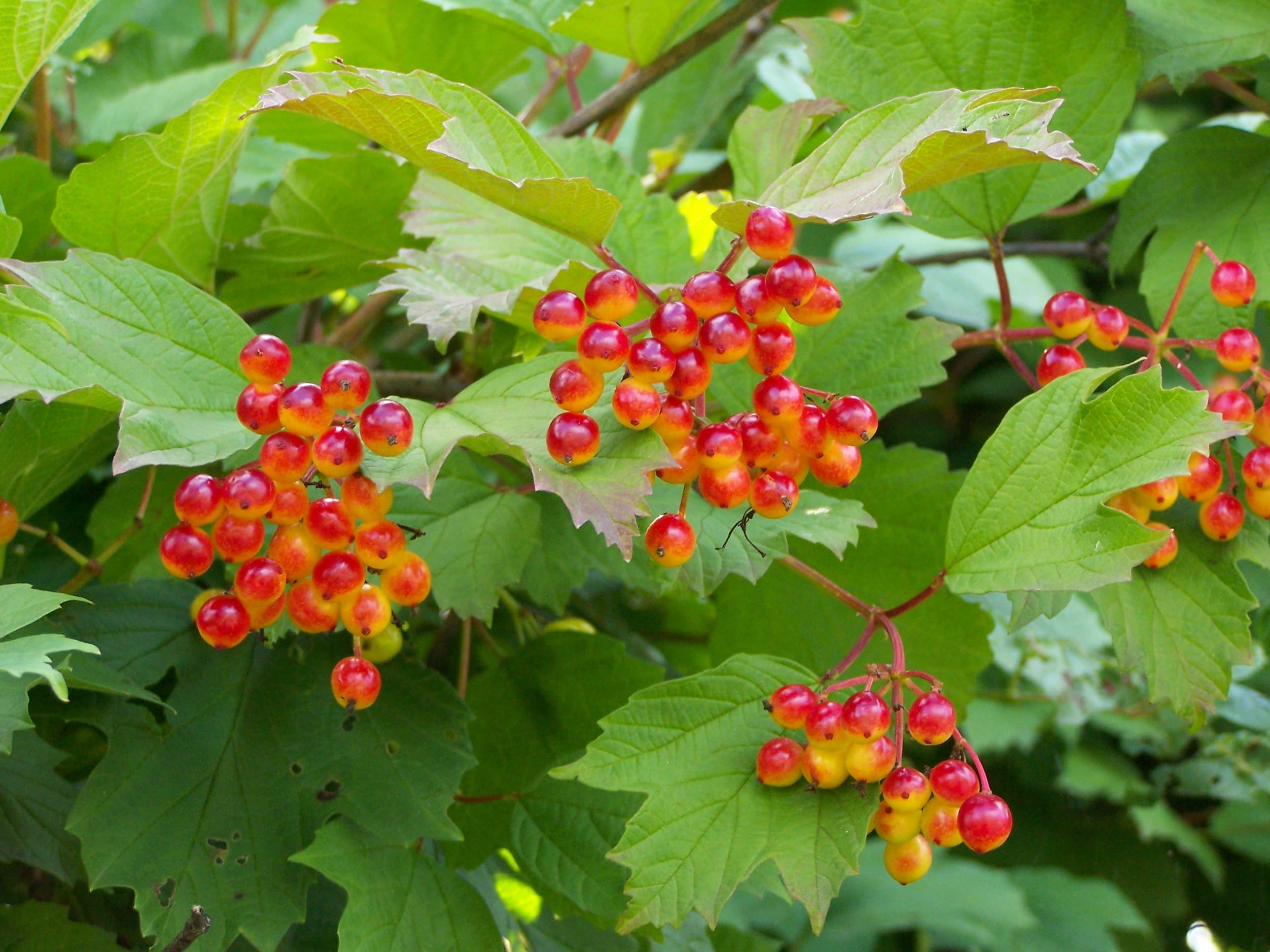
Dwarf viburnum requires very little pruning to maintain its compact, rounded shape. The cultivar 'Compactum' has been bred specifically for its naturally tidy habit, so heavy cutting back is rarely necessary and can spoil its form. The best time to prune is in March, after the harshest winter weather has passed but before the plant puts on strong spring growth and sets flower buds for late spring and early summer display. Use clean, sharp secateurs or loppers for stems up to about 2 cm thick. Start by removing any dead, damaged, or diseased wood, cutting back to healthy tissue or to the base if an entire stem is affected. Next, take out any branches that cross or rub against each other, as these can create wounds that invite infection. If the shrub has become congested in the centre, thin out a few of the oldest stems at ground level to improve air circulation and light penetration, which encourages healthy new growth and reduces the risk of fungal problems. Avoid shearing or formal clipping, which destroys the natural character of the plant and removes the flower buds. If you need to reduce size slightly, cut individual branches back to a healthy outward-facing bud or to a main stem junction, rather than trimming the whole plant uniformly. Light tip pruning can be done immediately after flowering if you need to tidy wayward shoots, but keep this minimal. Spent flower clusters can be left on the plant—they develop into attractive red berries in autumn that provide food for birds and add seasonal interest through winter.
Common mistakes
✗ Never cutting back
After 3–4 years the mat goes bald and woody in the centre. An annual early-spring cut prevents this and keeps the planting looking good for decades.
✗ Letting the edges run
Groundcovers quickly colonise paths and neighbouring borders. Cut the edges back cleanly every 4–6 weeks during the growing season.
Too late this year? Here's what to do
Better to wait than prune at the wrong moment. The next optimal window is March next year. Until then: leave the plant alone — only remove dead or diseased wood (which you can do year-round).


