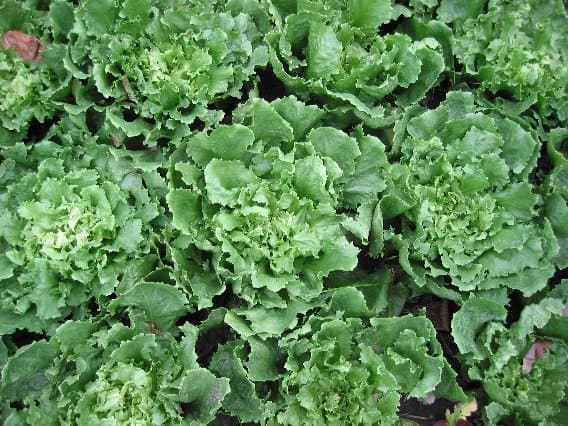
Endive
Cichorium endivia
Dutch: Andijvie
Andijvie (Cichorium endivia) is a edible vegetable from the Asteraceae family that grows up to 30cm tall. This plant thrives in full sun to partial shade and requires low maintenance.
20–30 cm
25–35 cm
full sun, partial shade
high water needs
loam
low maintenance
Verzorgingskalender
| Taak | Jan | Feb | Mrt | Apr | Mei | Jun | Jul | Aug | Sep | Okt | Nov | Dec |
|---|---|---|---|---|---|---|---|---|---|---|---|---|
| 🌱Planten | ||||||||||||
| 💧Bemesten | ||||||||||||
| 🍎Oogsten |
Care tips
Planting
Endive thrives in full sun or partial shade and prefers well-drained loam soil enriched with organic matter. Before sowing or planting, dig over the bed to a spade's depth and work in plenty of well-rotted compost or manure to improve moisture retention and fertility. The soil should be firm but not compacted. You can sow endive directly outdoors from April through to August, allowing for successive harvests from early summer into autumn. Sow seeds thinly in shallow drills about 1 cm deep, spacing rows 30 cm apart. Germination typically takes 7–14 days. Once seedlings have developed two or three true leaves, thin them to a final spacing of 30 cm between plants. Alternatively, start seeds indoors in modules from April onwards and transplant young plants outside after hardening off, again spacing them 30 cm apart. Endive has a high water requirement, so choose a site where you can water regularly, especially during dry spells. Avoid very exposed positions, as the broad leaves can be damaged by strong winds. Plant in blocks rather than long single rows to provide some mutual shelter and make watering more efficient. Immediately after sowing or transplanting, water the bed thoroughly to settle the soil around roots or seeds. Keep the soil consistently moist during the establishment phase. Apply a 2–3 cm layer of organic mulch around young plants to conserve moisture and suppress weeds, but keep mulch clear of the central rosette to prevent rot. Endive grows quickly in warm weather, so timely watering and good soil preparation are the keys to producing crisp, tender leaves.
Pruning
Endive does not require pruning in the conventional sense, as it is a fast-growing leafy vegetable harvested within weeks of planting. There are no pruning months listed for this crop because you manage it through harvesting and, if desired, blanching rather than cutting back growth. The main task is removing any damaged, yellowing, or slug-damaged outer leaves as the plant develops. Check plants regularly and pull away any foliage that shows signs of disease or pest damage to maintain good air circulation around the rosette and reduce the risk of rot, particularly in damp weather. This is especially important in late summer and autumn when humidity levels rise. Many gardeners blanch endive to reduce its natural bitterness and produce paler, sweeter leaves. About two to three weeks before you intend to harvest, gather the outer leaves together gently and tie them loosely with soft string or a rubber band, or cover the entire plant with an upturned bucket or large pot. This excludes light from the heart of the plant. Only blanch plants that are dry, and check them every few days to ensure no rot is developing. Blanching is optional but traditional, particularly for curly-leaved varieties. Harvest endive by cutting the whole head at soil level with a sharp knife once the rosette has reached a good size, typically 20–30 cm across. You can also pick individual outer leaves as a cut-and-come-again crop if you prefer a longer, lighter harvest. Remove any bolting plants promptly—once endive sends up a flower stalk, the leaves become too bitter to eat.
Maintenance
Endive has high water needs and performs best when the soil is kept consistently moist throughout the growing season. Water regularly, especially during dry spells in summer, aiming to provide at least 2–3 cm of water per week. In hot weather you may need to water every other day. Inconsistent watering can cause the leaves to become excessively bitter or trigger premature bolting, so try to maintain even soil moisture. Mulching with compost or well-rotted manure helps retain moisture and keeps roots cool. Feed endive once in June with a balanced liquid fertiliser or apply a top-dressing of pelleted poultry manure around the base of the plants. Avoid high-nitrogen feeds later in the season, as these can encourage lush, soft growth that is more prone to slug damage and rot. The initial soil preparation with compost usually provides sufficient nutrients for the relatively short growing period. Endive is generally low-maintenance but can suffer from a few common problems. Slugs and snails are the main pests, particularly on young plants and during damp weather. Use organic slug pellets, beer traps, or hand-pick in the evening. Aphids occasionally cluster on the leaves; wash them off with a jet of water or use an insecticidal soap if necessary. Downy mildew and lettuce root aphid can occur in wet conditions or on poorly drained soil—ensure good spacing and air flow to minimise risk. Endive is hardy to zone 5 and tolerates light frosts, which can actually improve flavour. Late-season crops sown in July or August will continue producing into October and sometimes beyond if protected with fleece or cloches during cold snaps.
More about this plant
Combines well with
Related guides
Endive in your garden design?
Make a free garden design with AI advice. Our AI knows Endive and 130+ other plants.
Start free design