English Lavender in March: monthly care
Month-by-month care — Lavandula angustifolia 'Hidcote'
In March your english Lavender needs attention: prune.
- Prune
What to do this March
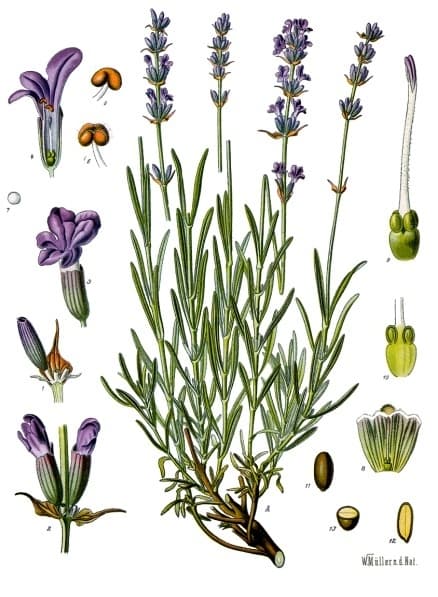
Lavandula angustifolia 'Hidcote' needs pruning twice a year to maintain its compact shape and encourage vigorous flowering. Without regular pruning, plants become woody, bare at the base, and produce fewer blooms. The first prune comes in August or September, immediately after flowering finishes. Use clean, sharp secateurs or garden shears to cut back the spent flower stems along with about 2–3 cm of the soft green growth beneath them. This deadheading prevents the plant wasting energy on seed production and keeps it tidy through autumn. Don't cut into the old brown wood at this stage—just trim the leafy green growth. The main structural prune happens in March, as new growth begins to emerge at the base. Cut back all the previous year's growth by about one-third to one-half, shaping the plant into a neat dome. Again, avoid cutting into thick, bare, woody stems, as lavender rarely regenerates from old wood. If you can see fresh green shoots lower down, you can prune just above them. This spring trim stimulates bushy new growth and plenty of flower buds for summer. If your 'Hidcote' has become very woody and gappy, it's usually better to replace it than attempt hard renovation pruning. Young plants are inexpensive and establish quickly. Always prune on a dry day to reduce the risk of fungal infection entering cut stems.