Caring for European wild ginger
Complete guide — Asarum europaeum
european wild ginger needs low maintenance, a position in full shade or partial shade on loam / clay soil and moderate.
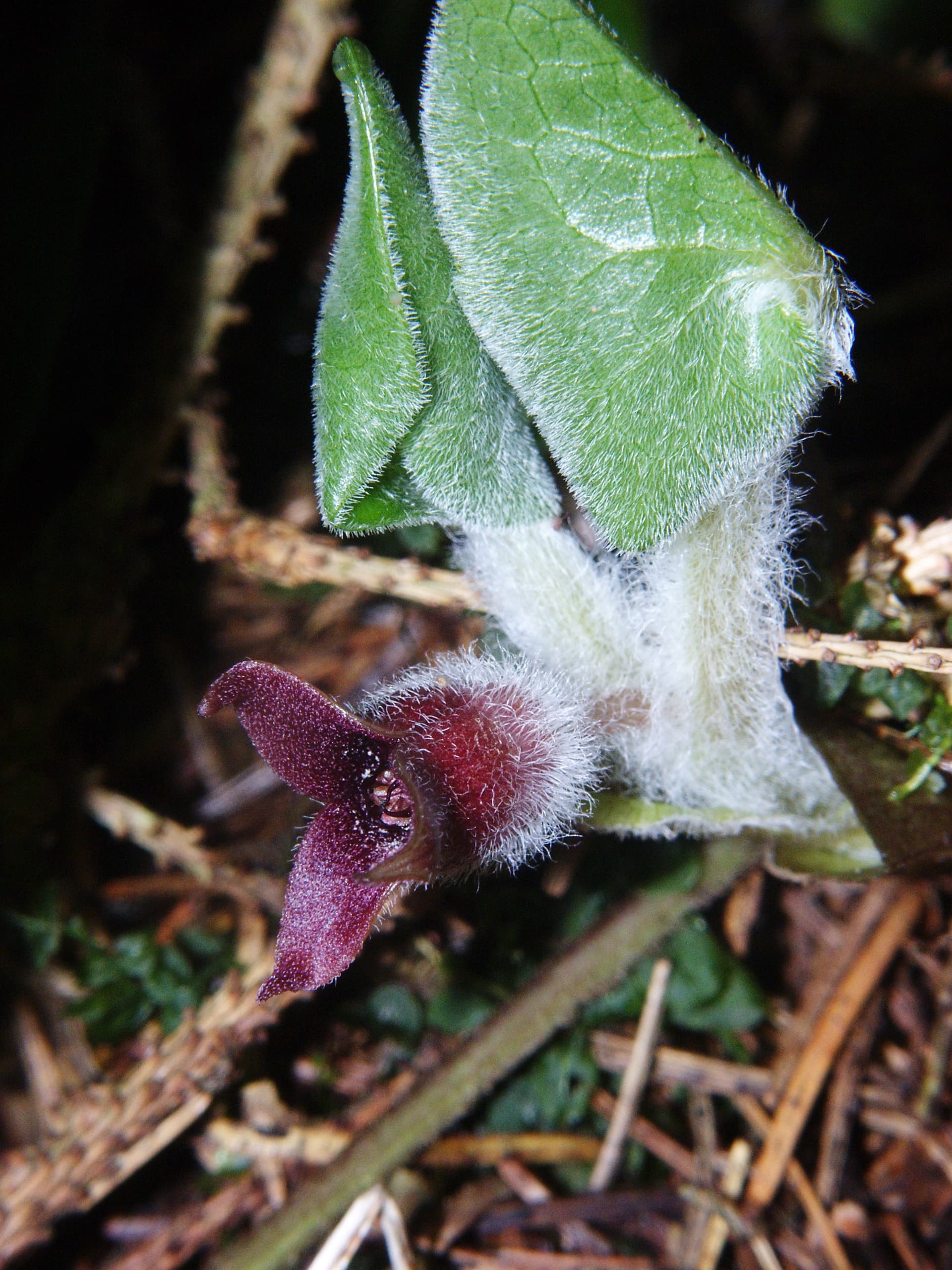
Position
full shade, partial shade
loam, clay soil
moderate
Feeding
Feed in March and April.
Year-round care
Hazelwort is a low-maintenance perennial once established, but it does appreciate consistent moisture. Water regularly during dry spells in spring and summer, particularly in the first year. The moderate water need means the soil should stay evenly moist but never sodden; hazelwort tolerates clay soil well but will sulk if roots sit in standing water. In shaded positions moisture is usually retained naturally, so you'll rarely need to water except during prolonged drought. Feed lightly in March or April with a general-purpose granular fertiliser scattered around the base of the plants, or top-dress with a 2–3 cm layer of leaf mould or well-rotted compost. Hazelwort is a woodland plant adapted to lean soils enriched slowly by leaf litter, so avoid high-nitrogen feeds that promote soft, lush growth at the expense of the plant's natural hardiness and compact habit. Overwintering is straightforward: hazelwort is fully hardy to zone 4 and its evergreen leaves remain glossy through winter. No protection is needed, though a mulch of leaf mould in autumn helps insulate roots and replenishes organic matter. Pests and diseases are rare. Slugs and snails occasionally nibble the foliage, especially on young plants in damp shade, so use organic slug pellets or barriers if damage becomes unsightly. Vine weevil larvae can attack the rhizomes in container-grown specimens, though this is uncommon in open ground. Refresh mulch annually in autumn to suppress weeds and maintain soil moisture. Hazelwort spreads slowly via rhizomes and will eventually form a weed-proof mat, but patience is required—this is not a plant for instant ground cover.


