Fernleaf yarrow in March: monthly care
Month-by-month care — Achillea filipendulina
In March your fernleaf yarrow needs attention: plant / sow and prune.
- Plant / sow
- Prune
What to do this March
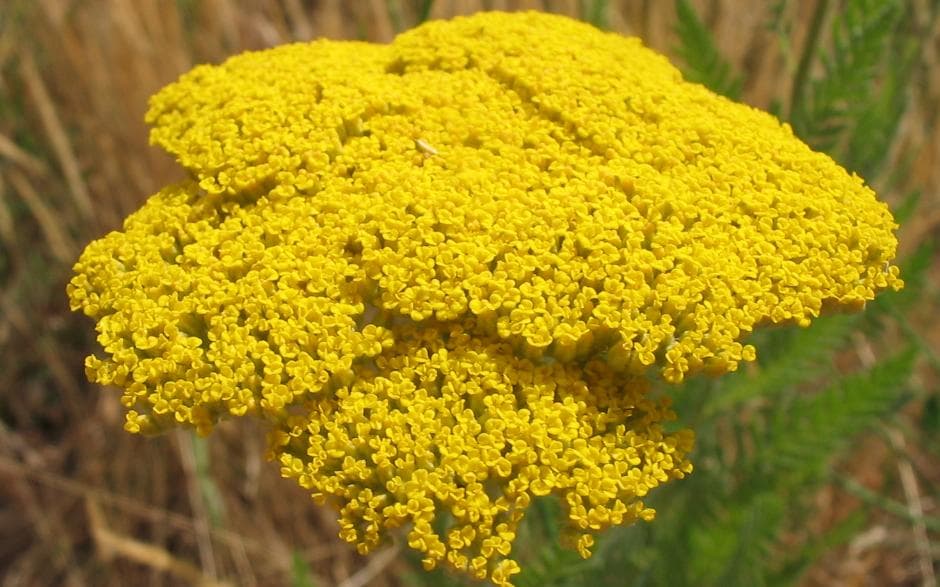
Achillea filipendulina thrives in full sun but tolerates partial shade, though flowering will be less prolific in shadier spots. Choose a well-drained site; this perennial is particularly suited to sandy soil, loam, or chalky soil and dislikes heavy, waterlogged ground. Before planting, dig over the soil to break up any compaction and remove perennial weeds. There's no need to enrich the soil with compost or manure—goudduizendblad actually performs better in lean, free-draining conditions, which encourage sturdy stems and reduce the risk of flopping. Plant in March, April, or May for establishment before summer, or in September and October to give roots time to settle before winter. Dig a hole slightly larger than the root ball, set the plant at the same depth it was growing in its pot, and backfill with soil, firming gently. Space plants 45 cm apart to allow good air circulation and room for the clumps to spread to their mature width of 40–60 cm. Water thoroughly immediately after planting to settle the soil around the roots, but thereafter goudduizendblad needs very little supplementary watering once established—it has low water requirements and tolerates drought well. A light mulch of gravel or grit around the base can help suppress weeds and improve drainage, but avoid organic mulches like bark or compost, which can retain too much moisture around the crown. No staking is usually necessary if the plant is grown in full sun and lean soil, as stems remain sturdy and upright.
Goudduizendblad requires minimal pruning, but a couple of seasonal cuts will keep plants tidy and encourage better performance. The main pruning window is in March or November, depending on your preference and garden style. In November, once flowering has finished and the foliage begins to die back, you can cut the whole plant down to ground level, removing all spent stems and leaves. This tidies the border for winter and reduces the risk of fungal problems in damp weather. Alternatively, leave the dried flowerheads standing through winter—they provide structure, seed for birds, and shelter for beneficial insects—then cut back hard in March just as new basal growth emerges. Use clean, sharp secateurs or hedging shears for the job. Cut stems down to within 5–10 cm of the ground, just above the fresh shoots. Remove all old growth to the compost heap (goudduizendblad is not prone to persistent disease, so composting is safe). If you prefer a longer flowering season, deadhead spent blooms during summer by cutting stems back to a side shoot or basal foliage; this can stimulate a modest second flush of flowers in late summer, though it's not essential. Goudduizendblad can become congested after three or four years, leading to weaker flowering and die-back in the centre of the clump. Every three to four years in early spring (March or April), lift and divide mature clumps, replanting vigorous outer sections and discarding the woody centre. This rejuvenates the plant and maintains flowering quality.