Garden phlox 'David' in November: monthly care
Month-by-month care — Phlox paniculata 'David'
In November your garden phlox 'David' needs attention: prune.
- Prune
What to do this November
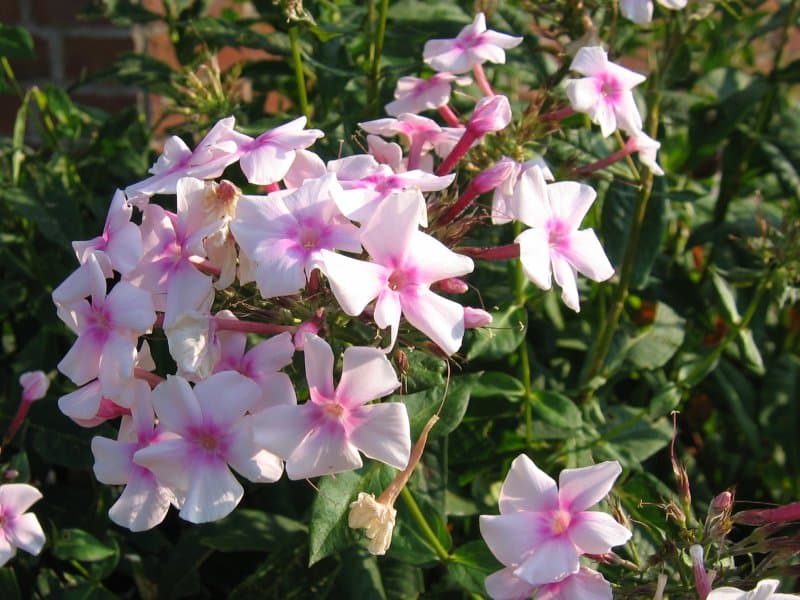
Phlox paniculata 'David' benefits from two main pruning interventions each year. In March, as new growth begins to emerge, cut back all the previous year's stems to ground level or just above the fresh basal shoots. Use clean, sharp secateurs and remove the old brown stems completely—they serve no purpose and can harbour pests and disease spores over winter. This spring cut-back encourages strong, healthy new growth and helps maintain a tidy clump. During the growing season, deadhead spent flower trusses regularly by cutting back to the next set of leaves or side buds. This encourages a second, smaller flush of blooms in late summer and prevents the plant wasting energy on seed production. Simply snip off the faded flower head where it meets the stem; you'll often find smaller side shoots ready to develop. In November, after flowering has completely finished and the foliage begins to die back, you can cut the stems down to around 10–15 cm above ground level. Some gardeners prefer to leave this task until March, and there's merit in both approaches: autumn cutting tidies the border and removes potential overwintering sites for phlox eelworm and mildew spores, while leaving stems standing provides some winter structure and a little protection for the crown during hard frosts. If your clump becomes congested or flowering diminishes after three or four years, lift and divide it in March or April. Discard the woody central portion and replant vigorous outer sections, spacing them as you would new plants. This rejuvenates the clump and is an excellent opportunity to improve the soil with fresh compost.