Goat's beard in February: monthly care
Month-by-month care — Aruncus dioicus
In February your goat's beard needs attention: prune.
- Prune
What to do this February
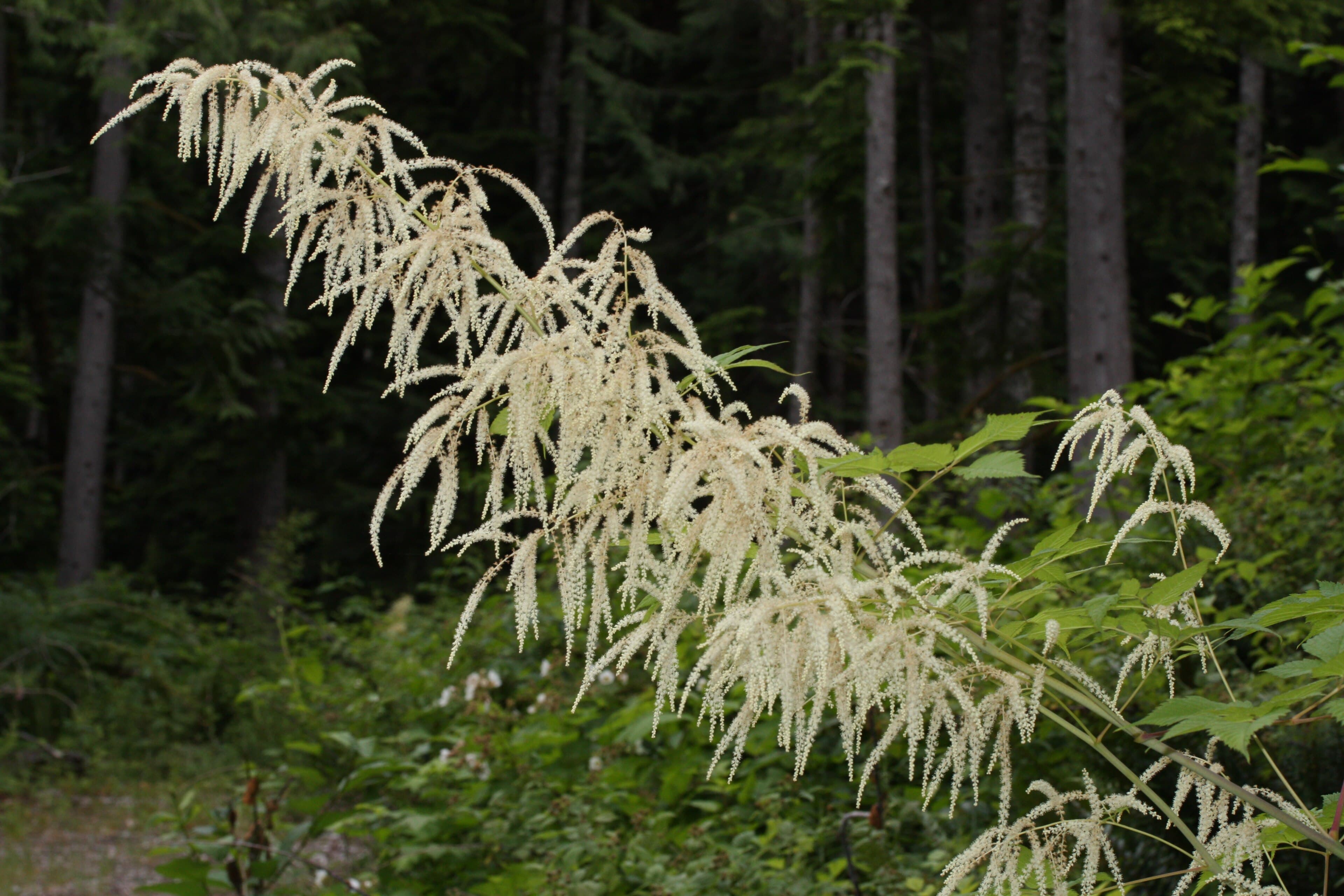
Aruncus dioicus requires very little pruning, which is part of its appeal as a low-maintenance perennial. The main task is tidying up spent growth rather than any formative cutting. After flowering finishes in summer, you can deadhead the faded creamy-white plumes if you prefer a neater appearance, though many gardeners leave the seed heads in place for winter structure and to feed birds. The main pruning window is in late winter or early spring—February or March—before new growth emerges. Cut back all the previous year's stems to ground level using secateurs or loppers; the old stems become hollow and brittle, so they're easy to remove. This annual clear-up prevents a build-up of dead material and makes way for fresh foliage. Alternatively, you can tidy the plant in November after the first hard frosts have blackened the foliage, especially if you find the collapsed stems unsightly through winter. Wear gloves when handling the old stems, as they can be sharp when broken. Dispose of or compost the cut material. If your clump has become congested or flowering has declined after several years, you can divide it in early spring. Lift the entire root ball with a spade, then use a sharp spade or saw to split it into sections, each with several strong shoots. Replant divisions immediately at the same depth and water well. Aruncus dioicus does not require regular shaping or size control. Its natural habit is graceful and self-supporting, so resist the temptation to trim it during the growing season, which would spoil its form and remove the flower buds.