Caring for Goat's beard
Complete guide — Aruncus dioicus
goat's beard needs low maintenance, a position in partial shade or full shade on loam / clay soil and moderate.
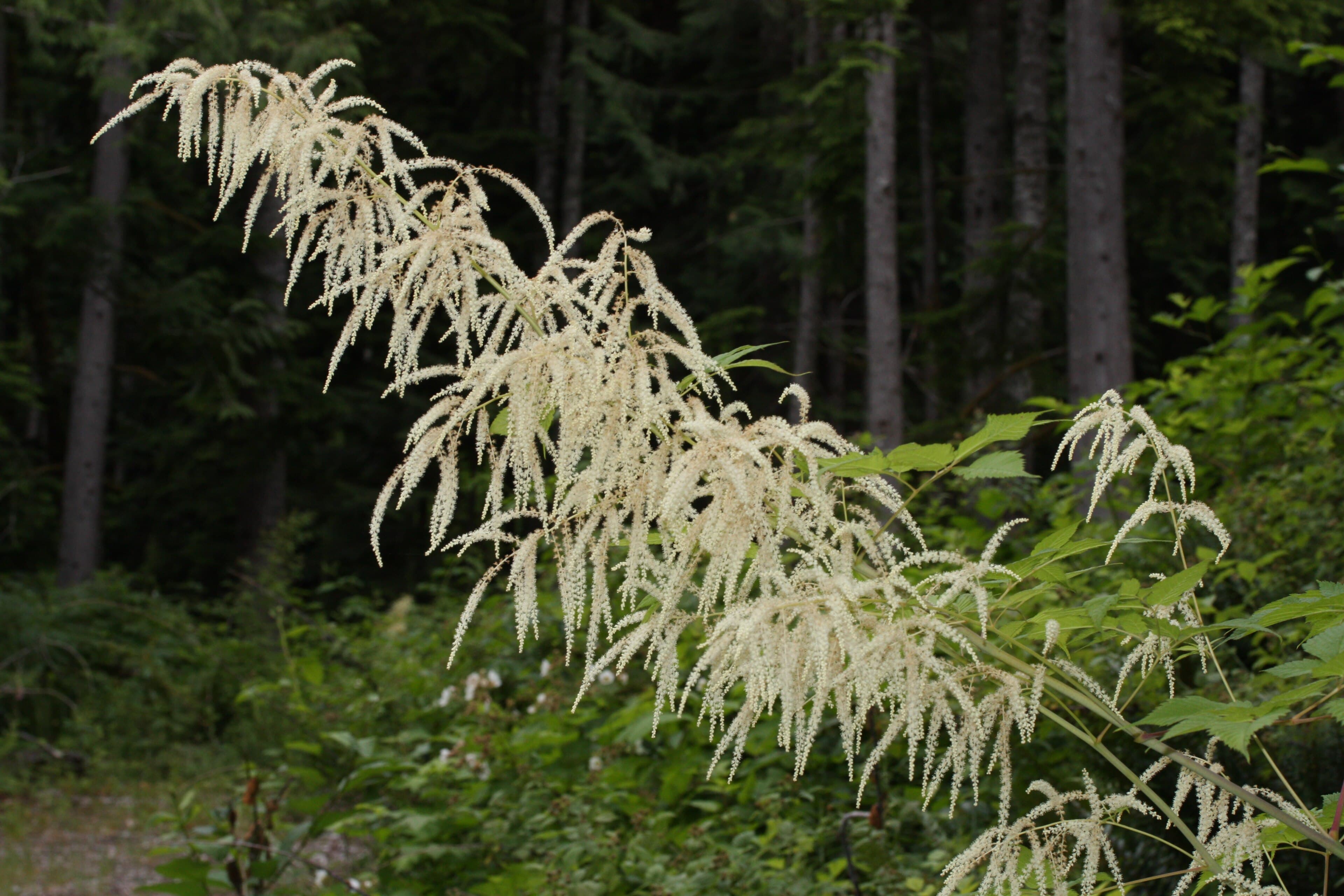
Position
partial shade, full shade
loam, clay soil
moderate
Feeding
Feed in March and April.
Year-round care
Aruncus dioicus is a robust, undemanding perennial once established, but it does appreciate consistent moisture. Water regularly during dry spells in spring and summer, especially in the first year. The large leaves lose moisture quickly, and the plant may wilt noticeably if too dry, though it usually recovers overnight. In shaded positions with moisture-retentive clay or loam, rainfall is often sufficient except during prolonged drought. A deep weekly soak is better than frequent shallow watering. Feed in March or April as new growth appears. Scatter a general-purpose granular fertiliser such as blood, fish and bone or a balanced slow-release feed around the base at the rate recommended on the packet, then water in. Alternatively, apply a 3–5 cm top-up of garden compost or well-rotted manure as a mulch; this feeds the soil and conserves moisture in one go. Avoid high-nitrogen feeds, which promote soft leafy growth at the expense of flowers. Aruncus dioicus is fully hardy to zone 3 and needs no winter protection in temperate Europe. The crown dies back completely and re-emerges reliably each spring. Refresh the mulch layer in autumn or early spring to suppress weeds and maintain soil structure. Pests and diseases are rare. Occasionally, sawfly larvae may skeletonise the foliage in early summer, leaving a lacy appearance. Pick off by hand or tolerate the damage, which is usually minor and doesn't affect overall vigour. Powdery mildew can appear on leaves in hot, dry summers, particularly if the plant is stressed for water; improve moisture levels and remove affected foliage. Slugs may nibble emerging shoots in spring but seldom cause lasting harm.


