Hosta 'Sum and Substance' in May: monthly care
Month-by-month care — Hosta 'Sum and Substance'
In May your hosta 'Sum and Substance' needs attention: plant / sow and fertilise.
- Plant / sow
- Fertilise
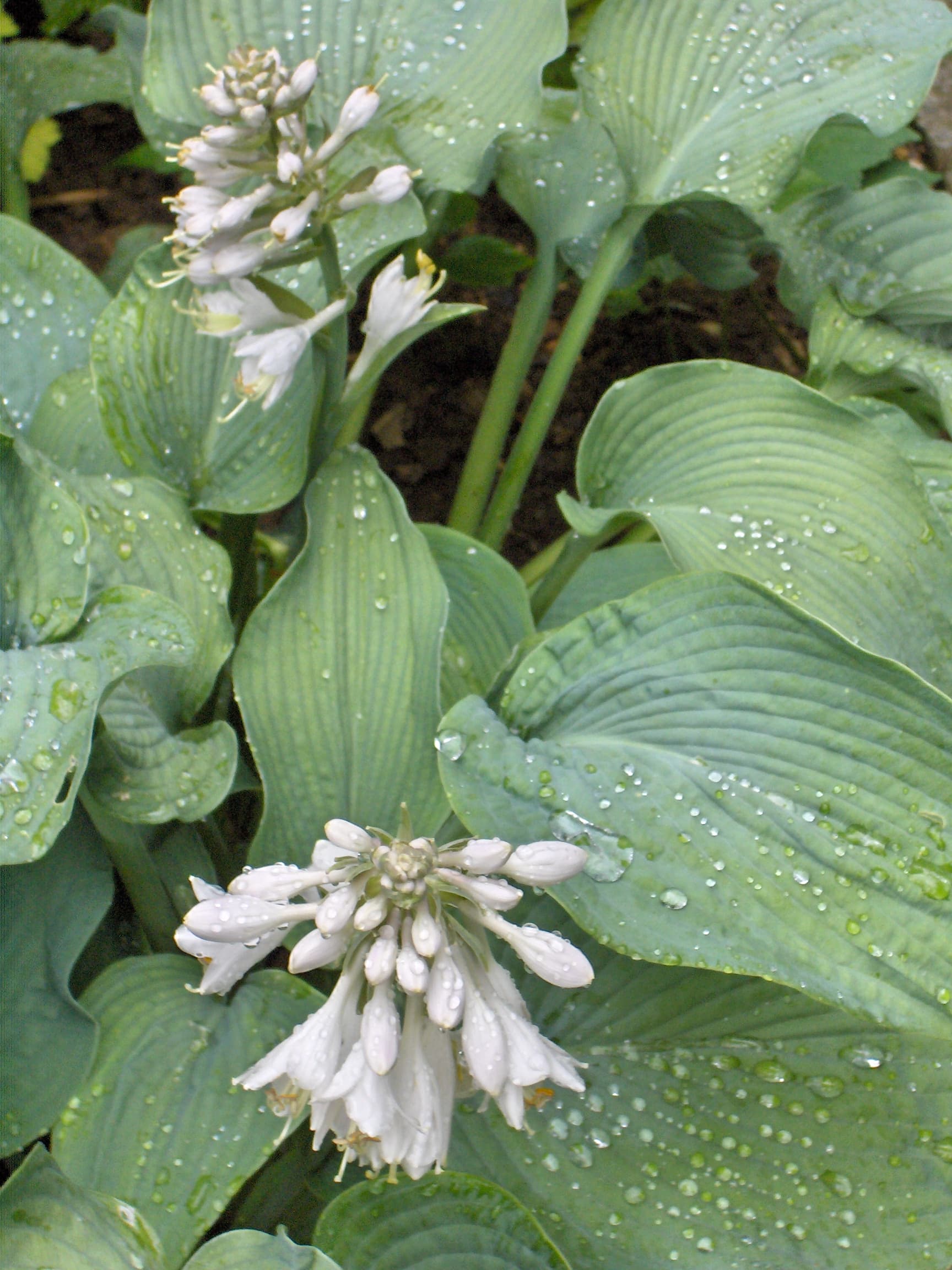
What to do this May
Hosta 'Sum and Substance' thrives in partial shade but tolerates full sun better than most hostas, particularly if the soil stays consistently moist. Choose a spot sheltered from strong winds, which can tatter the large leaves. This cultivar performs best in loam or clay soil that holds moisture well without becoming waterlogged. Prepare the planting area by digging in plenty of organic matter—well-rotted compost or manure—to improve soil structure and moisture retention. The planting hole should be roughly twice the width of the root ball and deep enough so the crown sits level with the surrounding soil surface. Avoid planting too deeply, as this can lead to rot. Plant in March, April or May for the growing season ahead, or in September and October when the soil is still warm enough for roots to establish before winter. Space plants 90 cm apart to allow for their substantial mature spread of 100–120 cm; 'Sum and Substance' is one of the largest hostas and needs room to develop its full architectural presence. After planting, water thoroughly to settle the soil around the roots and eliminate air pockets. Apply a 5–7 cm layer of organic mulch such as composted bark or leaf mould around the base, keeping it clear of the crown itself. This conserves moisture, suppresses weeds, and gradually enriches the soil as it breaks down. Water regularly during the first growing season until the plant is fully established, especially if rainfall is sparse.
Water hosta 'Sum and Substance' regularly during the growing season, especially in full sun positions or during dry spells. The large leaves lose moisture quickly, and the plant performs best with consistent soil moisture. Water deeply once or twice a week rather than little and often, aiming for the soil rather than the foliage to reduce slug attraction and disease risk. In autumn and winter, natural rainfall is usually sufficient. Feed in April, May and June to support the lush foliage. A balanced general-purpose fertiliser or one higher in nitrogen works well; apply according to the manufacturer's instructions, or use a top-dressing of well-rotted compost or manure in early spring. Avoid feeding after midsummer, as this can promote soft growth vulnerable to frost damage. Hostas are fully hardy in zones 3–9 and need no special winter protection. The crown will die back completely and re-emerge in mid to late spring. Refresh the mulch layer each spring to conserve moisture and suppress weeds. Slugs and snails are the primary pests, particularly damaging young emerging leaves in spring. Use your preferred control method—organic pellets, copper tape, beer traps, or night-time patrols—early in the season. 'Sum and Substance' has thicker, more slug-resistant foliage than many hostas, but protection is still worthwhile. Vine weevil can occasionally attack the roots; look out for notched leaf edges and treat the soil with biological controls if needed. Hostas are generally disease-free if given good drainage and air circulation.