Japanese astilbe in November: monthly care
Month-by-month care — Astilbe japonica
In November your japanese astilbe needs attention: prune.
- Prune
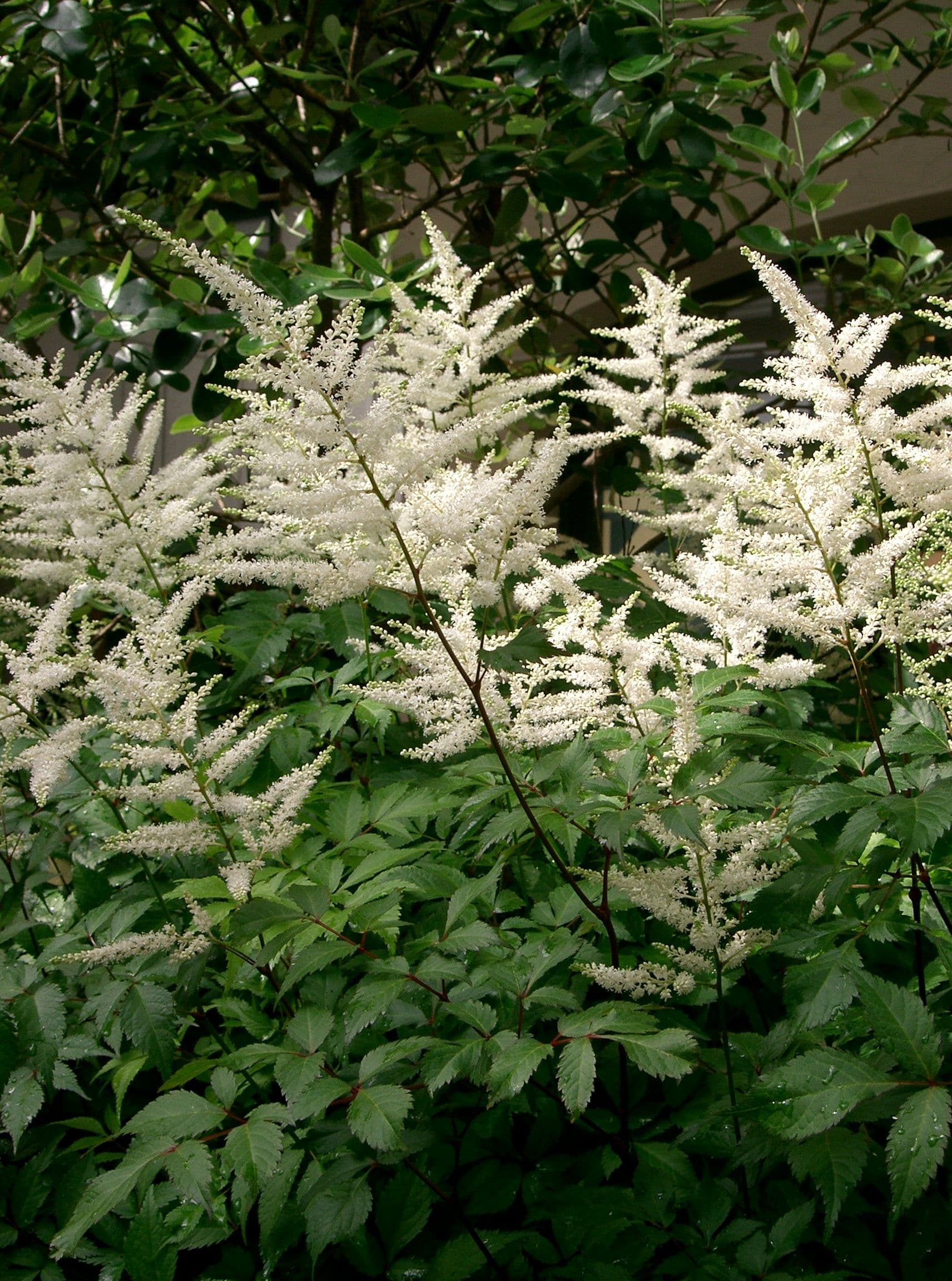
What to do this November
Astilbe japonica does not require pruning in the traditional sense—there are no woody stems to cut back for shape or vigour—but it does benefit from seasonal tidying to keep it healthy and looking its best. The main pruning windows are March and November, and what you do depends on your garden style and local conditions. In November, after flowering has finished and the foliage begins to collapse with the first frosts, you can cut back the spent flower plumes and dying leaves to ground level. This tidies the border and removes potential hiding places for slugs and snails over winter. However, many gardeners prefer to leave the dried flower heads standing through winter for structure and interest, especially when rimmed with frost. If you take this approach, delay the cut-back until March, just before new growth emerges in spring. Use clean secateurs or garden shears and cut all top growth down to within a few centimetres of the crown. Remove any dead or damaged material and clear away debris to reduce disease risk. March is also the time to divide congested clumps if the centre has become woody or flowering has declined—lift the plant, split it into sections with a spade or knife (each with healthy roots and shoots), and replant immediately with added compost. Division rejuvenates astilbe and is best done every three to four years. No other pruning is needed; focus instead on mulching and moisture.