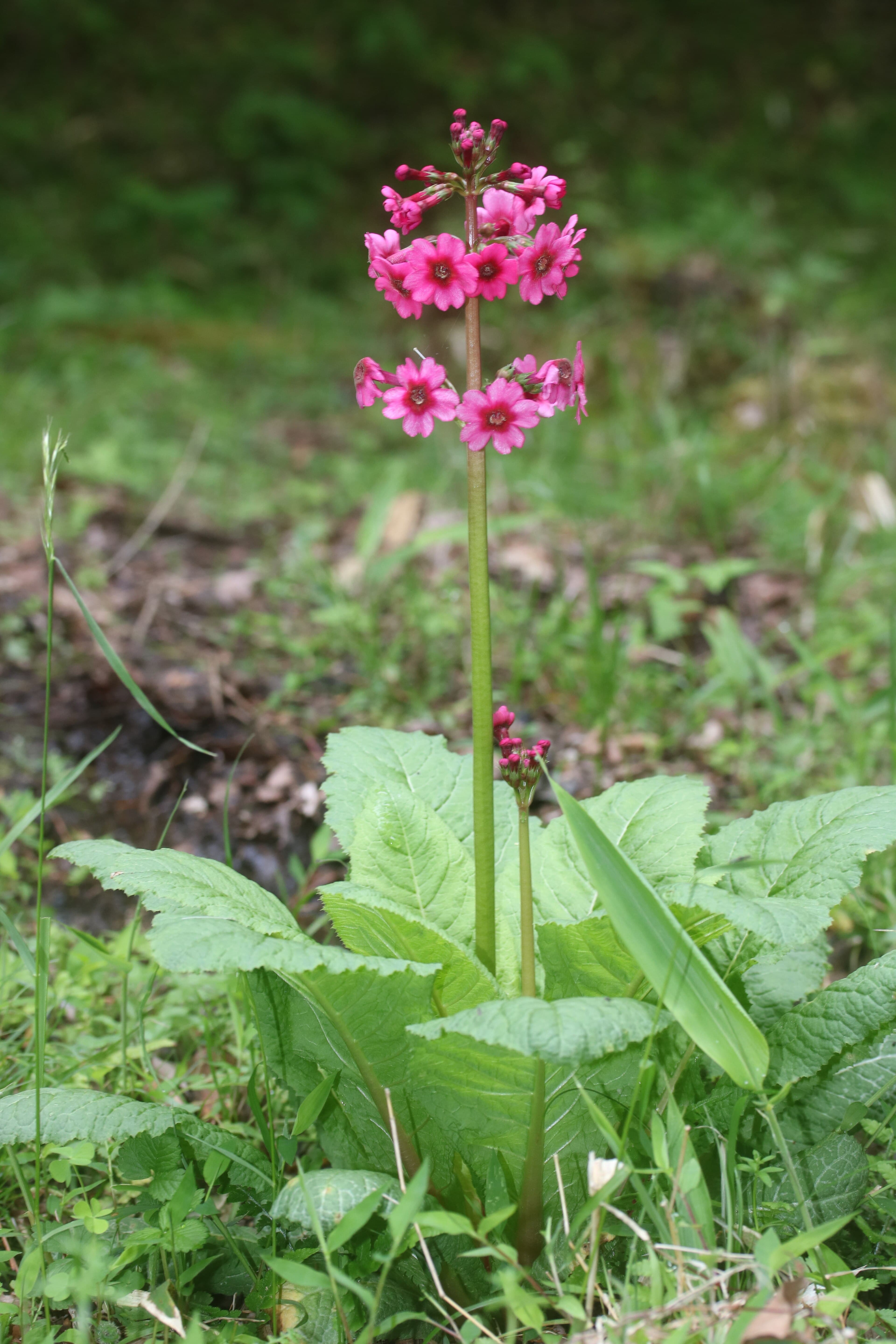
Japanese primrose
Primula japonica
Dutch: Japanse sleutelbloem
Japanse sleutelbloem (Primula japonica) is a perennial from the Primulaceae family that grows up to 60cm tall. This plant thrives in partial shade to shade and requires moderate maintenance. Blooms in late spring and early summer with pink, white, red flowers and attracts bees and butterflies.
40–60 cm
25–35 cm
partial shade, full shade
high water needs
loam, clay soil, peat soil
moderate maintenance
late spring, early summer
pink, white, red
Ecologische waarde
Verzorgingskalender
| Taak | Jan | Feb | Mrt | Apr | Mei | Jun | Jul | Aug | Sep | Okt | Nov | Dec |
|---|---|---|---|---|---|---|---|---|---|---|---|---|
| 🌱Planten | ||||||||||||
| ✂️Snoeien | ||||||||||||
| 💧Bemesten |
Care tips
Planting
Japanese primrose (Primula japonica) thrives in cool, damp conditions and is ideal for bog gardens, pond margins, or any reliably moist spot in partial to full shade. Plant in March, April, September, or October when the soil is workable and temperatures are moderate. Autumn planting allows roots to establish before winter, while spring planting suits areas with heavy clay that stays cold and wet. Choose a position sheltered from hot afternoon sun, which can scorch the foliage and dry out the soil too quickly. The soil should be moisture-retentive and rich in organic matter—loam, clay, or peat-based soils are all suitable. Before planting, dig in plenty of well-rotted compost or leaf mould to improve structure and water-holding capacity, especially if your soil is on the lighter side. Space plants 30 cm apart to allow for their eventual spread of 25–35 cm. Dig a hole slightly larger than the root ball and plant at the same depth the primrose was growing in its pot; the crown should sit just at soil level, not buried. Firm the soil gently around the roots to eliminate air pockets. Water thoroughly immediately after planting, even if the soil already feels damp. Japanese primrose will not tolerate drying out, particularly in the first few weeks as roots establish. Apply a 5 cm layer of organic mulch such as leaf mould or composted bark around (but not touching) the crown to help retain moisture and suppress weeds. Keep the soil consistently moist throughout the first growing season, checking regularly during any dry spells.
Pruning
Japanese primrose does not require structural pruning in the way a shrub does, but regular deadheading and tidying will keep plants healthy and looking their best. The main pruning window falls in July and August, after the flowering period has finished in early summer. Once the tiered flower stems (candelabra) have faded, cut them back to the base of the plant using secateurs or sharp scissors. Removing spent flower stalks prevents the plant from putting energy into seed production and encourages the foliage to remain lush. If you want the primrose to self-seed—and Primula japonica does so readily in damp conditions—leave a few flower stems intact until the seed capsules have ripened and dispersed, then cut them away. In late summer or early autumn, remove any yellowing, damaged, or slug-eaten leaves to improve air circulation around the crown and reduce the risk of fungal problems. Cut these leaves off cleanly at the base. The evergreen or semi-evergreen rosette of leaves usually persists through winter in milder areas, though it may die back partially in colder zones. Avoid cutting back healthy green foliage in autumn, as the leaves help protect the crown over winter. In early spring, before new growth begins, tidy away any remaining dead or tatty leaves from the previous year. This is also a good moment to check for slug damage and apply fresh mulch. No special tools are needed beyond a clean pair of secateurs and garden gloves to protect your hands.
Maintenance
Japanese primrose has high water needs and will not tolerate dry soil at any time of year. Water regularly from spring through autumn, especially during dry spells, ensuring the soil remains consistently moist but not waterlogged. In summer, check the soil every few days; plants growing in full sun or lighter soils will need more frequent watering. In winter, natural rainfall is usually sufficient, but water during prolonged dry periods if the ground isn't frozen. Feed in March, April, and May to support strong growth and abundant flowering. Apply a balanced liquid fertiliser every three to four weeks, or scatter a slow-release granular feed around the base of the plant in early spring. Avoid high-nitrogen feeds, which promote leaf growth at the expense of flowers. A spring mulch of well-rotted compost or leaf mould will also provide gentle, steady nutrition. Japanese primrose is hardy in zones 5–8 and requires no special winter protection in temperate Europe. The crown may die back partially in harsh winters but will regenerate in spring. Ensure good drainage to prevent waterlogging and crown rot during wet winters, though the soil must still remain moist. Slugs and snails are the main pests, particularly in spring when new leaves emerge. Check regularly and use organic pellets, copper tape, or hand-pick in the evening. Vine weevil larvae can damage roots; look for notched leaf edges as a sign of adult activity. Primrose can suffer from grey mould (botrytis) in damp, poorly ventilated conditions—remove affected leaves promptly and thin overcrowded clumps every three to four years by division in early spring or autumn.
More about this plant
Combines well with
Related guides
Japanese primrose in your garden design?
Make a free garden design with AI advice. Our AI knows Japanese primrose and 130+ other plants.
Start free design