Caring for Knotted cranesbill
Complete guide — Geranium nodosum
knotted cranesbill needs low maintenance, a position in partial shade or full shade on loam / sandy soil / clay soil and low water needs.
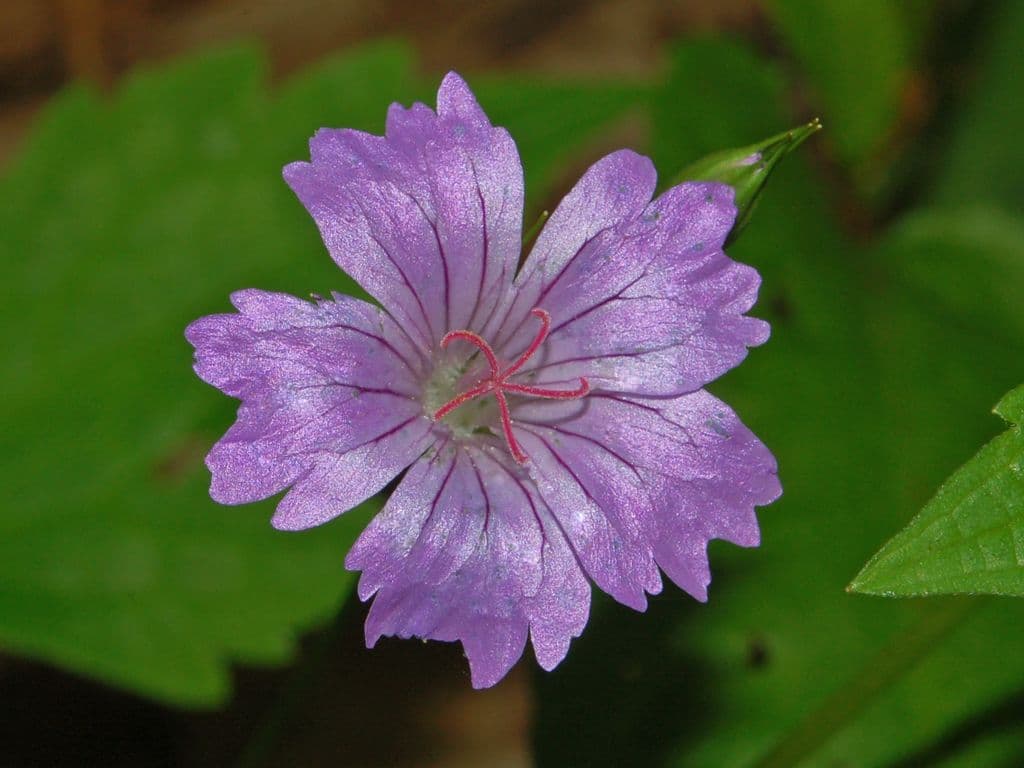
Position
partial shade, full shade
loam, sandy soil, clay soil
low water needs
Feeding
Feed in March and April.
Year-round care
Once established, Geranium nodosum has low water needs and tolerates dry shade better than many perennials, though it will look its best with occasional watering during prolonged dry spells in summer. Water newly planted specimens regularly through their first growing season to help roots establish, then reduce frequency. In typical temperate European conditions, rainfall is usually sufficient, but if the soil dries out completely and foliage begins to wilt, give the plant a thorough soak. Feed lightly in March or April as growth resumes. A general-purpose granular fertiliser such as blood, fish and bone, scattered around the base at a handful per square metre, is ample. Alternatively, apply a 3–5 cm mulch of garden compost or leaf mould, which feeds the soil gently and mimics the plant's natural woodland habitat. Avoid high-nitrogen feeds, which promote soft, lush growth at the expense of flowers. Geranium nodosum is fully hardy in zones 5–8 and requires no special winter protection in the UK, Netherlands, Belgium, or Ireland. Its evergreen foliage persists through winter, providing year-round interest. Mulch around the crown in autumn to insulate roots and suppress weeds. Pests and diseases are rarely a problem. Occasionally, vine weevil larvae may damage roots in container-grown plants, and powdery mildew can appear in very dry conditions or overcrowded clumps. Ensure good air circulation and divide congested plants every three to four years in spring or autumn to maintain vigour. This geranium self-seeds modestly but is never invasive.


