Caring for Lupin
Complete guide — Lupinus polyphyllus
lupin needs moderate maintenance, a position in full sun or partial shade on sandy soil / loam and moderate.
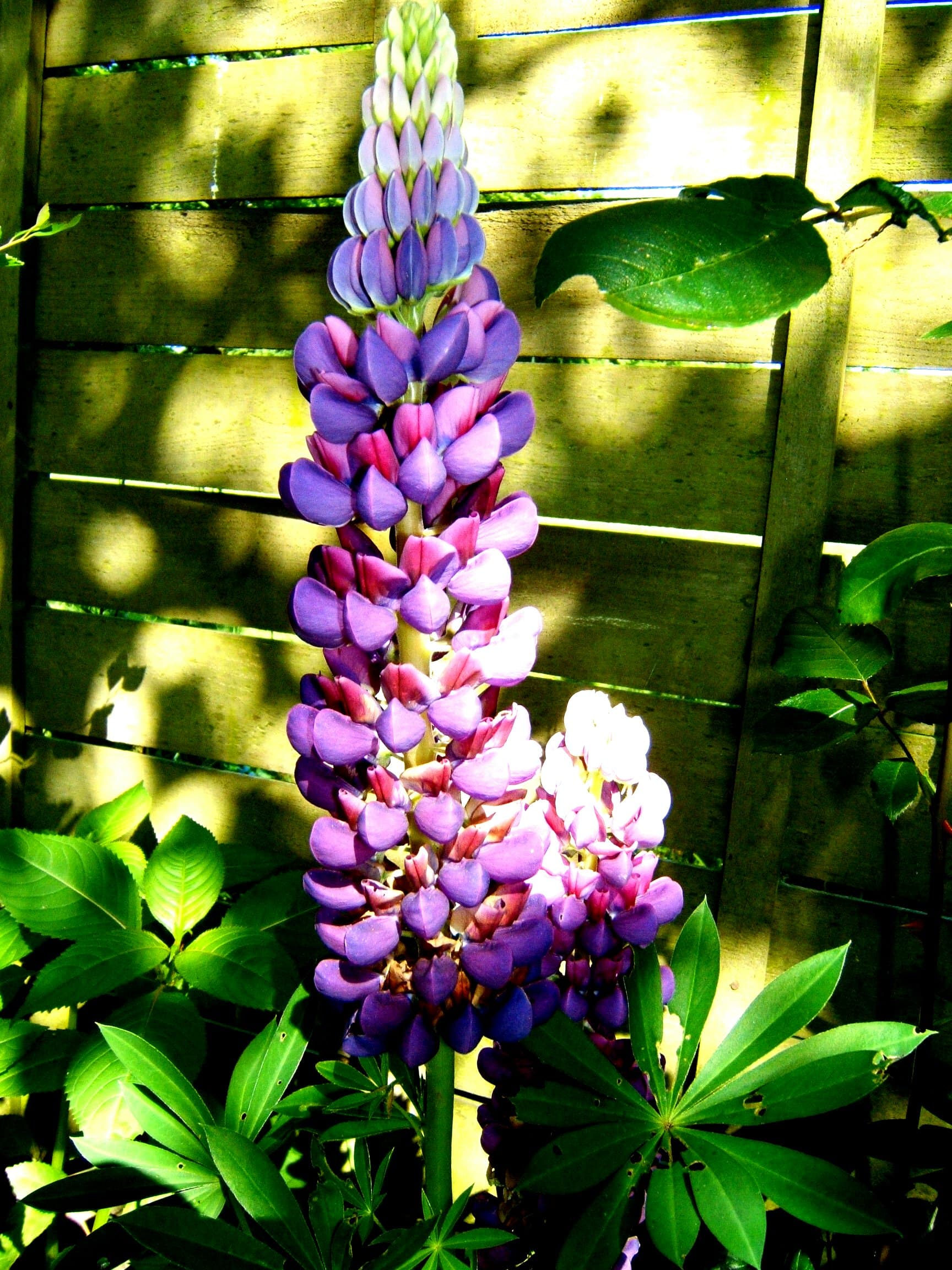
Position
full sun, partial shade
sandy soil, loam
moderate
Feeding
Feed in March and April.
Year-round care
Water lupins regularly during their first growing season to help establish the deep taproot, especially in dry spells. Once established, they have moderate water needs; water deeply during prolonged dry periods in spring and summer, particularly when buds are forming and during flowering. Reduce watering in autumn and winter, as lupins are dormant and excess moisture around the crown can cause rot. Feed in March and April as new growth emerges. Apply a balanced general-purpose fertiliser such as blood, fish and bone or a slow-release granular feed, scattering it around the base of the plant and watering in. Avoid high-nitrogen fertilisers, as lupins fix their own nitrogen through root nodules and too much can promote leafy growth at the expense of flowers. A light top-dressing of compost in early spring is also beneficial. Lupins are fully hardy in zones 4–8 and need no special winter protection in temperate Europe. Mulch around the base in autumn with compost or bark to suppress weeds and retain moisture, but keep mulch away from the crown. Common problems include aphids, which cluster on young shoots and flower spikes in spring—hose them off or use an insecticidal soap. Lupin anthracnose, a fungal disease causing brown spots on leaves and stems, can be serious; remove and destroy affected foliage promptly and avoid overhead watering. Powdery mildew may appear in dry summers; improve air circulation and water at the base. Slugs and snails target young foliage in spring, so use barriers or organic pellets if necessary.


