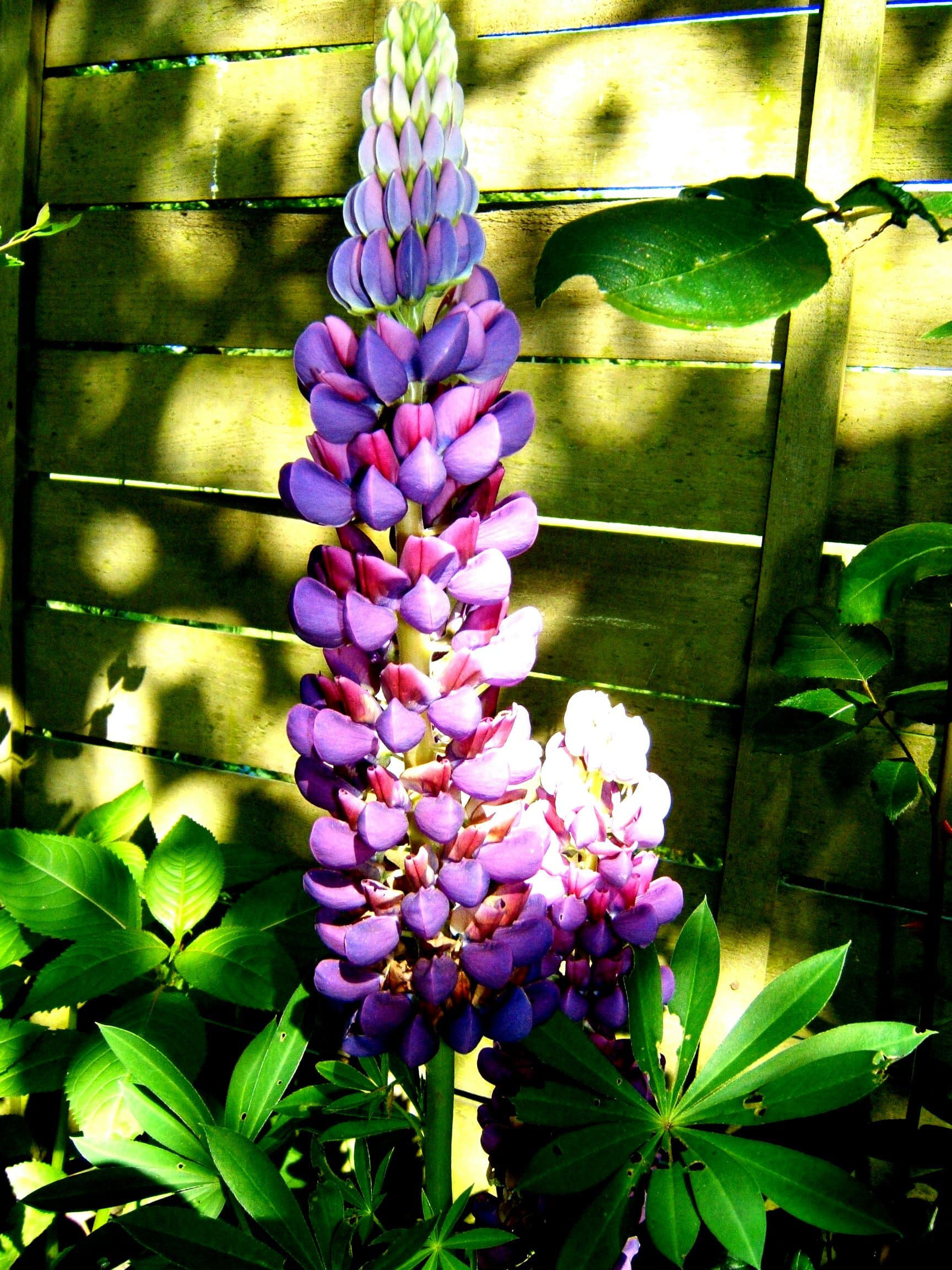
Lupine
Lupinus
Dutch: Lupine (Lupinus)
Lupine (Lupinus) (Lupinus) is a perennial from the Fabaceae family that grows up to 120cm tall. This plant thrives in full sun to partial shade and requires low maintenance. Blooms in late spring and early summer and summer with white, yellow, orange, pink, red, purple, blue flowers and attracts bees and butterflies.
60–120 cm
30–60 cm
full sun, partial shade
moderate
sandy soil, loam
low maintenance
late spring, early summer, summer
white, yellow, orange, pink, red, purple, blue
Ecologische waarde
Verzorgingskalender
| Taak | Jan | Feb | Mrt | Apr | Mei | Jun | Jul | Aug | Sep | Okt | Nov | Dec |
|---|---|---|---|---|---|---|---|---|---|---|---|---|
| 🌱Planten | ||||||||||||
| ✂️Snoeien | ||||||||||||
| 💧Bemesten |
Care tips
Planting
Lupins thrive in full sun or partial shade and prefer well-drained, slightly acidic to neutral soil. They perform best in sandy soil or loam that doesn't become waterlogged, as they're prone to root rot in heavy, wet conditions. Avoid chalky or alkaline soils, which can cause yellowing foliage and poor growth. Before planting, dig over the site and remove weeds, but don't add manure or compost—lupins are members of the pea family and fix their own nitrogen, so rich soil encourages leafy growth at the expense of flowers. Plant lupins in March, April, September, or October. If you're planting container-grown perennials, spring is ideal, but autumn planting works well too, giving roots time to establish before winter. Space plants 45 cm apart to allow for their mature spread of 30–60 cm. Dig a hole slightly larger than the root ball, position the plant so the crown sits level with the soil surface, and backfill carefully. Firm the soil gently around the base. If you're sowing lupins from seed, scarify the hard seed coat by rubbing it lightly with sandpaper or nicking it with a knife to improve germination. Sow seeds directly outdoors in March or April, about 2 cm deep, or start them in pots and transplant seedlings once they have a few true leaves. Lupins develop a deep taproot and dislike root disturbance, so handle young plants carefully. Water newly planted lupins thoroughly to settle the soil, then water regularly during dry spells for the first few months. A light mulch around the base helps retain moisture and suppress weeds, but keep it clear of the crown to prevent rot.
Pruning
Lupins don't require heavy pruning, but timely deadheading and cutting back will keep plants tidy, encourage a second flush of flowers, and prevent unwanted self-seeding. The main pruning window is August and September, after the initial flowering period in late spring and early summer. Once the first flower spikes fade, cut them back to just above a set of side shoots or leaves. This deadheading often stimulates the plant to produce smaller secondary spikes later in summer, extending the display. If you want lupins to self-seed, leave a few spent flower heads in place—they'll develop into furry seed pods that split open when ripe. Be aware that seedlings from hybrid lupins rarely come true to the parent's colour, so you may get a mixed palette. In August or September, after flowering has completely finished, cut the entire plant back to the basal rosette of leaves at ground level. This tidies the clump, reduces the risk of fungal diseases over winter, and helps the plant channel energy into the roots. Use clean, sharp secateurs or garden shears for the job. In early spring, as new growth emerges, remove any dead or damaged foliage from the previous year. Lupins are generally short-lived perennials, often declining after three to five years. If your clump becomes woody or flowers poorly, it's usually better to replace it with fresh plants or seedlings rather than attempting rejuvenation pruning. Tall varieties may need staking in exposed sites, especially when laden with flowers, so insert supports in spring before the stems reach full height.
Maintenance
Lupins have moderate water needs and cope reasonably well with dry spells once established, thanks to their deep taproots. Water regularly during prolonged dry periods in spring and summer, especially while plants are flowering, but avoid overwatering—soggy soil encourages root and crown rot. In autumn and winter, natural rainfall is usually sufficient. Feed lupins sparingly. As nitrogen-fixing legumes, they don't need rich feeding and can actually suffer from too much fertiliser, which promotes lush foliage at the expense of flowers. A light application of a balanced general-purpose fertiliser or a low-nitrogen feed in March or April, as growth begins, is enough. Avoid high-nitrogen feeds altogether. A top-dressing of garden compost or well-rotted manure around (but not touching) the crown in early spring can be beneficial on poor soils, but isn't essential. Lupins are fully hardy in zones 4–8 and need no special winter protection in temperate Europe. In autumn, cut back spent growth as described in the pruning section, and clear away debris to reduce overwintering pests and diseases. The main pest problem is aphids, which cluster on young shoots and flower spikes in spring. Check plants regularly and squash colonies by hand, or spray with an insecticide if necessary. Slugs and snails can damage emerging shoots in spring—use barriers, traps, or pellets to protect new growth. Lupin anthracnose and powdery mildew are the most common diseases, causing brown spots and white fungal growth respectively. Remove affected leaves promptly, improve air circulation by spacing plants properly, and avoid overhead watering. Mulch lightly in spring to suppress weeds and retain moisture, but keep mulch away from the crown.
More about this plant
Combines well with
Related guides
Lupine in your garden design?
Make a free garden design with AI advice. Our AI knows Lupine and 130+ other plants.
Start free design