Lupine in May: monthly care
Month-by-month care — Lupinus
In May your lupine needs attention: watch the bloom.
- Blooms
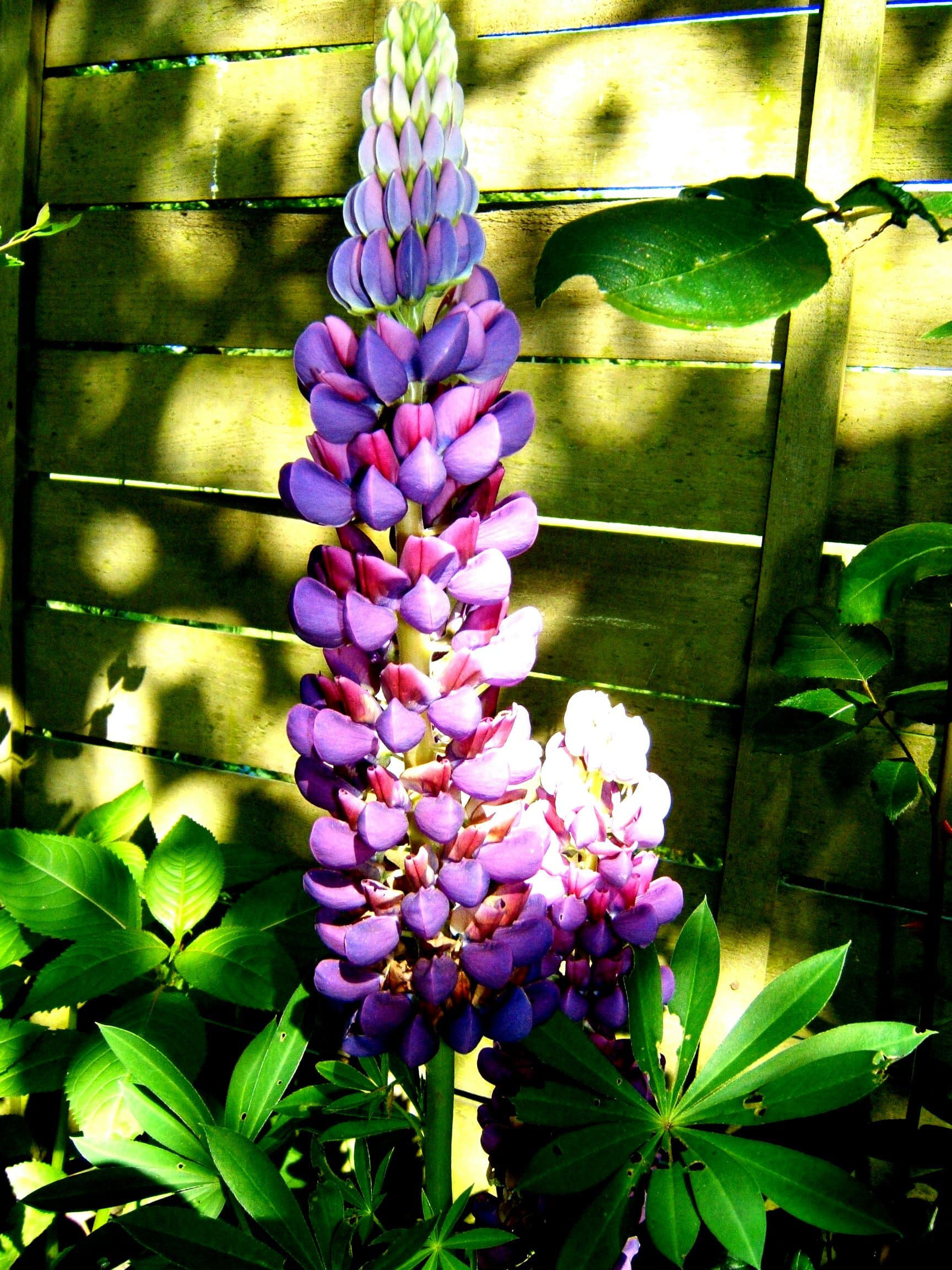
What to do this May
Lupins have moderate water needs and cope reasonably well with dry spells once established, thanks to their deep taproots. Water regularly during prolonged dry periods in spring and summer, especially while plants are flowering, but avoid overwatering—soggy soil encourages root and crown rot. In autumn and winter, natural rainfall is usually sufficient. Feed lupins sparingly. As nitrogen-fixing legumes, they don't need rich feeding and can actually suffer from too much fertiliser, which promotes lush foliage at the expense of flowers. A light application of a balanced general-purpose fertiliser or a low-nitrogen feed in March or April, as growth begins, is enough. Avoid high-nitrogen feeds altogether. A top-dressing of garden compost or well-rotted manure around (but not touching) the crown in early spring can be beneficial on poor soils, but isn't essential. Lupins are fully hardy in zones 4–8 and need no special winter protection in temperate Europe. In autumn, cut back spent growth as described in the pruning section, and clear away debris to reduce overwintering pests and diseases. The main pest problem is aphids, which cluster on young shoots and flower spikes in spring. Check plants regularly and squash colonies by hand, or spray with an insecticide if necessary. Slugs and snails can damage emerging shoots in spring—use barriers, traps, or pellets to protect new growth. Lupin anthracnose and powdery mildew are the most common diseases, causing brown spots and white fungal growth respectively. Remove affected leaves promptly, improve air circulation by spacing plants properly, and avoid overhead watering. Mulch lightly in spring to suppress weeds and retain moisture, but keep mulch away from the crown.