Masterwort 'Roma' in November: monthly care
Month-by-month care — Astrantia major 'Roma'
In November your masterwort 'Roma' needs attention: prune.
- Prune
What to do this November
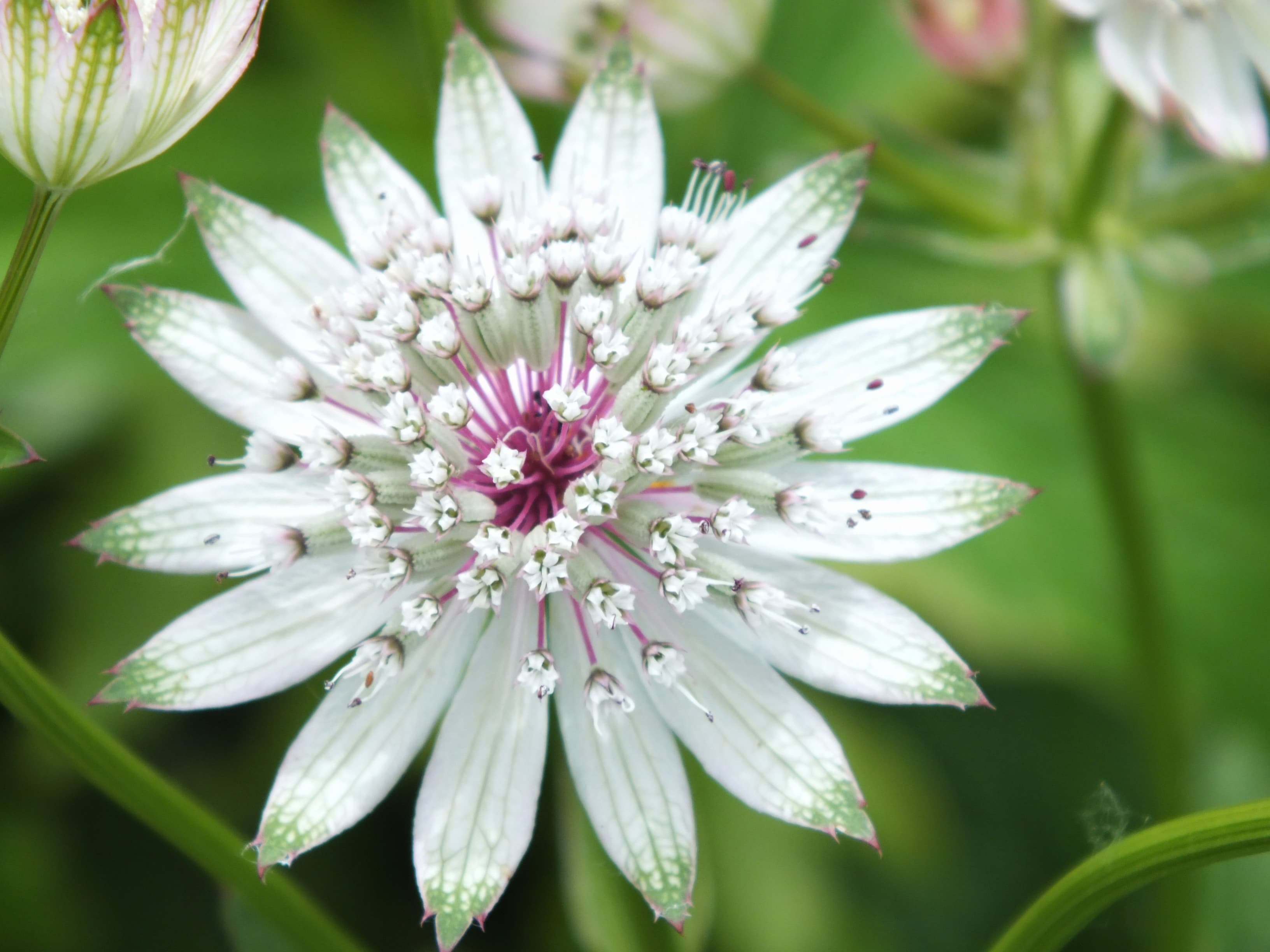
Astrantia major 'Roma' requires minimal pruning, but a couple of well-timed interventions will keep it flowering longer and looking tidy. The main task is deadheading. Once the first flush of flowers fades in mid to late summer, cut back the spent flower stems to just above the basal foliage. This encourages a second, smaller flush of blooms in late summer or early autumn and prevents the plant from putting energy into seed production. Use clean secateurs or garden snips and remove the entire flowering stem rather than just the flower head. In November, after flowering has finished and the foliage begins to die back, cut down all the old stems and leaves to ground level. This autumn tidy-up reduces the risk of fungal diseases overwintering in dead foliage and keeps the border looking neat. Alternatively, if you prefer to leave some structure for winter interest or to provide habitat for insects, delay this cut-back until March, just before new growth emerges. Either timing works well; choose based on your garden style and local slug pressure, as slugs can shelter in old foliage. In early March, whether or not you've already cut back in autumn, remove any remaining dead material and check for emerging shoots. Astrantias are clump-forming perennials, and if your plant becomes congested after three or four years, you can lift and divide it in March or April. This isn't pruning as such, but it rejuvenates flowering and gives you extra plants. Simply dig up the clump, tease or cut it into sections with healthy roots and shoots, and replant immediately.