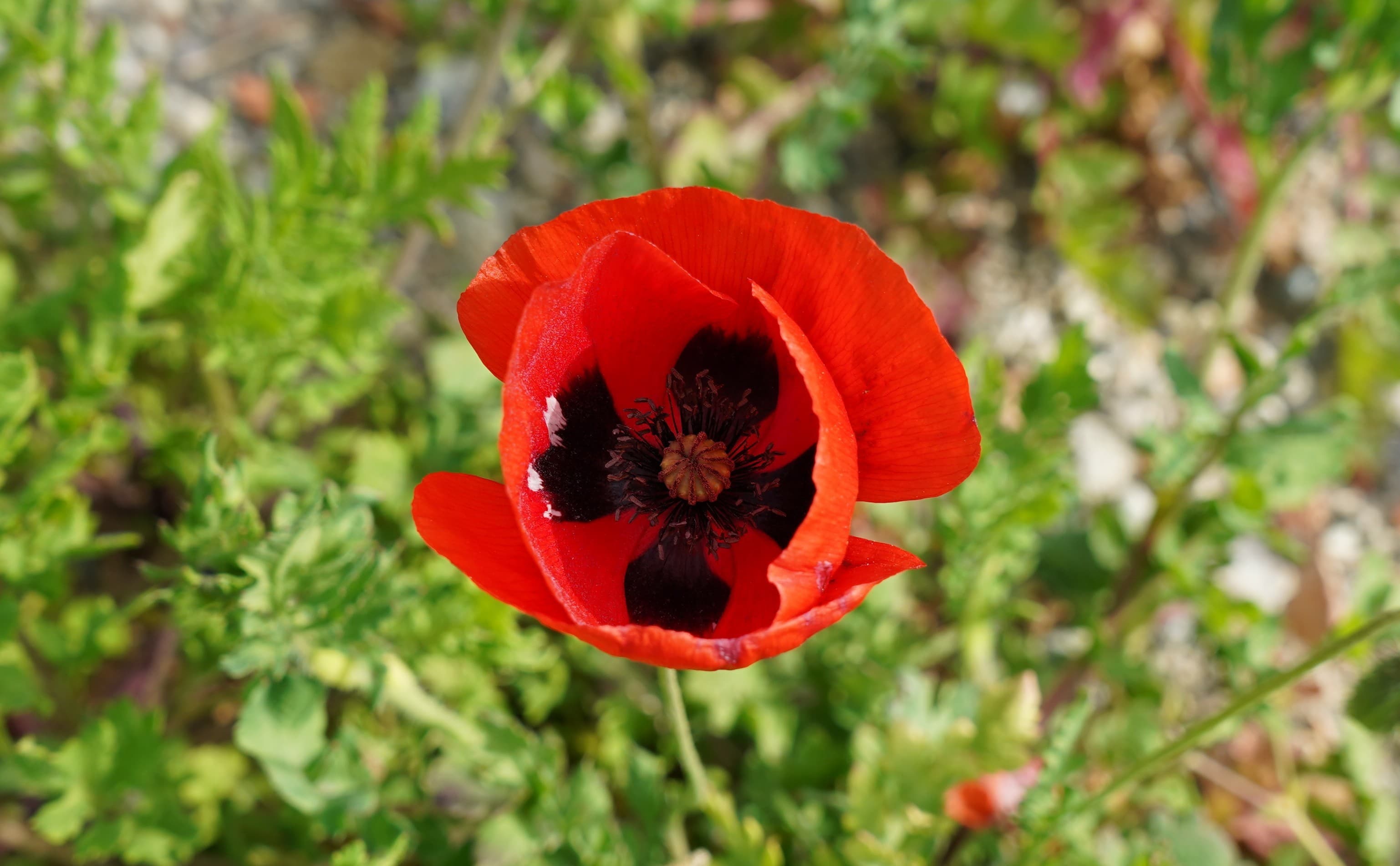
Oriental poppy
Papaver orientale
Dutch: Papaver
Papaver (Papaver orientale) is a perennial from the Papaveraceae family that grows up to 90cm tall. This plant thrives in full sun to partial shade and requires low maintenance. Blooms in late spring and early summer with red, orange, pink flowers and attracts bees and butterflies.
60–90 cm
40–60 cm
full sun, partial shade
moderate
loam, sandy soil, chalky soil
low maintenance
late spring, early summer
red, orange, pink
Ecologische waarde
Verzorgingskalender
| Taak | Jan | Feb | Mrt | Apr | Mei | Jun | Jul | Aug | Sep | Okt | Nov | Dec |
|---|---|---|---|---|---|---|---|---|---|---|---|---|
| 🌱Planten | ||||||||||||
| ✂️Snoeien | ||||||||||||
| 💧Bemesten |
Care tips
Planting
Oriental poppies (Papaver orientale) are best planted in March, April, September or October, when the soil is workable and temperatures are moderate. Choose a site in full sun for the strongest stems and most abundant flowers, though they will tolerate partial shade. The soil must drain freely—oriental poppies are prone to rot in waterlogged conditions. They thrive in loam, sandy soil or chalky soil, and are particularly happy on alkaline ground. Prepare the planting area by digging in plenty of grit or sharp sand if your soil is heavy clay, to improve drainage. Work in a handful of general-purpose fertiliser or well-rotted compost to give young plants a good start. Dig a hole slightly larger than the root ball, and plant so the crown sits at soil level—burying it too deeply encourages rot. Space plants 45 cm apart to allow for their mature spread of 40–60 cm and to ensure good air circulation, which helps prevent mildew. After planting, firm the soil gently around the roots and water in well to settle them. Apply a thin mulch of grit or gravel around the base of the plant, keeping it clear of the crown itself. This helps suppress weeds and keeps the neck of the plant dry. Avoid organic mulches like bark, which can hold too much moisture against the crown. Water regularly for the first few weeks until the plants are established, but do not overwater. Oriental poppies develop deep taproots and dislike disturbance once settled, so choose your planting spot carefully—they are best left in place for many years.
Pruning
Oriental poppies do not require traditional pruning, but they do need specific attention in July and August after flowering finishes. Once the flamboyant blooms fade and the distinctive pepper-pot seed heads have formed, the entire plant dies back to ground level. The foliage becomes tatty, yellows and collapses, often leaving an unsightly gap in the border by midsummer. This dormancy is completely natural and the plant is not dead. In July or early August, cut back all the spent stems and foliage to ground level using secateurs or garden shears. Remove the debris to keep the border tidy and reduce the risk of fungal disease. This die-back is the plant's strategy for surviving hot, dry summers in its native habitat. After a few weeks of dormancy, fresh basal leaves will emerge in late summer or early autumn, forming a low rosette that persists through winter and into the following spring. If you want to collect seed, leave a few seed heads to ripen fully before cutting back, then shake the ripe seed into a paper bag. Be aware that named cultivars rarely come true from seed. Deadheading individual flowers as they fade in late spring will not prevent the plant's summer dormancy, but it does tidy the appearance briefly and may marginally extend the flowering period. The key task is the July–August cut-back: it keeps the plant healthy, makes space for late-summer plantings nearby, and allows the autumn foliage to develop cleanly without competition from dead stems.
Maintenance
Oriental poppies are low-maintenance perennials once established, thanks to their deep taproots. Water moderately during spring growth and flowering, especially in dry spells, to support strong stems and large blooms. Once the plant goes dormant in midsummer, watering is unnecessary. When the new autumn foliage appears, resume occasional watering if the weather is dry, but always err on the side of less rather than more—soggy soil in autumn and winter can rot the crown. Feed in March or April as new growth emerges, using a general-purpose granular fertiliser such as blood, fish and bone or Growmore, scattered around the base of the plant and lightly forked in. A single spring feed is sufficient; avoid high-nitrogen fertilisers, which promote soft, floppy growth at the expense of flowers. Do not feed after flowering. Oriental poppies are fully hardy to zone 3 and need no winter protection in temperate Europe. The autumn rosette of leaves remains visible through winter and should be left in place. Mulch around (but not over) the crown with grit in autumn to keep the neck dry and reduce the risk of rot during wet winters. Pests are rarely a problem. Aphids may cluster on young stems in spring; squash them by hand or tolerate them, as they seldom cause lasting harm. Powdery mildew can appear on foliage in dry conditions, particularly before the summer die-back; it is unsightly but not serious. Good spacing and air circulation help prevent it. Slugs occasionally nibble emerging shoots in early spring—use your preferred control method if damage is severe.
More about this plant
Combines well with
Related guides
Oriental poppy in your garden design?
Make a free garden design with AI advice. Our AI knows Oriental poppy and 130+ other plants.
Start free design