Russian sage in October: monthly care
Month-by-month care — Perovskia atriplicifolia
In October your russian sage needs attention: plant / sow.
- Plant / sow
What to do this October
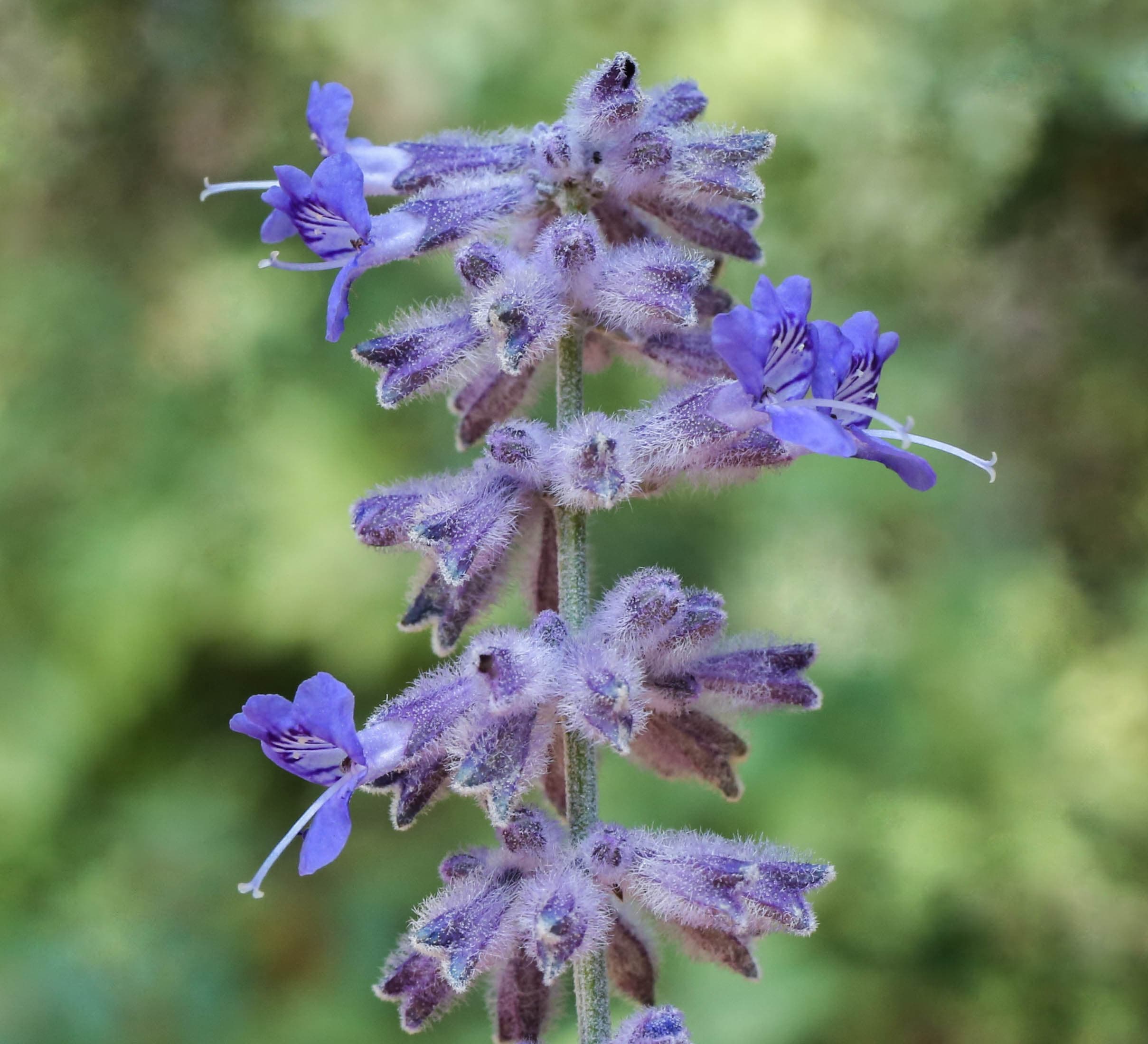
Russian sage thrives in full sun and free-draining soil, making it an excellent choice for hot, dry spots where many other perennials struggle. Choose a position that receives at least six hours of direct sunlight daily; shade will result in weak, floppy growth and reduced flowering. The plant tolerates sandy soil, loam, and chalky soil equally well, but drainage is critical—waterlogged roots in winter will kill it. Prepare the planting area by digging in grit or horticultural sand if your soil is heavy clay, aiming to improve drainage rather than fertility. Russian sage actually performs better in lean soil; overly rich conditions produce lush foliage at the expense of flowers and can make stems flop. Dig a hole roughly twice the width of the root ball and the same depth, so the crown sits level with the surrounding soil surface. Planting too deep encourages stem rot. Plant in March, April or May for the best establishment before summer, or in September and October if your soil drains freely and winters are not excessively wet. Space plants 60 cm apart; they will fill out to 60–90 cm wide by their second or third season. After planting, firm the soil gently around the roots and water in thoroughly to settle them. A 5 cm layer of gravel or grit mulch around the base helps suppress weeds and keeps the crown dry, which is especially useful on heavier soils. Avoid organic mulches like compost or bark, which retain moisture and can encourage rot. Newly planted Russian sage needs regular watering for the first few weeks, but once established it requires very little attention.