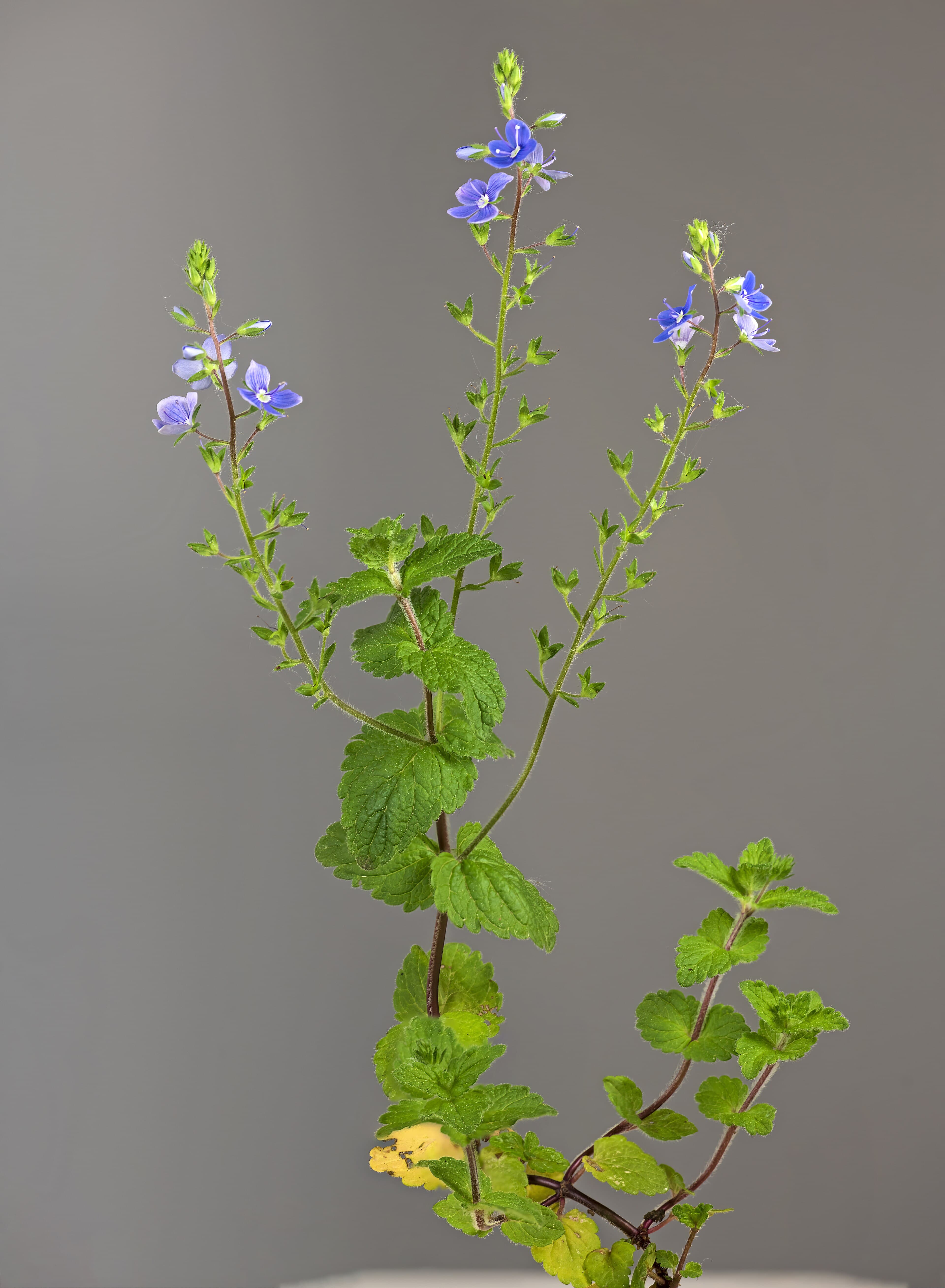
Spiked speedwell
Veronica spicata
Dutch: Ereprijs
Ereprijs (Veronica spicata) is a native to the Netherlands perennial from the Plantaginaceae family that grows up to 60cm tall. This plant thrives in full sun to partial shade and requires low maintenance. Blooms in early summer and summer and late summer with blue, purple flowers and attracts bees and butterflies.
30–60 cm
30–45 cm
full sun, partial shade
moderate
loam, sandy soil, chalky soil
low maintenance
early summer, summer, late summer
blue, purple
Ecologische waarde
Verzorgingskalender
| Taak | Jan | Feb | Mrt | Apr | Mei | Jun | Jul | Aug | Sep | Okt | Nov | Dec |
|---|---|---|---|---|---|---|---|---|---|---|---|---|
| 🌱Planten | ||||||||||||
| ✂️Snoeien | ||||||||||||
| 💧Bemesten |
Care tips
Planting
Veronica spicata thrives in full sun but tolerates partial shade, though flowering may be less prolific in shadier spots. Choose a site with well-drained soil; it adapts happily to loam, sandy soil, or chalky conditions, making it a versatile choice for most gardens. Good drainage is more important than soil richness—waterlogged ground in winter can cause root rot. Plant in spring (March to May) or autumn (September to October). Spring planting gives the roots a full growing season to establish, while autumn planting works well if your soil drains freely and winters are not excessively wet. Prepare the soil by removing weeds and digging in a little garden compost or well-rotted manure if your ground is very poor, but avoid over-enriching—veronica spicata tolerates lean conditions and too much fertility encourages floppy growth. Dig a hole slightly larger than the root ball and set the plant at the same depth it sat in its pot. Space plants 35 cm apart to allow for their mature spread of 30–45 cm and ensure good air circulation, which helps prevent mildew. Firm the soil gently around the roots and water in thoroughly to settle the plant and eliminate air pockets. After planting, apply a light mulch of garden compost or bark chips to suppress weeds and retain moisture while the roots establish. Water regularly for the first few weeks, especially if planting in spring or during dry spells, but avoid keeping the soil constantly wet. Once settled, veronica spicata is fairly drought-tolerant and requires little fuss.
Pruning
Veronica spicata does not require heavy pruning, but timely deadheading and a light tidy-up will keep plants looking good and encourage further flowering. The main pruning window runs from July to September, coinciding with and following the flowering period that stretches from early summer through to late summer. Deadhead spent flower spikes regularly throughout the flowering season by cutting them back to just above a set of leaves or side shoots. This not only keeps the plant tidy but often stimulates a second, smaller flush of blooms later in summer or early autumn. Use secateurs or sharp scissors for a clean cut—ragged tears can invite disease. In late summer or early September, once the main flowering has finished, cut back the flowering stems by about half to two-thirds. This prevents the plant from becoming leggy and encourages a compact, bushy shape. If you prefer a more naturalistic look or want to leave seed heads for wildlife and winter interest, you can delay this cut-back until late autumn or early spring, though the plant may look scruffier over winter. In early spring, before new growth begins in earnest, tidy up any remaining dead or damaged stems and remove old foliage. This is also a good moment to divide congested clumps every three to four years to maintain vigour. Simply lift the plant, tease or cut the root ball into sections, and replant. No specialist tools are needed—secateurs and a sharp spade are sufficient for all veronica spicata pruning tasks.
Maintenance
Veronica spicata is a low-maintenance perennial once established. Water regularly during the first growing season to help roots settle, but thereafter it copes well with moderate moisture and tolerates short dry spells. In prolonged summer drought, water deeply once a week rather than little and often, which encourages deeper rooting. Avoid overhead watering where possible, as wet foliage can encourage powdery mildew, the most common issue with this plant. Feed lightly in March or April with a balanced general-purpose fertiliser or a handful of blood, fish and bone scattered around the base of the plant. Veronica spicata does not need heavy feeding—over-fertilising leads to soft, floppy growth and fewer flowers. A light spring feed is sufficient for the season. Mulch around plants in spring with garden compost or well-rotted manure to suppress weeds and retain soil moisture, but keep mulch clear of the crown to prevent rot. Veronica spicata is fully hardy across zones 3–8 and needs no winter protection in temperate Europe. It dies back to ground level in autumn and reappears reliably in spring. Powdery mildew can appear as a white coating on leaves, especially in dry summers or where air circulation is poor. Improve spacing, avoid overhead watering, and remove affected foliage promptly. Slugs and snails may nibble young shoots in spring; use organic pellets, barriers, or hand-pick in the evening if damage is significant. Otherwise, pests and diseases rarely trouble this robust plant. Every few years, divide clumps in spring or autumn to maintain vigour and prevent the centre from dying out.
More about this plant
Combines well with
Related guides
Spiked speedwell in your garden design?
Make a free garden design with AI advice. Our AI knows Spiked speedwell and 130+ other plants.
Start free design