Caring for Spiked speedwell
Complete guide — Veronica spicata
spiked speedwell needs low maintenance, a position in full sun or partial shade on loam / sandy soil / chalky soil and moderate.
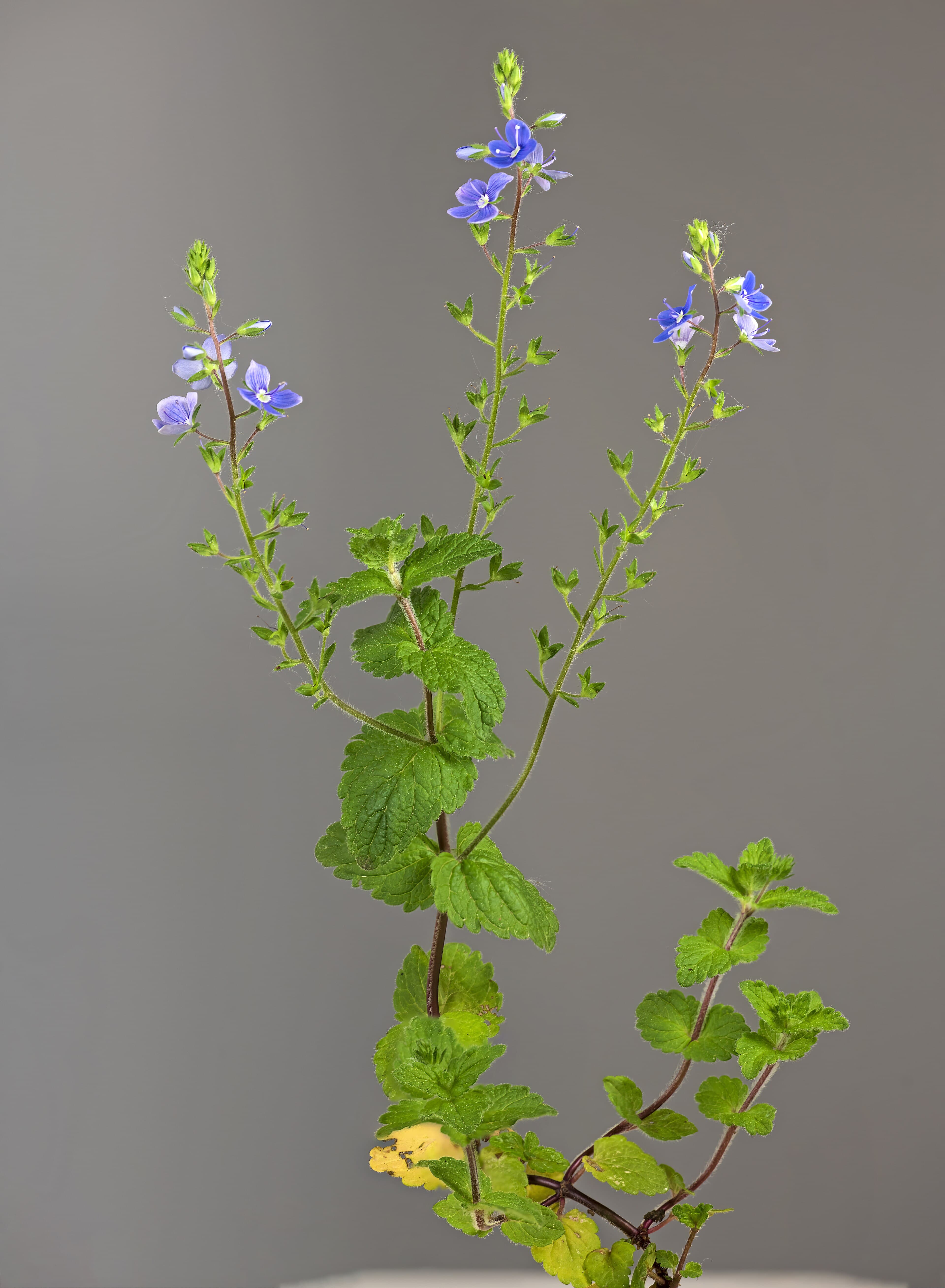
Position
full sun, partial shade
loam, sandy soil, chalky soil
moderate
Feeding
Feed in March and April.
Year-round care
Veronica spicata is a low-maintenance perennial once established. Water regularly during the first growing season to help roots settle, but thereafter it copes well with moderate moisture and tolerates short dry spells. In prolonged summer drought, water deeply once a week rather than little and often, which encourages deeper rooting. Avoid overhead watering where possible, as wet foliage can encourage powdery mildew, the most common issue with this plant. Feed lightly in March or April with a balanced general-purpose fertiliser or a handful of blood, fish and bone scattered around the base of the plant. Veronica spicata does not need heavy feeding—over-fertilising leads to soft, floppy growth and fewer flowers. A light spring feed is sufficient for the season. Mulch around plants in spring with garden compost or well-rotted manure to suppress weeds and retain soil moisture, but keep mulch clear of the crown to prevent rot. Veronica spicata is fully hardy across zones 3–8 and needs no winter protection in temperate Europe. It dies back to ground level in autumn and reappears reliably in spring. Powdery mildew can appear as a white coating on leaves, especially in dry summers or where air circulation is poor. Improve spacing, avoid overhead watering, and remove affected foliage promptly. Slugs and snails may nibble young shoots in spring; use organic pellets, barriers, or hand-pick in the evening if damage is significant. Otherwise, pests and diseases rarely trouble this robust plant. Every few years, divide clumps in spring or autumn to maintain vigour and prevent the centre from dying out.


