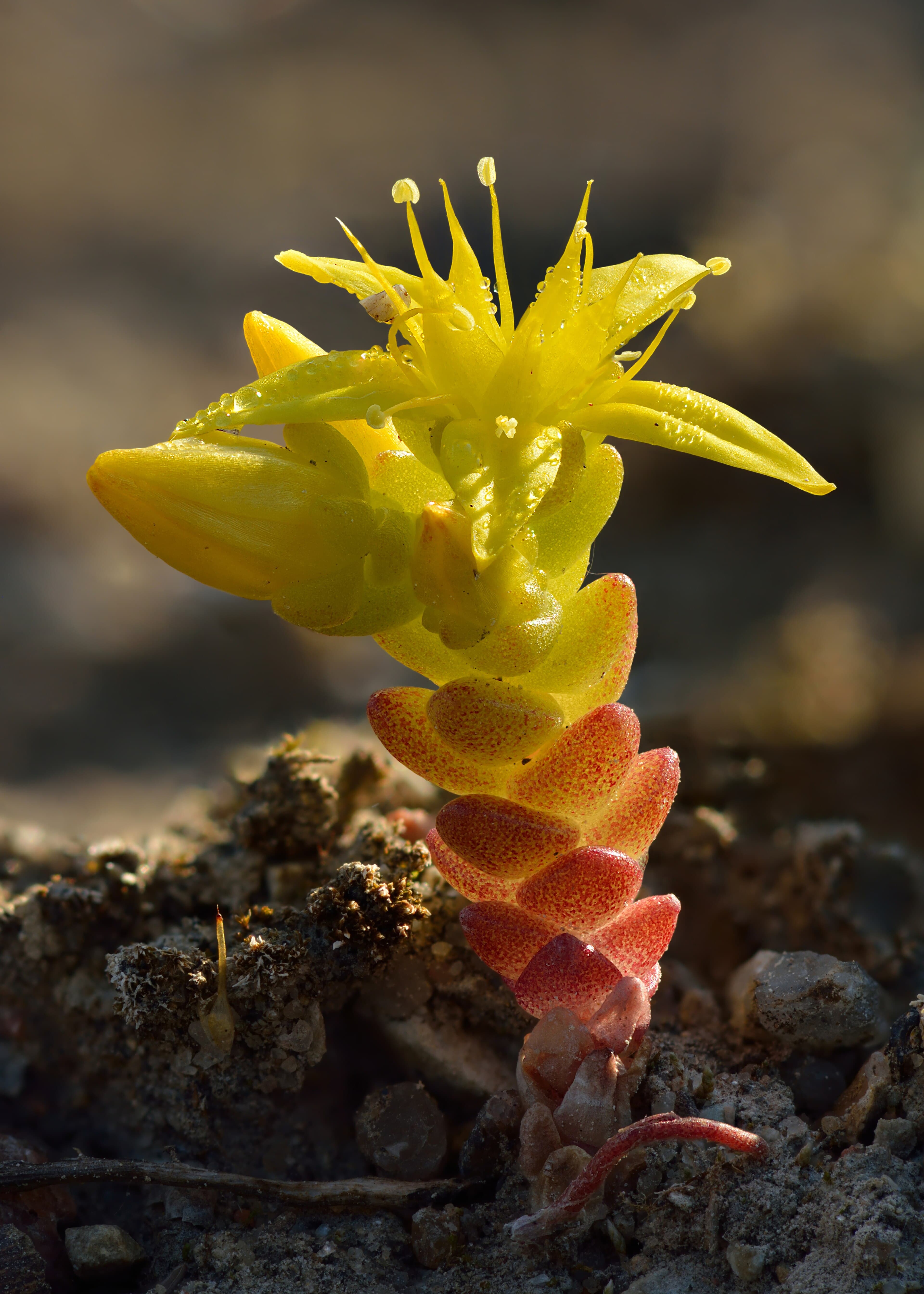
Stonecrop 'Matrona'
Sedum 'Matrona'
Dutch: Vetkruid 'Matrona'
Vetkruid 'Matrona' (Sedum 'Matrona') is a perennial from the Crassulaceae family that grows up to 70cm tall. This plant thrives in full sun to partial shade and requires low maintenance. Blooms in late summer and autumn with pink flowers and attracts bees and butterflies.
50–70 cm
40–50 cm
full sun, partial shade
low water needs
sandy soil, loam
low maintenance
late summer, autumn
pink
Ecologische waarde
Verzorgingskalender
| Taak | Jan | Feb | Mrt | Apr | Mei | Jun | Jul | Aug | Sep | Okt | Nov | Dec |
|---|---|---|---|---|---|---|---|---|---|---|---|---|
| 🌱Planten | ||||||||||||
| ✂️Snoeien | ||||||||||||
| 💧Bemesten |
Care tips
Planting
Sedum 'Matrona' thrives in full sun or partial shade, though flowering is most prolific in a sunny position. It tolerates a wide range of soils but performs best in free-draining sandy soil or loam. Avoid heavy clay or waterlogged ground, as sedums are prone to rot in overly wet conditions. If your soil is heavy, dig in plenty of grit or sharp sand before planting to improve drainage. Plant in March, April or May for spring planting, or in September and October for autumn planting. Both windows work well, though autumn planting allows roots to establish over winter. Space plants 45 cm apart to allow for their mature spread of 40–50 cm. Dig a hole slightly larger than the root ball, set the plant at the same depth it was growing in its pot, and firm the soil gently around the roots. Water in thoroughly after planting to settle the soil, but don't overdo it—sedums dislike sitting in moisture. Once established, 'Matrona' is extremely drought-tolerant thanks to its succulent leaves, which store water. A light mulch of gravel or grit around the base helps suppress weeds and improves drainage, but avoid organic mulches like bark or compost, which can hold too much moisture against the crown. No staking is needed; the sturdy, upright stems support themselves well, even when topped with heavy flower heads in late summer and autumn.
Pruning
Sedum 'Matrona' requires minimal pruning, but a once-yearly cut-back keeps plants tidy and vigorous. The best time to prune is in March or April, just as new growth begins to emerge at the base. Many gardeners leave the spent flower heads standing over winter—they look attractive rimmed with frost and provide food and shelter for insects and birds—so spring pruning fits naturally into this approach. Use secateurs or garden shears to cut back all the previous year's stems to within a few centimetres of ground level, just above the fresh shoots. The old stems will be dry and woody by spring, making them easy to remove. If you prefer a tidier winter garden, you can cut back in late autumn after flowering finishes, but you'll sacrifice the architectural interest and wildlife value of the seed heads. During the growing season, no further pruning is necessary. Deadheading is not required and won't encourage more flowers; 'Matrona' blooms once from late summer into autumn. If stems become damaged or diseased during the season, simply snip them out at the base. Occasionally, very rich soil or shade can cause stems to flop; if this happens, you can trim back by about a third in late May or early June to encourage bushier, sturdier growth, though this may delay flowering slightly. In general, though, this sedum is self-supporting and asks very little of you.
Maintenance
Sedum 'Matrona' is one of the easiest perennials you can grow, with very low water and nutrient needs. Once established, it tolerates drought exceptionally well and rarely needs watering, even in dry summers. In prolonged dry spells during the growing season, an occasional deep soak is appreciated, but avoid frequent light watering, which encourages shallow roots. In autumn and winter, natural rainfall is more than sufficient. Feed sparingly. Too much fertility produces lush, floppy growth prone to collapse. A single application of a balanced general-purpose fertiliser or a light scattering of blood, fish and bone in April or May is plenty. Alternatively, skip feeding altogether if your soil is reasonably fertile—'Matrona' performs well in lean conditions. This sedum is fully hardy across zones 3–9 and needs no winter protection in temperate Europe. Leave the flower heads standing through winter if you wish; they add structure to the garden and support wildlife. Cut back in early spring as described above. Pests are rarely a problem. Slugs and snails occasionally nibble young shoots in spring, but damage is usually minor. The main disease risk is stem rot or crown rot in poorly drained soil or during very wet winters. Ensure good drainage at planting and avoid mulching with moisture-retentive materials. If rot does occur, remove affected stems promptly and improve drainage around the plant. Otherwise, 'Matrona' is remarkably trouble-free and will reward you with years of reliable, late-season colour.
More about this plant
Combines well with
Related guides
Stonecrop 'Matrona' in your garden design?
Make a free garden design with AI advice. Our AI knows Stonecrop 'Matrona' and 130+ other plants.
Start free design