Yarrow 'Terracotta' in August: monthly care
Month-by-month care — Achillea 'Terracotta'
In August your yarrow 'Terracotta' needs attention: prune and watch the bloom.
- Prune
- Blooms
What to do this August
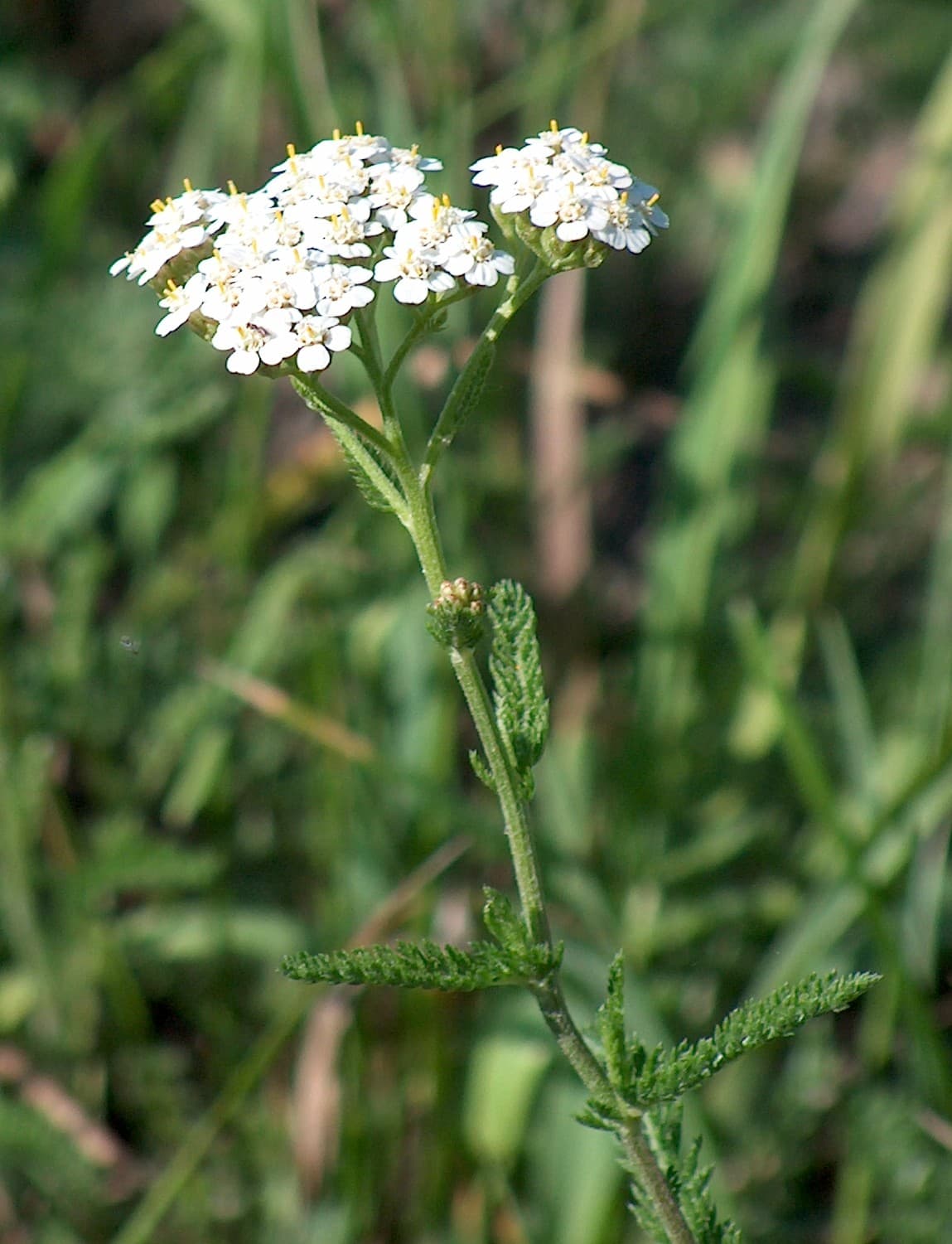
Achillea 'Terracotta' requires minimal pruning, but a couple of well-timed cuts will keep it tidy and encourage a longer flowering season. The main pruning window falls in August, after the first flush of blooms fades, and again in March as part of the spring tidy-up. Deadheading is the most useful task during the flowering period, which runs from early summer through to late summer. Once the flat flower heads turn brown and lose their colour—usually by mid to late August—cut the spent stems back to just above a set of healthy leaves or a side shoot lower down the stem. This often prompts a second, smaller flush of flowers in early autumn and prevents the plant self-seeding everywhere, which it will do enthusiastically if left to its own devices. In March, before new growth emerges, cut back all the old stems to ground level. Use clean, sharp secateurs or garden shears. The dried stems and seed heads can look attractive through winter, especially when rimed with frost, so many gardeners leave them standing until late winter both for structure and to provide seed for birds. If you prefer a neater look or the stems have collapsed and turned mushy, you can cut back earlier in late autumn, but waiting until March protects the crown from excess winter wet. Yarrow clumps can become congested and flower less freely after three or four years. If this happens, lift and divide the clump in March or April, replanting only the vigorous outer sections and discarding the woody centre.
Once established, Achillea 'Terracotta' is one of the easiest perennials you can grow, with low water and nutrient needs. Water new plants regularly through their first summer, but after that irrigation is rarely necessary except during prolonged drought. Yarrow's deep taproot seeks out moisture, and overwatering or poorly drained soil causes root rot and encourages mildew. In a typical British summer, rainfall is usually sufficient. Feed sparingly. Too much fertiliser, especially nitrogen, produces lush foliage at the expense of flowers and makes stems flop. A single application of a balanced general-purpose granular fertiliser in April or May is plenty—scatter a light handful around the base of each clump and water in if the soil is dry. On fertile soils you can skip feeding altogether. Avoid high-nitrogen lawn feeds or fresh manure. Achillea is fully hardy to zone 3, so overwintering in temperate Europe presents no difficulty. Leave the old stems standing through winter if you wish, or cut back in March as described. No protective mulch or covering is needed. The main enemy is winter wet rather than cold, so ensure drainage remains good. Powdery mildew can appear as a white coating on leaves during humid weather or if plants are crowded or stressed. Improve air circulation by thinning congested clumps and avoid overhead watering. Aphids occasionally cluster on young shoots in spring; a strong jet of water usually dislodges them, or tolerate low numbers as they attract beneficial insects. Slugs and snails generally leave the aromatic foliage alone. Overall, 'Terracotta' is a robust, trouble-free plant that rewards neglect better than fussing.