Yarrow 'Terracotta' in March: monthly care
Month-by-month care — Achillea 'Terracotta'
In March your yarrow 'Terracotta' needs attention: plant / sow and prune.
- Plant / sow
- Prune
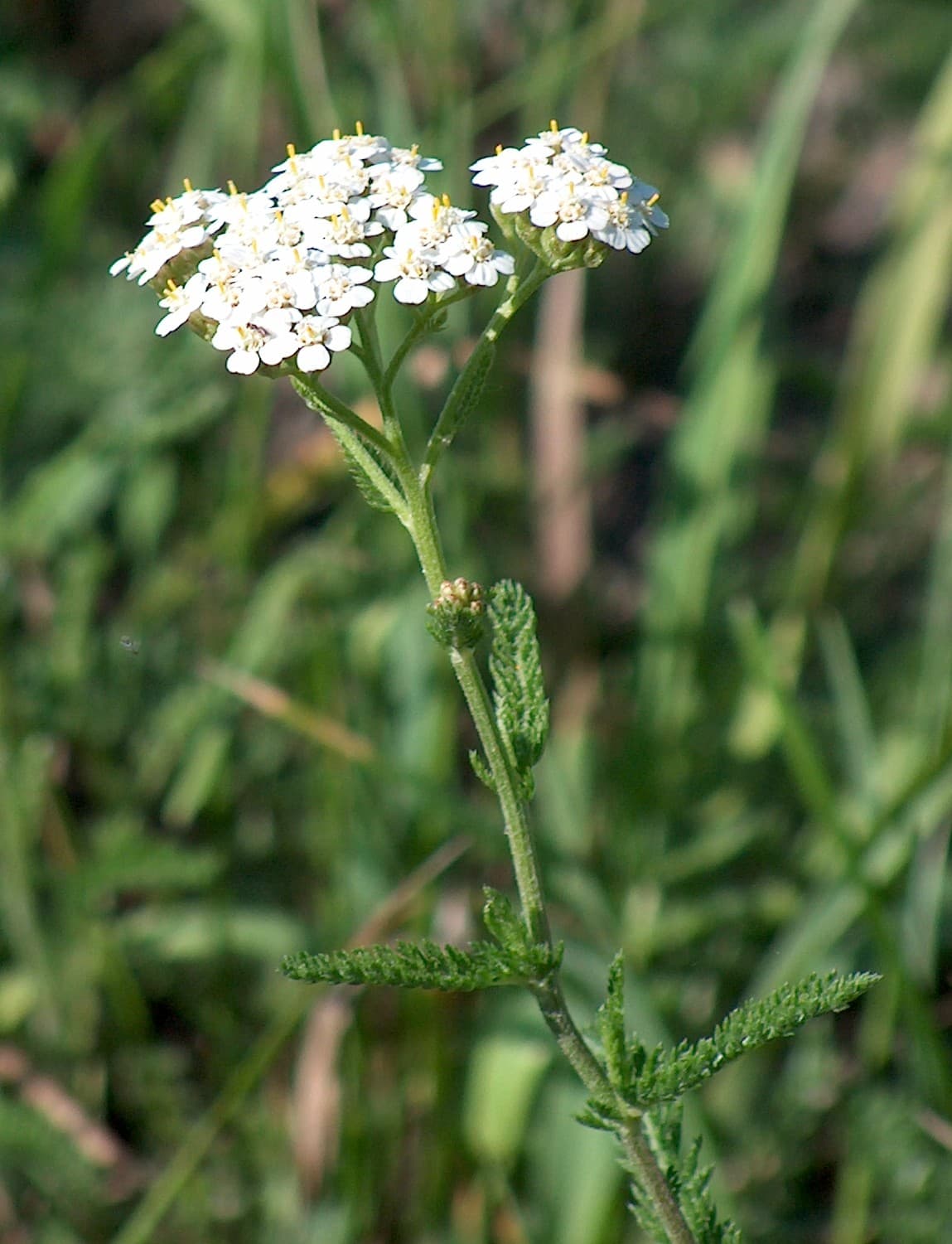
What to do this March
Achillea 'Terracotta' thrives in full sun and well-drained soil, making it ideal for hot, dry borders and gravel gardens. It tolerates sandy, loamy, and chalky soils but will sulk in heavy clay or anywhere waterlogged. Choose an open position where it receives at least six hours of direct sunlight daily; shade leads to weak, floppy stems and fewer flowers. Plant between March and May or in September and October. Spring planting gives the roots a full growing season to establish, while autumn planting works well if your soil drains freely and doesn't sit wet over winter. Prepare the site by removing weeds and digging in a little grit or sharp sand if your soil is heavy; yarrows hate sitting in moisture. No need to add compost or manure—'Terracotta' actually flowers better in lean, poor soil. Dig a hole slightly wider than the root ball and set the plant so the crown sits level with the surrounding soil surface. Space plants 45 cm apart to allow good air circulation and room for the clumps to spread. Backfill with the excavated soil, firm gently with your hands, and water in thoroughly to settle roots and eliminate air pockets. After planting, water regularly for the first six to eight weeks until you see strong new growth. Once established, yarrow is remarkably drought-tolerant and needs little attention. A 5 cm layer of gravel or grit mulch around the base helps suppress weeds and improves drainage, but keep mulch clear of the crown to prevent rot. Staking is rarely necessary if the plant is grown in full sun and not overfed.
Achillea 'Terracotta' requires minimal pruning, but a couple of well-timed cuts will keep it tidy and encourage a longer flowering season. The main pruning window falls in August, after the first flush of blooms fades, and again in March as part of the spring tidy-up. Deadheading is the most useful task during the flowering period, which runs from early summer through to late summer. Once the flat flower heads turn brown and lose their colour—usually by mid to late August—cut the spent stems back to just above a set of healthy leaves or a side shoot lower down the stem. This often prompts a second, smaller flush of flowers in early autumn and prevents the plant self-seeding everywhere, which it will do enthusiastically if left to its own devices. In March, before new growth emerges, cut back all the old stems to ground level. Use clean, sharp secateurs or garden shears. The dried stems and seed heads can look attractive through winter, especially when rimed with frost, so many gardeners leave them standing until late winter both for structure and to provide seed for birds. If you prefer a neater look or the stems have collapsed and turned mushy, you can cut back earlier in late autumn, but waiting until March protects the crown from excess winter wet. Yarrow clumps can become congested and flower less freely after three or four years. If this happens, lift and divide the clump in March or April, replanting only the vigorous outer sections and discarding the woody centre.