Harvesting Yarrow
When and how — Achillea millefolium
Harvest yarrow in June, July and August — the main harvest usually falls in July.
The next harvest is June next year.
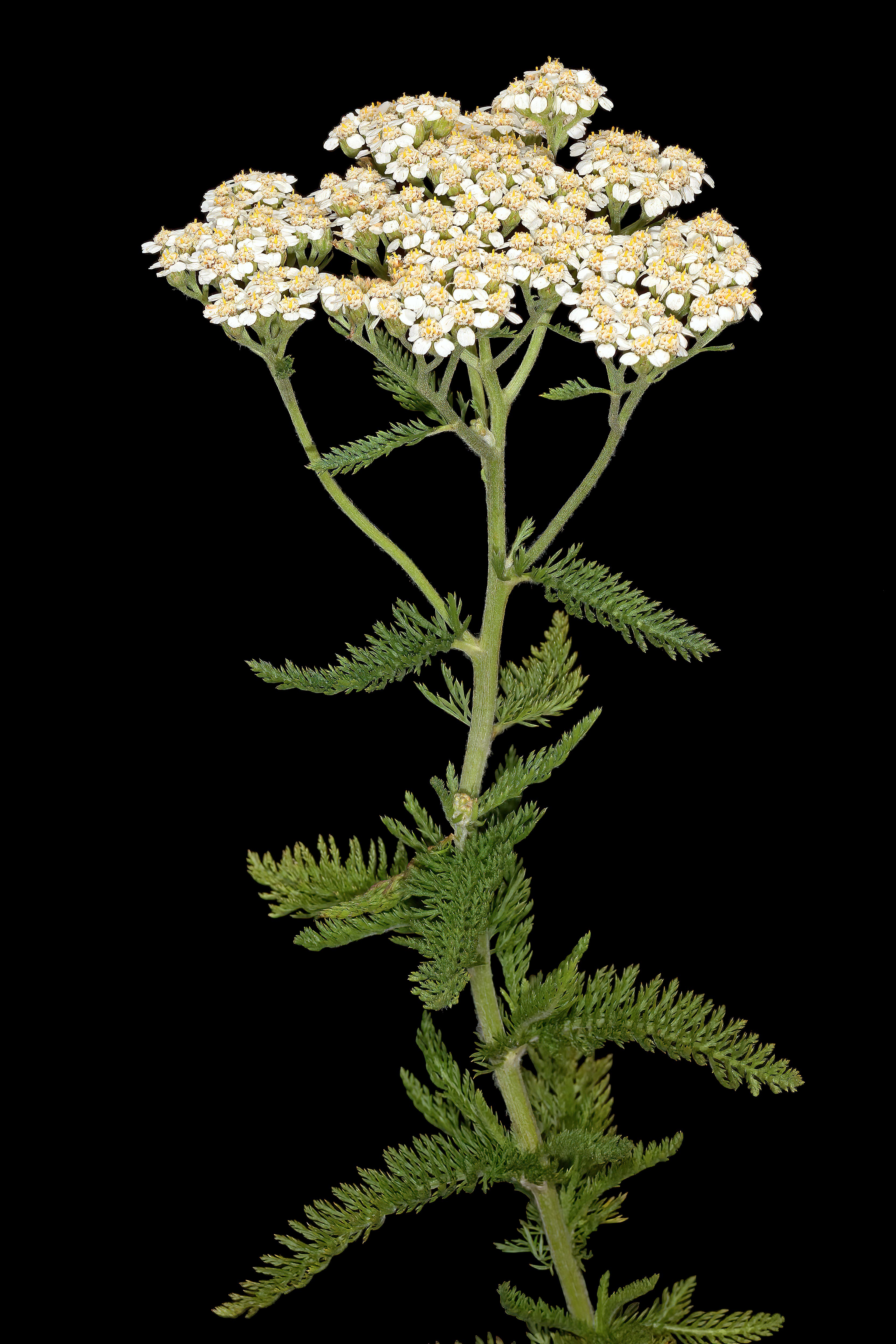
How to harvest yarrow
Yarrow is a low-maintenance perennial that tolerates neglect once established. Its water needs are low; in fact, overwatering or rich, moist soil often causes weak, floppy stems. Water new plants during dry spells in their first season, but after that, rainfall is usually sufficient. In prolonged summer drought, an occasional deep soak is appreciated, but yarrow copes admirably without it. Feeding should be minimal. In April or May, scatter a light dressing of general-purpose granular fertiliser (such as blood, fish and bone) around the base of the plant, or skip feeding altogether if your soil is reasonably fertile. Too much nitrogen results in lush foliage that flops and is prone to mildew. Yarrow evolved on poor soils and doesn't need pampering. Overwintering is straightforward. Yarrow is fully hardy down to zone 3, so it sails through British and Irish winters without protection. Cut back dead stems in late autumn or early spring, and the plant will reshoot reliably from the base. No mulching or covering is necessary. Pests rarely trouble yarrow—it's actually known for attracting beneficial insects like hoverflies and ladybirds. The main issue to watch for is powdery mildew, which can appear as a white, dusty coating on leaves in humid or crowded conditions, especially in late summer. Improve air circulation by thinning congested clumps every three to four years: lift and divide plants in spring or autumn, replanting only the vigorous outer sections. Good spacing and avoiding overhead watering also help prevent mildew. Otherwise, yarrow looks after itself with minimal fuss.


