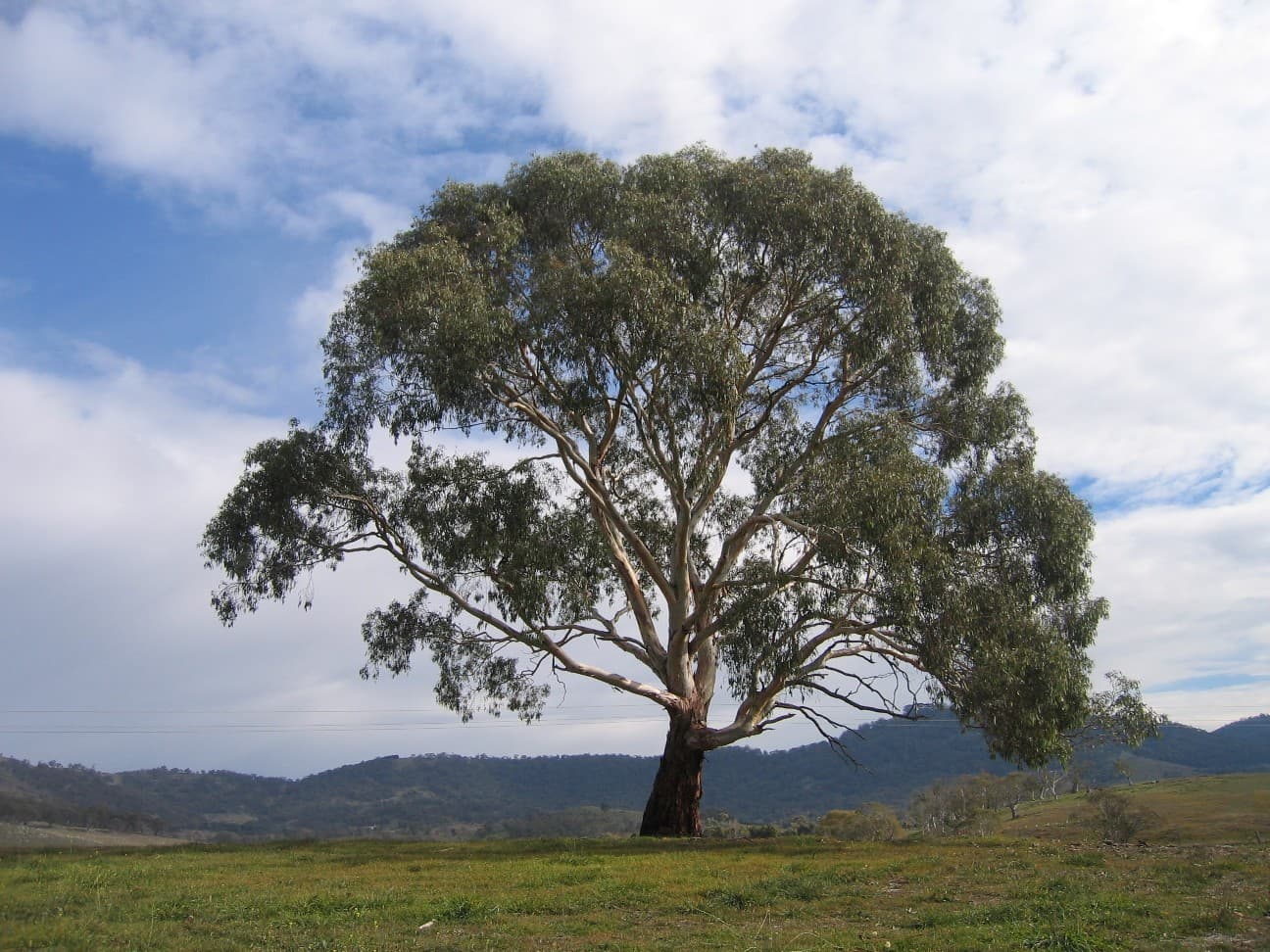
Eucalyptus
Eucalyptus gunnii
Not winter-hardy
Eucalyptus doesn't survive Dutch winters outdoors. Grow it as a patio/container plant: outside in summer, then overwinter frost-free (indoors or a cool, light space). It also does well as a houseplant.
Eucalyptus (Eucalyptus gunnii) is a evergreen shrub from the Myrtaceae family that grows up to 500cm tall. This plant thrives in full sun and requires low maintenance. Blooms in summer with white flowers and attracts bees.
100–500 cm
100–300 cm
full sun
moderate
loam, sandy soil
low maintenance
summer
white
Ecologische waarde
Verzorgingskalender
| Taak | Jan | Feb | Mrt | Apr | Mei | Jun | Jul | Aug | Sep | Okt | Nov | Dec |
|---|---|---|---|---|---|---|---|---|---|---|---|---|
| 🌱Planten | ||||||||||||
| ✂️Snoeien | ||||||||||||
| 💧Bemesten |
Care tips
Planting
Eucalyptus gunnii thrives in full sun and needs a sheltered, warm position outdoors during the growing season. Because it is not reliably winter-hardy in most of temperate Europe, grow it in a large container rather than planting it in open ground. Choose a pot at least 40–50 cm in diameter with excellent drainage holes; terracotta is ideal as it allows the roots to breathe. Use a loam-based or soil-based compost mixed with sharp sand or grit to improve drainage—eucalyptus will not tolerate waterlogged roots. A mix of two parts loam-based compost (such as John Innes No. 3) to one part horticultural grit works well. Fill the pot to within a few centimetres of the rim, firm the compost gently, and plant your eucalyptus so the root ball sits at the same depth it was growing in its nursery pot. Avoid burying the stem. The best time to plant is in May or June, once the risk of late frosts has passed and temperatures are reliably mild. After planting, water thoroughly to settle the compost around the roots, then allow the surface to dry slightly before watering again. Place the container in the sunniest, most sheltered spot you have—against a south-facing wall is ideal. Eucalyptus grows quickly and can become top-heavy, so consider staking young plants with a sturdy cane to prevent wind damage. A light mulch of gravel or bark on the compost surface helps retain moisture and keeps the root zone cool. Avoid planting in heavy clay or poorly drained soil, even in containers, as this will lead to root rot.
Pruning
Prune eucalyptus in March or April, just as new growth begins but before the main flush of spring foliage. Pruning at this time encourages a bushy, compact shape and stimulates the attractive juvenile foliage that many gardeners prize for its rounded, silvery-blue leaves. If left unpruned, Eucalyptus gunnii will develop into a tall, open tree with less ornamental adult foliage. For a shrubby patio specimen, hard prune annually by cutting all the previous year's growth back to within a few centimetres of the main framework or even down to a low stump (a technique called coppicing or stooling). This keeps the plant compact, manageable in a container, and covered in the desirable juvenile leaves. Use clean, sharp secateurs or a pruning saw for thicker stems. Make cuts just above a bud or node, angling the cut slightly to shed water. If you prefer a small tree shape, prune more selectively: remove any weak, crossing, or damaged stems, and thin out crowded growth to maintain an open structure. Shorten vigorous shoots by about one-third to keep the canopy balanced. Eucalyptus tolerates hard pruning remarkably well and will regenerate vigorously from old wood. Throughout the growing season, remove any dead, damaged, or frosted shoots as soon as you notice them. If your plant has overwintered indoors and suffered some dieback, wait until April to assess the damage and prune back to healthy, green wood. Always wear gloves, as the aromatic oils can irritate sensitive skin, and clean your tools with disinfectant between cuts to prevent disease spread.
Maintenance
Water eucalyptus moderately during the growing season, allowing the top few centimetres of compost to dry out between waterings. In hot summer weather, container-grown plants may need watering two or three times a week; check regularly by feeling the compost. Overwatering is a common mistake—eucalyptus prefers slightly dry conditions to constantly moist soil. In autumn, reduce watering frequency as growth slows. Feed in April and again in June with a balanced liquid fertiliser or a slow-release granular feed designed for shrubs. Avoid high-nitrogen feeds, which promote soft, sappy growth vulnerable to frost and pests. A controlled-release fertiliser applied in spring will support steady growth through summer without the need for frequent feeding. Overwintering is critical. Before the first frosts in October or November, move your eucalyptus into a frost-free greenhouse, conservatory, or bright porch where temperatures stay above freezing but ideally remain cool (3–10°C). A cold but frost-free environment encourages dormancy and prevents leggy growth. Water sparingly over winter—just enough to prevent the compost drying out completely. Return the plant outdoors in late April or May, once frosts have finished, hardening it off gradually over a week or two. Eucalyptus gunnii is generally pest- and disease-free, but watch for silver leaf fungus (prune out affected branches promptly) and occasional eucalyptus gall wasp, which causes lumpy growths on stems; prune out and destroy infested material. In very dry conditions, red spider mite may appear; mist the foliage occasionally to deter them. Refresh the top layer of compost annually and repot every two to three years in spring to prevent the plant becoming root-bound.
Buy this plant
Eucalyptus — geurige, zilvergroene plant
Browse the range at PlantcentraalPlantcentraal is our own webshop.
More about this plant
Combines well with
Related guides
Eucalyptus in your garden design?
Make a free garden design with AI advice. Our AI knows Eucalyptus and 130+ other plants.
Start free design