Harvesting Cowslip
When and how — Primula veris
Harvest cowslip in April and May — the main harvest usually falls in May.
The next harvest is April next year.
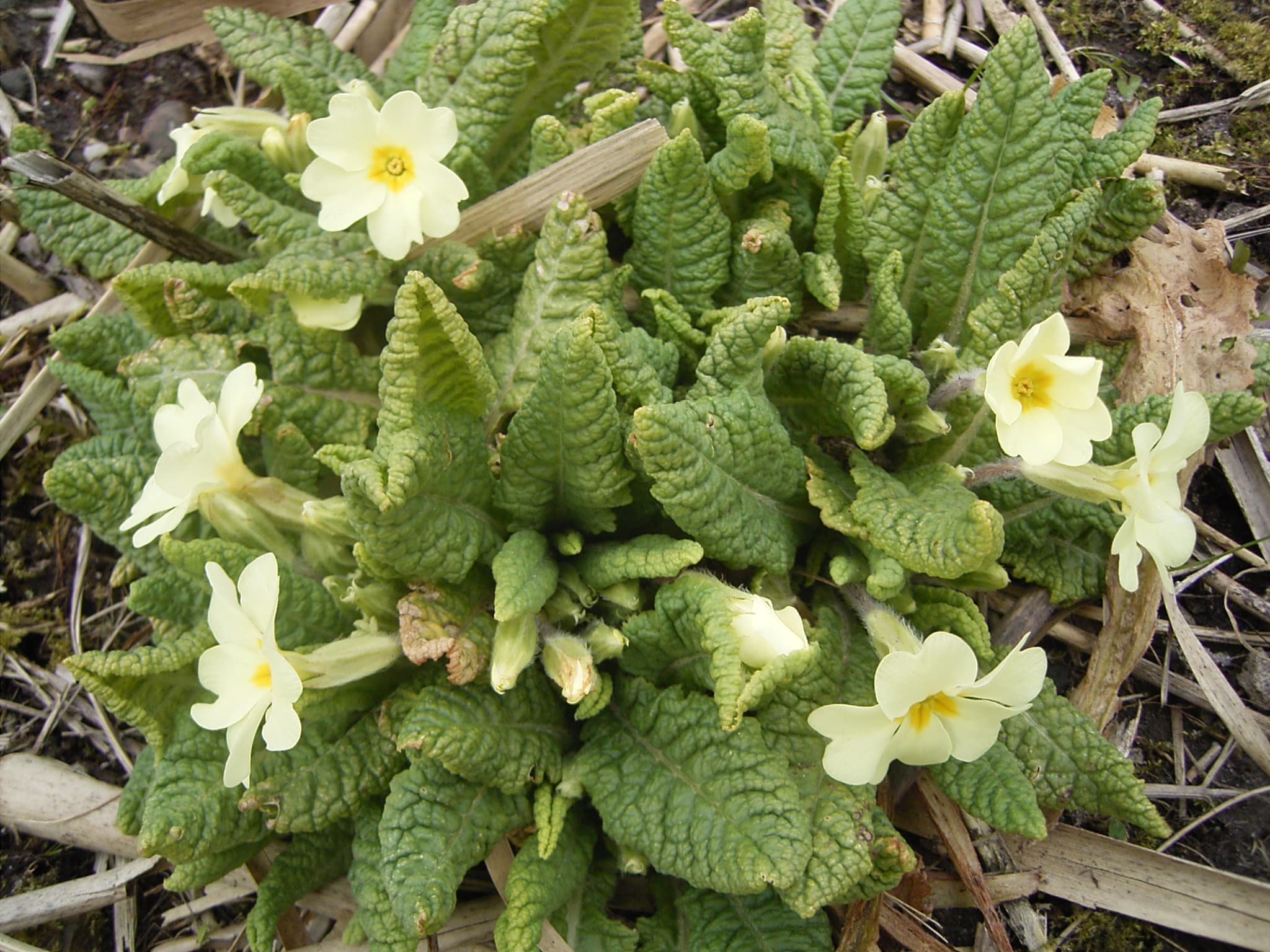
How to harvest cowslip
Cowslips have moderate water needs. Water regularly during dry spells in spring and summer, especially while they are flowering or if planted in full sun. The soil should stay evenly moist but never sodden; good drainage is essential. In autumn and winter, natural rainfall is usually sufficient, and established plants are quite drought-tolerant once dormant. Feed lightly in March or April as new growth emerges. A handful of general-purpose granular fertiliser such as blood, fish and bone, scattered around each plant and watered in, is plenty. Alternatively, apply a thin mulch of garden compost or leaf mould, which feeds the soil gently and mimics the cowslip's natural woodland-edge habitat. Avoid high-nitrogen feeds, which promote lush foliage at the expense of flowers. Cowslips are fully hardy (zone 4–8) and need no special protection in winter. The foliage rosette persists through cold weather, so leave it intact. A light mulch around the plants in late autumn helps insulate roots in exposed gardens, but this is optional. Pests are rarely a problem. Slugs and snails may nibble young leaves in spring; use organic pellets, barriers, or hand-picking if damage is severe. Vine weevil larvae occasionally attack the roots of pot-grown plants, so check containers in autumn and spring. Diseases are uncommon, though root rot can occur in poorly drained soil—ensure good drainage at planting time to avoid this. Cowslips are low-maintenance once settled and will often self-seed gently, forming charming drifts over time.


