Caring for Hosta 'June'
Complete guide — Hosta 'June'
hosta 'June' needs low maintenance, a position in partial shade or full shade on loam / clay soil and moderate.
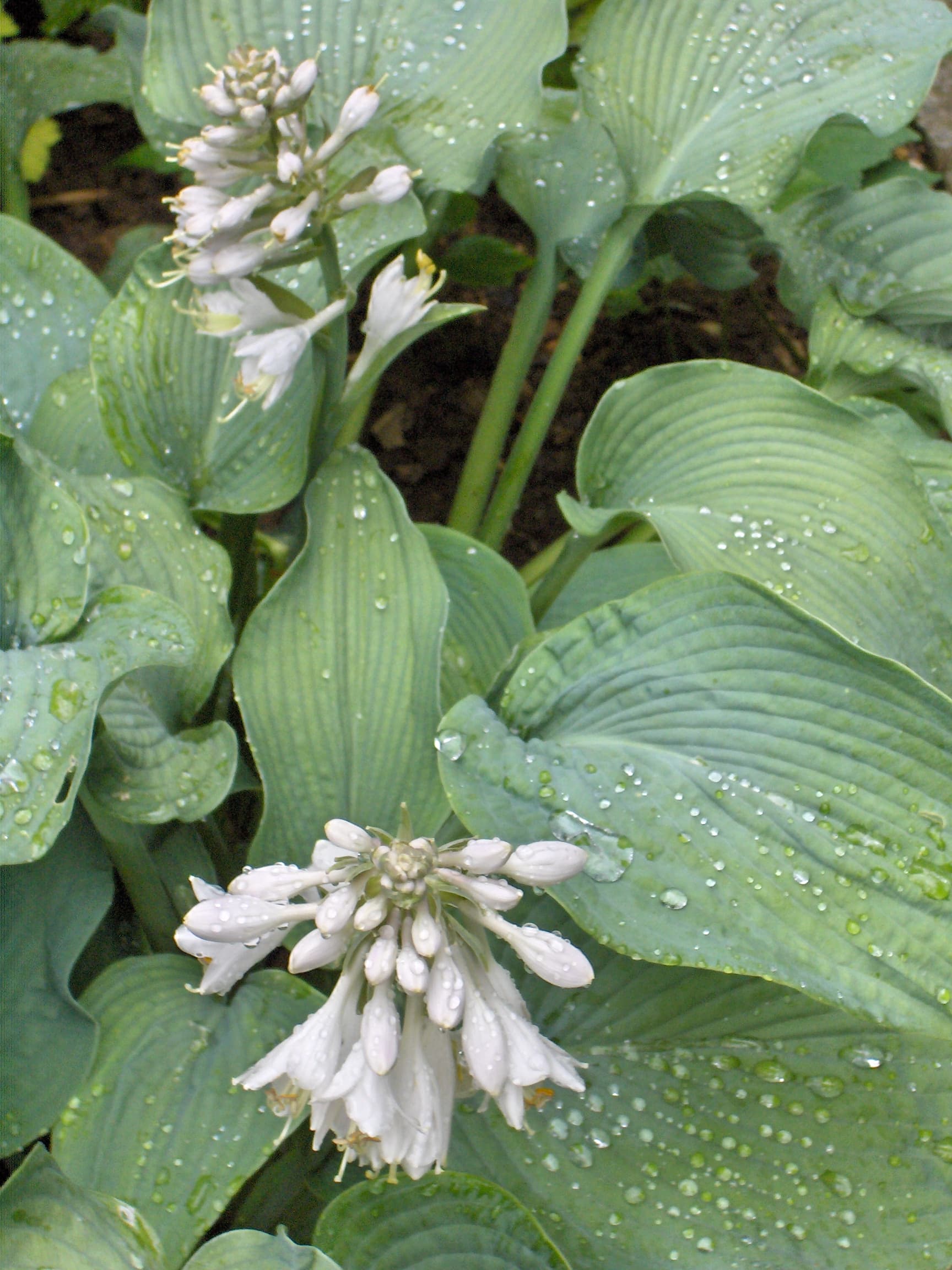
Position
partial shade, full shade
loam, clay soil
moderate
Feeding
Feed in April, May and June.
Year-round care
Hosta 'June' has moderate water needs and performs best when the soil remains consistently moist, particularly during spring and summer when foliage is actively growing. Water deeply once or twice a week in dry spells, soaking the root zone rather than wetting the leaves, which can encourage fungal issues. In autumn and winter, natural rainfall is usually sufficient. Mulching annually in spring with a 5 cm layer of compost or well-rotted manure helps retain moisture, suppress weeds, and gradually improves soil fertility. Feed in April, May, and June to support the lush foliage display. A balanced slow-release granular fertiliser scattered around the base of the plant in early April works well, or apply a liquid feed every three to four weeks during the growing season. Avoid high-nitrogen feeds late in summer, as this encourages soft growth vulnerable to frost damage. Hosta 'June' is fully hardy in zones 3–9 and requires no winter protection in temperate Europe. The foliage dies back completely after the first frosts, and the plant remains dormant until mid- to late spring. Be patient—hostas are often the last perennials to emerge, sometimes not showing new shoots until late April or even May. The main pest problem is slugs and snails, which can shred young foliage overnight. Use organic slug pellets, beer traps, or copper tape around the crown in early spring when shoots first appear. Inspect regularly in damp weather. Vine weevil larvae occasionally attack the roots; if the plant suddenly wilts despite moist soil, check for grubs in the root ball. Hostas are otherwise disease-resistant and require minimal intervention once established, making them an excellent low-maintenance choice for shady gardens.


