When to plant Japanese primrose?
Best month and method — Primula japonica
Plant your japanese primrose in March, April, September and October — the optimal month is usually September.
You're in the planting season right now — a good moment to start.
Spacing
30 cm
≈ 11 plants
For an X m² border, calculate: X × 11 plants.
Step by step: plant japanese primrose
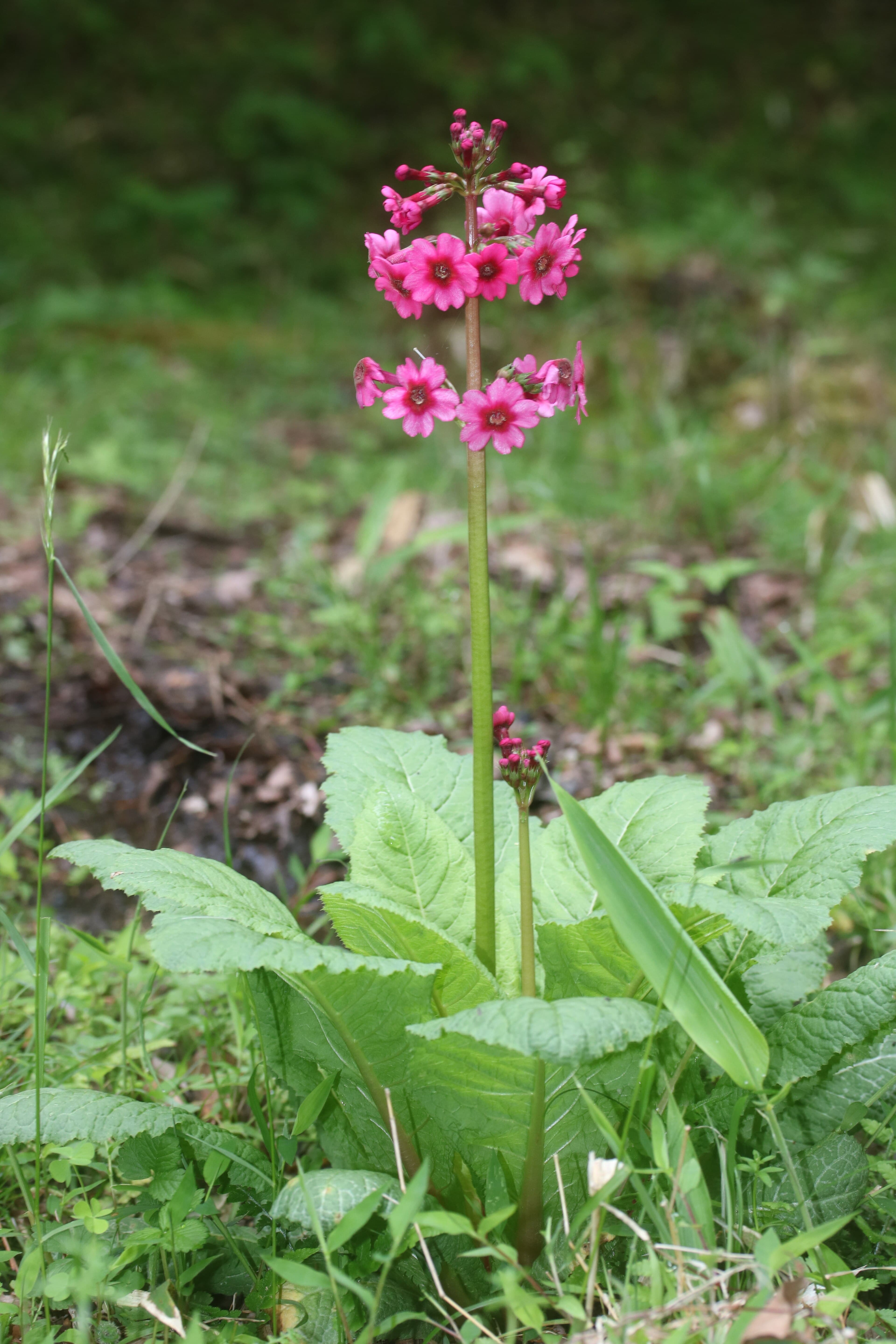
Japanese primrose (Primula japonica) thrives in cool, damp conditions and is ideal for bog gardens, pond margins, or any reliably moist spot in partial to full shade. Plant in March, April, September, or October when the soil is workable and temperatures are moderate. Autumn planting allows roots to establish before winter, while spring planting suits areas with heavy clay that stays cold and wet. Choose a position sheltered from hot afternoon sun, which can scorch the foliage and dry out the soil too quickly. The soil should be moisture-retentive and rich in organic matter—loam, clay, or peat-based soils are all suitable. Before planting, dig in plenty of well-rotted compost or leaf mould to improve structure and water-holding capacity, especially if your soil is on the lighter side. Space plants 30 cm apart to allow for their eventual spread of 25–35 cm. Dig a hole slightly larger than the root ball and plant at the same depth the primrose was growing in its pot; the crown should sit just at soil level, not buried. Firm the soil gently around the roots to eliminate air pockets. Water thoroughly immediately after planting, even if the soil already feels damp. Japanese primrose will not tolerate drying out, particularly in the first few weeks as roots establish. Apply a 5 cm layer of organic mulch such as leaf mould or composted bark around (but not touching) the crown to help retain moisture and suppress weeds. Keep the soil consistently moist throughout the first growing season, checking regularly during any dry spells.


