Harvesting Pak choi
When and how — Brassica rapa
Harvest pak choi in June, July, September and October — the main harvest usually falls in September.
You're in the harvest season right now — check weekly for ripeness.
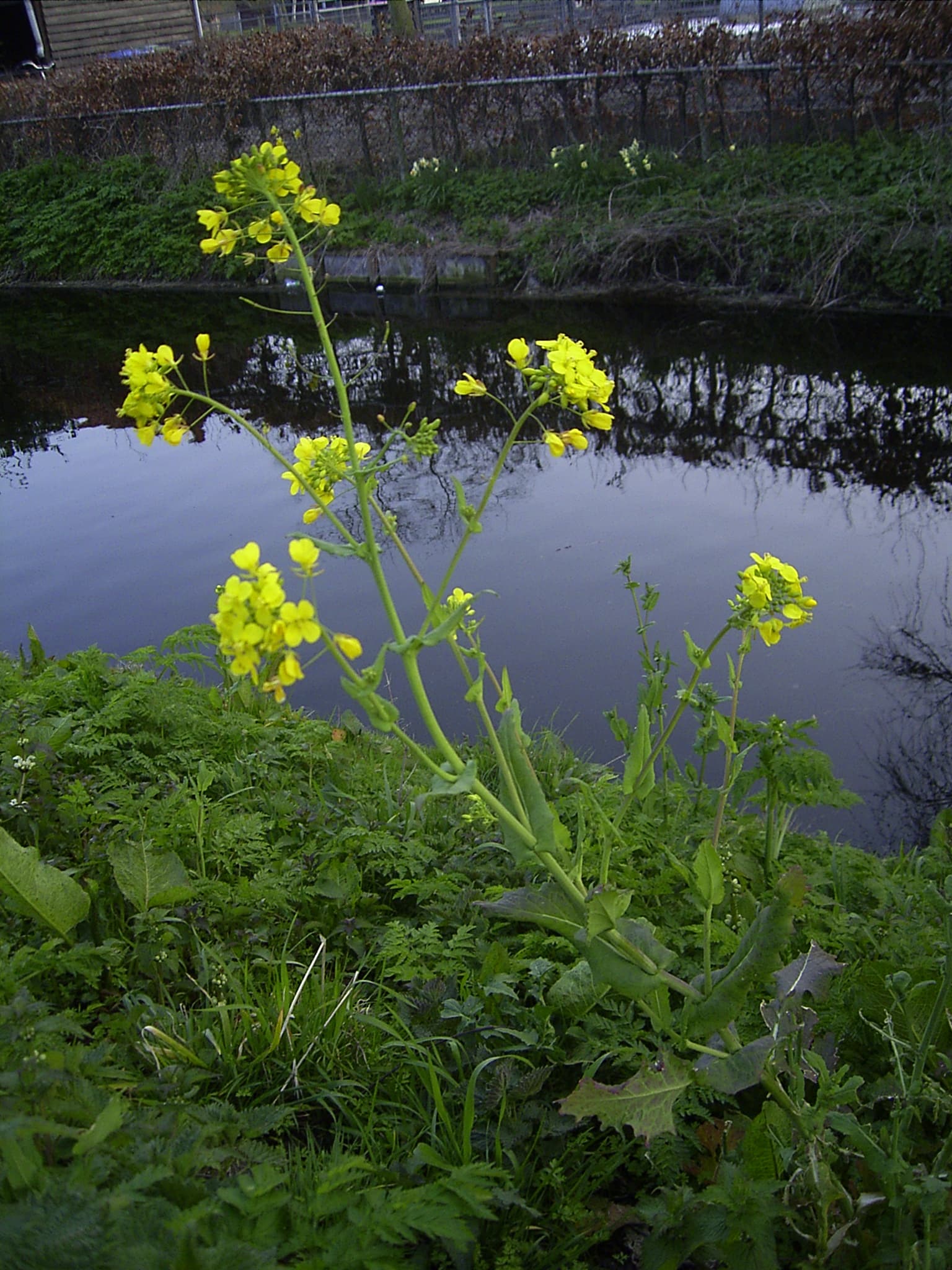
How to harvest pak choi
Pak choi has high water needs and consistent moisture is the single most important factor for success. Water regularly throughout the growing season—in dry spells you may need to water every day or every other day, especially on light soils. The goal is to keep the soil evenly moist but not waterlogged. Inconsistent watering leads to bolting, poor leaf development, and increased susceptibility to pests. Feeding is generally not required if you have prepared the soil well with compost or manure before planting. Pak choi grows quickly—often ready to harvest in six to eight weeks—so it draws on the nutrients already in the soil. If growth seems slow or leaves look pale, you can apply a balanced liquid feed (such as a general vegetable fertiliser) once or twice during the growing period, but avoid high-nitrogen feeds late in the season as they can encourage soft, pest-prone growth. Pak choi is a brassica and shares the family's common pests. Flea beetles are the main problem, especially on young plants in spring and summer; they chew tiny holes in leaves. Cover crops with fine insect mesh immediately after sowing or planting to exclude them. Slugs and snails can also devastate seedlings, so use barriers, traps, or organic pellets. Caterpillars of cabbage white butterflies may appear from late spring onwards—check undersides of leaves regularly and remove eggs and larvae by hand, or keep plants netted. Pak choi is hardy to zone 4 and will tolerate light frosts, which can actually improve flavour. Autumn-sown crops often stand well into October. No special overwintering is needed. Mulch lightly around plants to conserve moisture and suppress weeds, but avoid smothering the rosette.


