Caring for Sneezeweed
Complete guide — Helenium
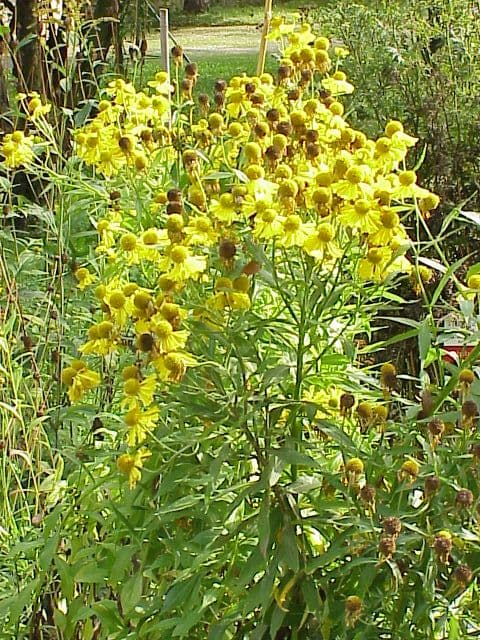
sneezeweed needs low maintenance, a position in full sun or partial shade on loam / clay soil and high water needs.
Position
full sun, partial shade
loam, clay soil
high water needs
Feeding
Feed in March, April and May.
Year-round care
Helenium has high water needs and performs poorly in dry soil. Water regularly throughout the growing season, especially during dry spells in late spring and summer when the plant is building up to its late-summer flowering peak. In clay or loam soils that retain moisture well, weekly deep watering is usually sufficient, but in warm, dry weather you may need to water two or three times a week. Mulching helps considerably by conserving soil moisture. Feed helenium in early spring to support vigorous growth and abundant flowering. In March, apply a general-purpose granular fertiliser such as blood, fish and bone or a balanced NPK feed (e.g. 10-10-10) around the base of the clump, following packet rates. A second, lighter feed in April or early May can be beneficial, particularly on poorer soils. Avoid high-nitrogen feeds later in the season, as these promote soft, leafy growth at the expense of flowers. Helenium is fully hardy in zones 4–8 and requires no special winter protection in temperate Europe. The crown will survive frosts and re-emerge reliably each spring. Mulch around the base in autumn with compost or well-rotted manure to insulate roots and improve soil structure. Common problems include powdery mildew, particularly in dry conditions or where air circulation is poor; ensure adequate watering and avoid overcrowding. Slugs and snails may damage young shoots in spring—use organic pellets, barriers or hand-picking as needed. Aphids occasionally cluster on stems and buds in early summer; a strong jet of water or insecticidal soap usually resolves the issue. Overall, helenium is a robust, low-maintenance perennial that rewards consistent moisture and an annual spring feed with months of vibrant late-season colour.


