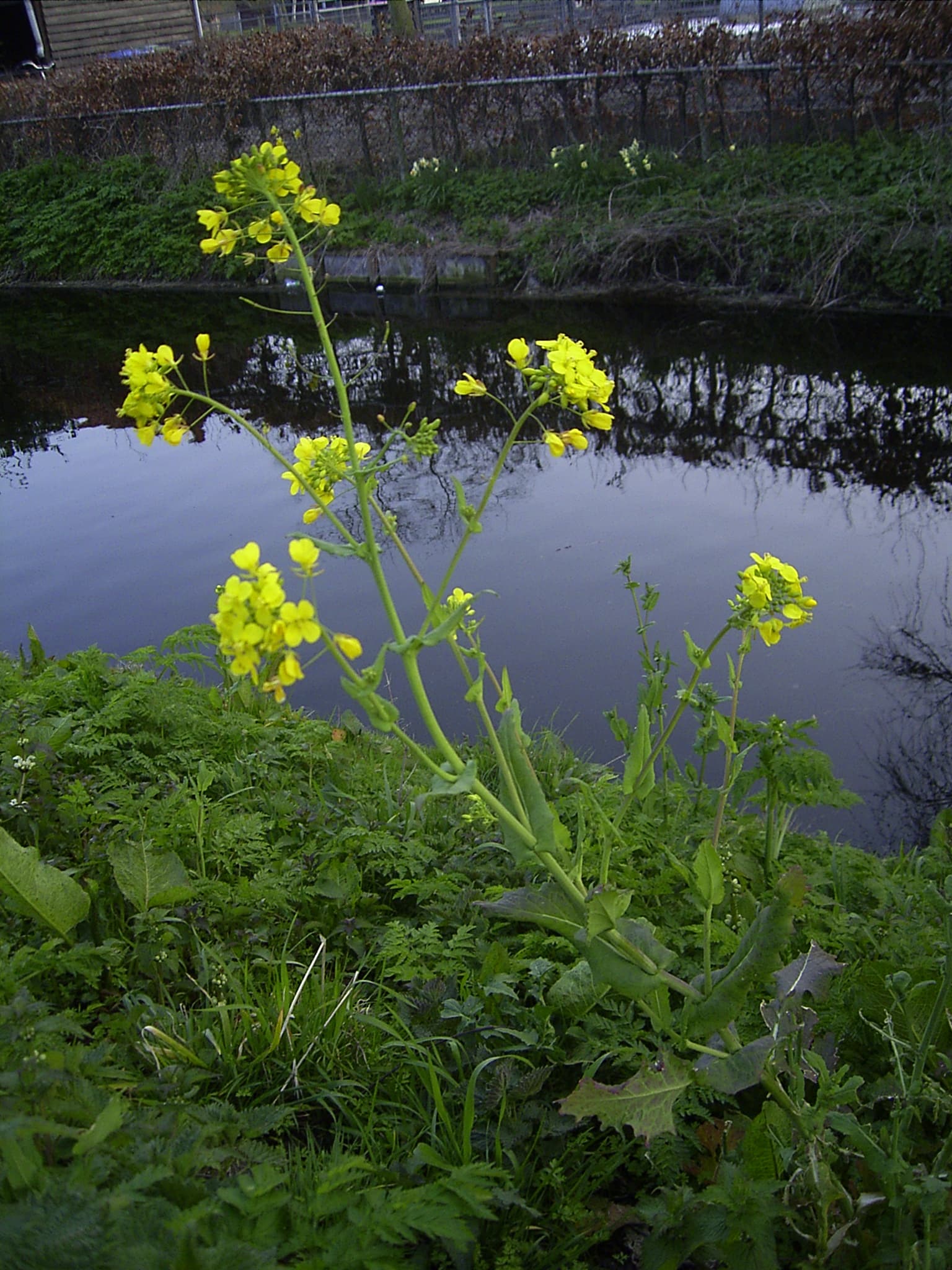
Pak choi
Brassica rapa
Pak choi (Brassica rapa) is a edible vegetable from the Brassicaceae family that grows up to 30cm tall. This plant thrives in full sun to partial shade and requires low maintenance.
15–30 cm
20–30 cm
full sun, partial shade
high water needs
loam
low maintenance
Verzorgingskalender
| Taak | Jan | Feb | Mrt | Apr | Mei | Jun | Jul | Aug | Sep | Okt | Nov | Dec |
|---|---|---|---|---|---|---|---|---|---|---|---|---|
| 🌱Planten | ||||||||||||
| 🍎Oogsten |
Care tips
Planting
Pak choi thrives in full sun or partial shade and prefers a fertile, moisture-retentive loam soil. Before sowing or planting, dig in plenty of well-rotted compost or manure to improve soil structure and water-holding capacity—this brassica is a fast grower and needs consistent moisture and nutrients from the start. The soil pH should ideally be neutral to slightly alkaline (around 6.5–7.5). You can sow pak choi directly outdoors or start it in modules for transplanting. For a spring crop, sow in April or May once the soil has warmed; for an autumn harvest, sow in July or August. Direct sowing works well: make shallow drills about 1 cm deep and sow seeds thinly, then thin seedlings to a final spacing of 25 cm between plants. If you're transplanting from modules, plant out at the same 25 cm spacing when seedlings have three or four true leaves. Pak choi is prone to bolting in long, hot days, so the July and August sowings often perform better than late spring ones, maturing in the cooler conditions of early autumn. Avoid sowing in the height of summer unless you can provide shade and ample water. Immediately after sowing or planting, water thoroughly to settle the soil around roots or seeds. Keep the bed consistently moist in the days that follow—pak choi has high water needs and any check in growth from dryness will reduce quality. A light mulch of compost around young plants helps retain moisture and suppress weeds, but keep it clear of the stems to avoid rot.
Pruning
Pak choi does not require pruning in the traditional sense. As a fast-growing leafy vegetable, it is harvested whole or leaf by leaf rather than pruned back to encourage new growth. There are no specific pruning months listed for this crop, and you won't need secateurs or shears. What does need attention is the removal of any damaged, yellowing, or slug-damaged outer leaves as the plant grows. Check your pak choi every few days and pull off any tatty foliage at the base—this keeps the plant tidy, improves air circulation around the remaining leaves, and reduces the risk of fungal problems in damp weather. It also makes the final harvest cleaner. If your pak choi begins to bolt—sending up a flowering stem, usually in response to heat or drought stress—you can pinch out the flower spike as soon as you spot it. This may buy you a week or two of usable leaves, but once bolting starts the leaves often turn bitter and tough, so it's usually better to harvest the whole plant promptly and sow a replacement. For a continuous harvest rather than a single cut, you can pick individual outer leaves once the plant reaches about 10–15 cm tall, leaving the growing heart intact. This "cut-and-come-again" approach works well if you sow little and often. Take no more than a third of the leaves at a time to keep the plant vigorous. In summary, pak choi care is about timely harvesting and tidying rather than pruning. Keep an eye out for bolting and damage, and harvest before the plant passes its best.
Maintenance
Pak choi has high water needs and consistent moisture is the single most important factor for success. Water regularly throughout the growing season—in dry spells you may need to water every day or every other day, especially on light soils. The goal is to keep the soil evenly moist but not waterlogged. Inconsistent watering leads to bolting, poor leaf development, and increased susceptibility to pests. Feeding is generally not required if you have prepared the soil well with compost or manure before planting. Pak choi grows quickly—often ready to harvest in six to eight weeks—so it draws on the nutrients already in the soil. If growth seems slow or leaves look pale, you can apply a balanced liquid feed (such as a general vegetable fertiliser) once or twice during the growing period, but avoid high-nitrogen feeds late in the season as they can encourage soft, pest-prone growth. Pak choi is a brassica and shares the family's common pests. Flea beetles are the main problem, especially on young plants in spring and summer; they chew tiny holes in leaves. Cover crops with fine insect mesh immediately after sowing or planting to exclude them. Slugs and snails can also devastate seedlings, so use barriers, traps, or organic pellets. Caterpillars of cabbage white butterflies may appear from late spring onwards—check undersides of leaves regularly and remove eggs and larvae by hand, or keep plants netted. Pak choi is hardy to zone 4 and will tolerate light frosts, which can actually improve flavour. Autumn-sown crops often stand well into October. No special overwintering is needed. Mulch lightly around plants to conserve moisture and suppress weeds, but avoid smothering the rosette.
More about this plant
Combines well with
Related guides
Pak choi in your garden design?
Make a free garden design with AI advice. Our AI knows Pak choi and 130+ other plants.
Start free design